

The Science Explained Simply: Mold Inspection Insights for Homes in South Florida
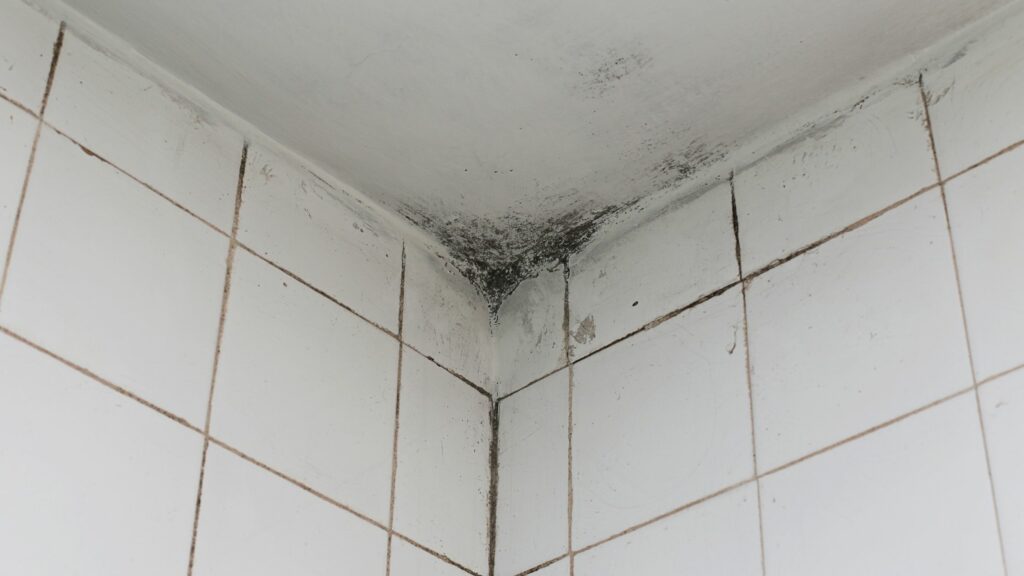
If you live in South Florida, mold isn’t some rare, unlucky problem—it’s a very real, very common issue tied directly to our climate. Heat, humidity, afternoon storms, and tightly sealed homes create the perfect environment for mold to grow quietly behind walls, under flooring, and inside HVAC systems. And here’s the tricky part: by the time you see mold, it’s usually been there for a while.
Let’s break down the science of mold inspection in plain English, without scare tactics or technical overload—just clear, useful insight you can actually apply to your home.
Why Mold Thrives So Easily in South Florida Homes
South Florida homes face conditions mold absolutely loves. Warm air holds more moisture, and when that moisture gets trapped indoors, mold spores take advantage.
Common local contributors include:
- High year-round humidity
- Frequent rain and tropical storms
- Poor ventilation in bathrooms and laundry areas
- Air conditioning systems running almost nonstop
- Older homes with hidden plumbing leaks
Cities like Fort Lauderdale, Hollywood, Plantation, Davie, Sunrise, Coral Springs, and Pompano Beach all deal with the same underlying problem: moisture never really leaves—it just moves around.
What Mold Actually Is (And What It Isn’t)
Mold is a type of fungus that spreads through microscopic spores floating in the air. These spores exist everywhere—inside and outside your home. Mold only becomes a problem when those spores land on a damp surface and start growing.
Important thing to know:
Mold doesn’t need standing water. Even elevated humidity levels alone can trigger growth over time.
That’s why South Florida homes can develop mold without any obvious flooding or major leaks.
What a Mold Inspection Really Looks For
A professional mold inspection isn’t just someone “looking for black spots.” It’s a process designed to find conditions that allow mold to exist, even if it’s hidden.
Moisture Comes First—Always
Mold inspectors focus heavily on moisture because mold follows water, every time.
Inspections typically evaluate:
- Humidity levels inside the home
- Moisture behind walls or under floors
- HVAC condensation issues
- Roof, window, or plumbing intrusion points
If moisture is present, mold usually isn’t far behind.
Air Sampling: What You’re Breathing Matters
Air samples compare indoor air quality to outdoor air. Since mold spores exist naturally outside, inspectors look for imbalances—higher concentrations indoors that suggest active growth.
This step helps identify mold even when you can’t see it.
Surface Testing When Needed
If visible growth exists, inspectors may collect surface samples to identify the type of mold present. This helps determine whether the issue is minor or requires professional remediation.
Why You Can’t Rely on Smell Alone
That musty odor? It’s a red flag—but it’s not the whole story.
Some mold produces strong smells. Other types don’t smell at all. Homes with central AC systems can circulate spores without obvious odor buildup in one location.
In other words, no smell doesn’t mean no mold.
How HVAC Systems Play a Major Role
In South Florida, your air conditioner runs most of the year—and that matters.
AC systems:
- Pull moisture from the air
- Create condensation
- Distribute air throughout the home
If ductwork, coils, or drain lines aren’t maintained, moisture buildup can occur inside the system. That turns the HVAC system into a distribution network for mold spores.
This is especially common in Fort Lauderdale and coastal areas where salt air and humidity accelerate wear.
Health Concerns Linked to Mold Exposure
Not everyone reacts the same way to mold, but common symptoms include:
- Persistent coughing or sneezing
- Sinus congestion
- Headaches
- Eye or throat irritation
- Fatigue
People with asthma, allergies, compromised immune systems, children, and older adults often experience symptoms more quickly.
Here’s the frustrating part: many people assume they’re dealing with seasonal allergies when the real issue is indoor air quality.
Why DIY Mold Tests Often Miss the Problem
Store-bought mold kits sound convenient, but they usually tell you only one thing: mold spores exist. That’s not helpful in South Florida, where spores are always present.
What they don’t tell you:
- Where mold is growing
- Whether levels are abnormal
- What’s causing the growth
- How to fix the underlying moisture issue
A proper inspection focuses on causes, not just confirmation.
When a Mold Inspection Makes Sense
You should strongly consider a mold inspection if:
- Your home smells musty but looks clean
- You’ve had past water leaks or roof issues
- You recently purchased a home
- Occupants experience unexplained allergy symptoms
- Your AC system shows signs of moisture buildup
In South Florida, inspections are as much preventative as they are diagnostic.
Why Mold Problems Keep Coming Back Without Proper Insight
Many homeowners clean visible mold only to see it return weeks later. That happens because the moisture source never got addressed.
A proper mold inspection identifies:
- Where moisture enters
- How it spreads
- What needs correction to prevent recurrence
Without that information, mold becomes a recurring cycle.
Final Thoughts
Mold inspections in South Florida aren’t about panic—they’re about understanding how your home interacts with its environment. Heat, humidity, and modern construction create challenges that require informed solutions, not guesswork.
Knowing the science behind mold helps homeowners make smarter decisions, protect indoor air quality, and avoid long-term damage.
If you suspect mold in your South Florida home or simply want peace of mind, professional mold inspection services can provide clarity before small issues turn into expensive problems. Help is available across Fort Lauderdale and Broward County, with expert guidance designed to protect both your home and your health.
