
Health Effects of Long-Term Mold Exposure – Lessons From Real Inspections for Homes in Davie
Mold doesn’t always announce itself with dramatic black spots or overpowering smells. In many Davie homes, mold works quietly in the background, slowly affecting the people living there without making a big scene. That’s what makes long-term mold exposure so tricky—and honestly, so frustrating.
During real inspections, we’ve seen homeowners chase health answers for months before realizing mold plays a role. Headaches, allergies, fatigue, breathing issues—it all feels disconnected until the full picture comes together. Let’s talk about what long-term mold exposure actually does to the body and what inspections inside Davie homes consistently reveal.
Long-Term Mold Exposure Works Slowly, Not Loudly
Most people expect mold-related health problems to feel immediate and obvious. That rarely happens. Long-term exposure usually builds quietly over time.
Homeowners often report:
- Persistent sinus congestion that never fully clears
- Chronic coughing or throat irritation
- Frequent headaches or unexplained fatigue
Ever notice symptoms improve when you leave home for a weekend? That pattern shows up more often than people realize.
What Mold Does to Indoor Air Over Time
Breathing Mold Becomes a Daily Habit
Mold releases spores and microscopic fragments into the air continuously. In homes with hidden mold, residents breathe these particles every day.
Over time, this can lead to:
- Increased allergy sensitivity
- Irritated airways and nasal passages
- Reduced indoor air quality
The scary part isn’t one bad day. It’s months or years of exposure without knowing it’s happening.
What Real Mold Inspections in Davie Reveal
Mold Almost Never Stays Where You Expect
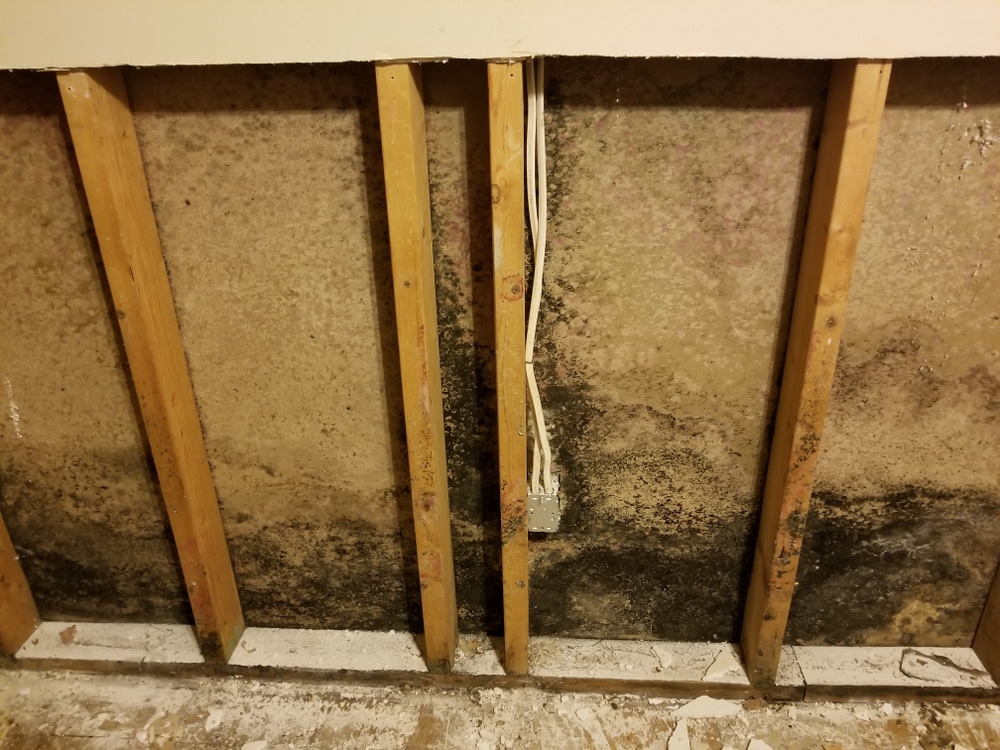
During inspections in Davie homes, mold rarely sits out in the open. It prefers hidden, undisturbed areas where moisture sticks around.
We commonly find:
- Mold behind bathroom and kitchen walls
- Growth inside HVAC systems and return vents
- Mold above ceilings or inside insulation
Homeowners feel symptoms long before they ever see visible mold.
Why Symptoms Often Feel “Unrelated”
Long-term mold exposure doesn’t affect everyone the same way. That makes it confusing and easy to dismiss.
Some people experience:
- Brain fog or trouble concentrating
- Increased asthma flare-ups
- Skin irritation or eye discomfort
Others feel only mild fatigue at first. That difference delays action and allows mold exposure to continue.
HVAC Systems Turn Mold Into a Whole-House Issue
Mold Doesn’t Stay in One Room
In Davie homes, air conditioning systems run most of the year. When mold grows inside ducts or air handlers, airflow spreads spores throughout the home.
We often see:
- Symptoms affecting multiple family members
- Mold showing up in rooms far from the original source
- Continued exposure even after visible mold gets cleaned
Cleaning walls doesn’t help if the air keeps circulating mold particles.
Children and Seniors Show Symptoms First
During inspections, a pattern appears again and again. Kids and older adults often feel the effects before anyone else.
Long-term mold exposure impacts:
- Children with developing immune systems
- Seniors with respiratory sensitivities
- People with asthma or allergies
When one person in the home struggles more than others, mold exposure often explains why.
Why Davie Homes Face Higher Mold Risks
Davie homes deal with conditions that mold absolutely loves. High humidity never really takes a break, and AC systems work overtime.
Common contributing factors include:
- Constant indoor moisture
- Older construction materials in some neighborhoods
- Condensation buildup inside walls and ductwork
That environment allows mold to grow quietly while impacting health day after day.
Mold Exposure and Chronic Sinus Issues
One of the most common complaints we hear involves sinus problems that never seem to go away. Antibiotics help temporarily, then symptoms return.
Long-term mold exposure can:
- Irritate sinus tissue constantly
- Trigger recurring infections
- Increase pressure and headaches
When mold gets removed properly, many homeowners notice real improvement.
Fatigue and Brain Fog Often Get Overlooked
Not all mold-related health effects feel physical. Mental exhaustion and focus issues show up frequently during inspections.
Homeowners describe:
- Feeling tired despite sleeping well
- Trouble concentrating at home
- Energy improving when away from the house
That mental drain often ties directly to breathing poor-quality indoor air.
Why DIY Cleaning Doesn’t Reduce Health Risks
DIY cleaning focuses on appearance. Health risks remain when hidden mold stays active.
Surface cleaning usually:
- Leaves mold behind walls untouched
- Ignores mold inside HVAC systems
- Fails to stop airborne spores
Without addressing moisture and hidden growth, exposure continues even if the home looks clean.
What Proper Mold Remediation Changes
Real mold remediation focuses on health, not just visuals. The goal is to stop exposure completely.
Proper remediation includes:
- Removing active mold growth
- Eliminating moisture sources
- Cleaning and protecting HVAC systems
- Preventing mold from returning
When mold stops circulating through the air, people often feel the difference surprisingly fast.
Lessons From Real Inspections in Davie Homes
From real inspections, one lesson stands out clearly. Long-term mold exposure often explains health issues that never made sense before.
Symptoms don’t always scream “mold.” They whisper. And those whispers get louder the longer exposure continues.
Final Thoughts: Health Symptoms Often Point Back to the Home
Long-term mold exposure doesn’t feel urgent until it suddenly becomes unavoidable. In Davie homes, we’ve seen how often lingering health problems trace back to hidden mold growth and poor indoor air quality.
If symptoms stick around and answers feel incomplete, it’s worth asking a simple question:
Could mold be affecting the air you breathe every single day?
That question alone changes everything.
