
Lessons From Real Inspections: HVAC Mold Insights for Homes in North Lauderdale
HVAC mold never starts with a dramatic warning. No alarms. No flashing lights. It usually starts with a faint smell, dusty vents, or rooms that never quite feel “fresh.” In North Lauderdale homes, we see this story unfold constantly, and most homeowners have no idea their HVAC system plays a role.
During real inspections, HVAC systems tell us everything. They reveal where moisture hides, how mold spreads, and why cleaning walls alone never solves the problem. Let’s walk through what we consistently find inside North Lauderdale homes and why HVAC mold causes so many repeat issues.
HVAC Systems Create the Perfect Mold Environment
Air conditioning systems in North Lauderdale work hard almost all year. That nonstop operation creates condensation, and condensation creates moisture.
Inside HVAC systems, we often find:
- Moisture buildup on coils and drain pans
- Condensation forming inside ductwork
- Warm, dark spaces mold loves
Mold doesn’t need much. Give it moisture and airflow, and it settles in fast.
Why Mold Loves Ductwork So Much
Airflow Helps Mold Travel
Ductwork doesn’t just move air. It moves whatever lives inside it. When mold grows inside ducts, it doesn’t stay put.
During inspections, we see:
- Mold spores traveling room to room
- Growth appearing far from the original source
- Mold spreading faster after AC use increases
Ever notice mold popping up in multiple rooms? That’s usually the HVAC system spreading it quietly.
What We Actually Find Inside North Lauderdale HVAC Systems
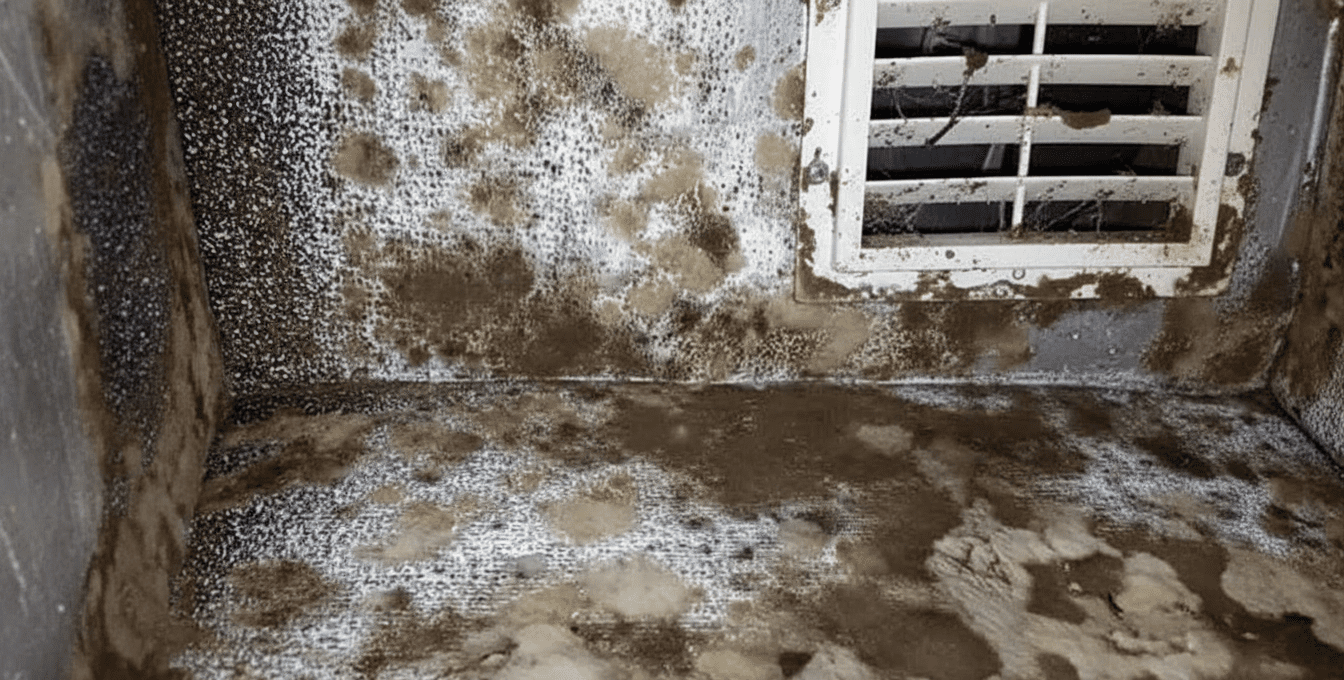
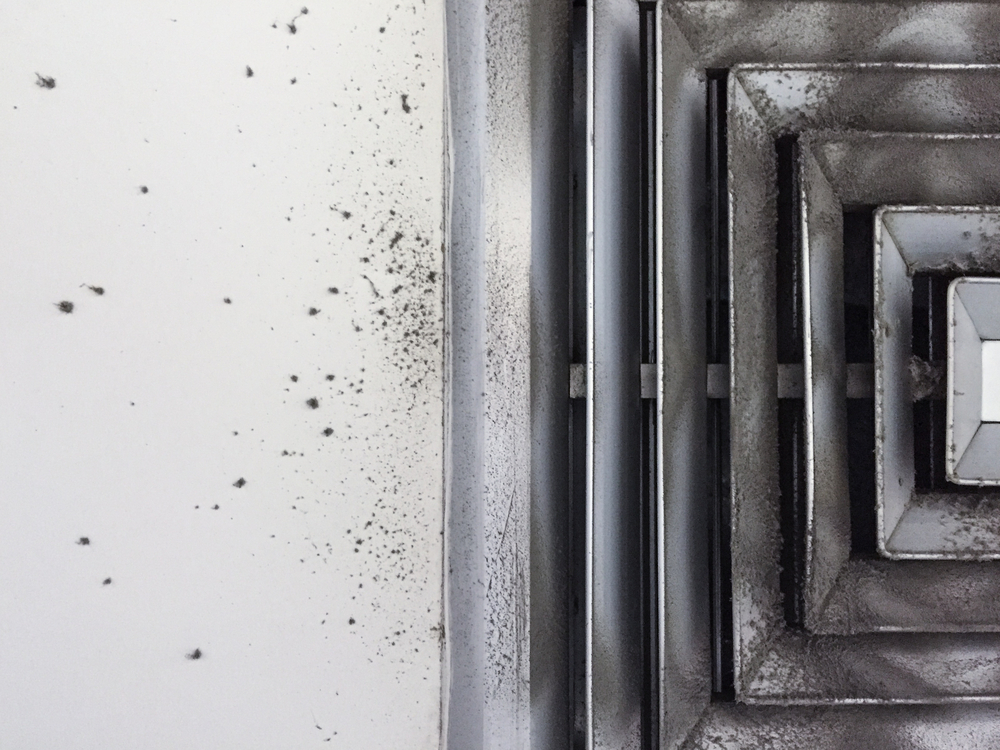
HVAC mold rarely looks dramatic at first glance. It often blends in with dust and debris.
Common discoveries include:
- Mold lining the interior of supply ducts
- Growth near return vents pulling humid air inside
- Mold around air handlers and blower compartments
Homeowners clean vents and filters, but mold keeps thriving deeper inside.
Condensation Is the Real Villain
Moisture Fuels Everything
In North Lauderdale, high humidity never really takes a break. HVAC systems constantly pull moist air inside, and condensation forms naturally.
Problems start when:
- Drain lines clog
- Insulation fails
- Airflow drops
That moisture sticks around, and mold moves in without resistance.
Dirty Filters Don’t Cause Mold, But They Help It
Filters don’t create mold, but they absolutely make things worse when neglected.
We often see:
- Restricted airflow causing excess condensation
- Dust buildup feeding mold growth
- Moist filters becoming breeding grounds
Changing filters helps, but it doesn’t solve mold already growing inside the system.
Why DIY Vent Cleaning Misses the Problem
Homeowners often clean vent covers and feel accomplished. The system looks better, but the mold problem continues.
DIY vent cleaning:
- Reaches only visible surfaces
- Leaves mold inside ducts untouched
- Ignores moisture issues completely
Ever clean vents just to smell mold again days later? That’s why.
HVAC Mold Affects Indoor Air Quality First
Before mold shows up on walls, it often shows up in the air. HVAC systems circulate mold spores nonstop once growth begins.
We frequently hear about:
- Musty smells when AC turns on
- Increased allergy symptoms indoors
- Headaches or fatigue that improve outside
Those clues often point straight to HVAC mold.
Why North Lauderdale Homes Face Higher HVAC Mold Risks
North Lauderdale homes share several mold-friendly traits:
- High humidity year-round
- Heavy AC usage
- Older duct systems in some neighborhoods
- Limited ventilation in certain layouts
That combination creates ideal conditions for HVAC mold to grow quietly and spread efficiently.
Mold Doesn’t Stay Confined to the HVAC System
Once mold establishes itself in an HVAC system, it rarely stays contained.
During inspections, we see:
- Mold forming near vents on walls and ceilings
- Spores settling on furniture and surfaces
- Growth appearing after cleaning other areas
The HVAC system becomes the delivery system, not just the source.
Why HVAC Mold Keeps Coming Back After Cleaning
Many homeowners clean visible mold and feel hopeful. Then it returns. HVAC mold explains why.
If the HVAC system still contains mold:
- Spores continue circulating
- New growth forms repeatedly
- Cleaning efforts feel pointless
Until the system gets addressed, mold never fully leaves the home.
What Proper HVAC Mold Remediation Looks Like
Effective remediation goes far beyond surface cleaning. It focuses on stopping mold at the source.
Proper remediation includes:
- Cleaning and treating affected HVAC components
- Removing mold-contaminated materials
- Correcting moisture and condensation issues
- Improving airflow and humidity control
When HVAC mold gets handled correctly, recurring problems finally stop.
Lessons We Learn From Real Inspections
After countless inspections in North Lauderdale homes, one lesson stands out clearly. HVAC systems often drive mold problems more than any other factor.
Mold doesn’t always start on walls. It often starts in the air system, spreads quietly, and shows itself later.
Final Thoughts: HVAC Mold Explains the Pattern
If mold keeps appearing no matter how often you clean, the HVAC system deserves a closer look. Real inspections in North Lauderdale homes prove this again and again.
HVAC mold doesn’t announce itself. It spreads silently, affects air quality, and creates repeat problems that frustrate homeowners.
So here’s the real takeaway:
If mold keeps coming back, it’s probably riding the air you breathe every day.
