
Practical Advice From Experts: Mold Remediation Insights for Homes in Florida
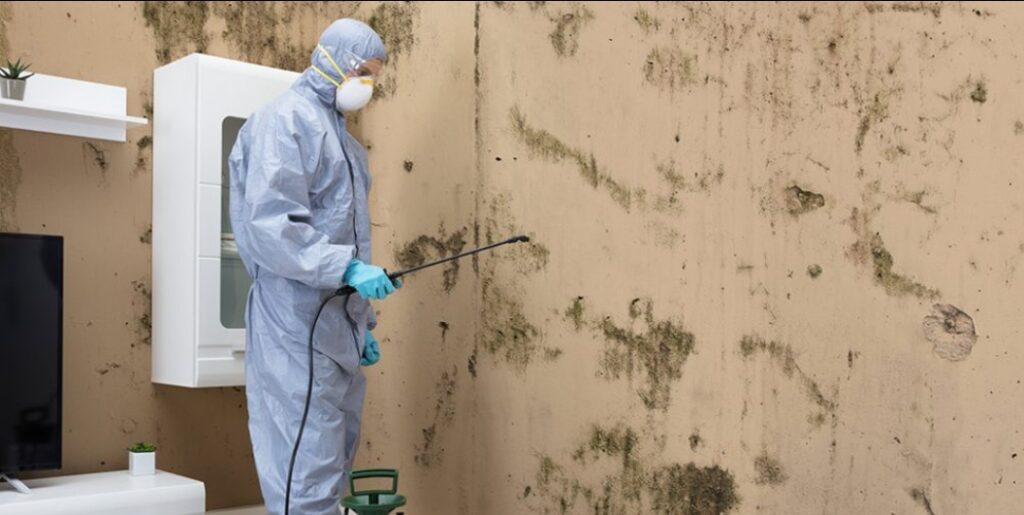
Mold remediation in Florida is a whole different animal. What works up north often fails miserably here—and that’s something homeowners usually learn the hard way.
After years of inspecting and remediating homes across Florida, experts see the same mistakes over and over again. The good news? Most of them are avoidable if you know what to look for before mold takes over.
Here’s the practical, real-world advice professionals give Florida homeowners every day.
Insight #1: Mold Is a Moisture Problem First
This is the number-one rule experts agree on.
Mold doesn’t appear randomly. In Florida homes, it almost always starts with:
- High indoor humidity
- Small, ongoing leaks
- AC-related moisture issues
- Poor ventilation
If moisture isn’t controlled, mold remediation is just a temporary cleanup—not a solution.
Insight #2: Surface Mold Is Rarely the Full Story
What you see is usually the smallest part of the problem.
Experts frequently find mold:
- Behind drywall
- Inside wall cavities
- Under flooring and baseboards
- In attics and AC closets
Cleaning visible mold without investigating further often leaves active growth hidden inside the structure.
Insight #3: Florida AC Systems Can Make or Break Mold Control
In Florida, air conditioning isn’t just about comfort—it’s about humidity control.
Common expert findings include:
- Oversized AC units that cool too fast but don’t dehumidify
- Clogged condensate lines backing moisture into walls
- Leaking air handlers in closets
- Sweating ductwork in hot attics
When indoor humidity stays high, mold conditions never fully disappear.
Insight #4: Attics Are One of the Biggest Mold Risks
Many homeowners never think to check the attic until there’s a major problem.
Experts regularly find:
- Roof leaks that never stained ceilings
- Mold on roof decking and trusses
- Moisture trapped by poor ventilation
- Wet insulation from duct condensation
Because attics circulate air through the home, mold there can impact indoor air quality without being visible.
Insight #5: Painting Over Mold Makes Things Worse
Fresh paint can hide mold—but it doesn’t stop it.
Professionals warn against:
- Painting without drying wet materials
- Sealing mold behind drywall
- Using “mold-resistant” paint as a fix
Trapped moisture allows mold to keep growing behind finished surfaces, often spreading further before it’s discovered again.
Insight #6: DIY Mold Removal Has Limits
Small surface issues can sometimes be handled safely. Structural mold cannot.
Experts recommend professional remediation when:
- Mold covers more than a small area
- Mold keeps returning
- There’s a history of leaks or flooding
- Health symptoms are present
Improper DIY cleanup can spread spores and make the problem harder—and more expensive—to fix later.
Insight #7: Early Action Saves Serious Money
One of the most consistent lessons from professionals is cost-related.
Early remediation often means:
- Drying materials instead of replacing them
- Targeted removal instead of full gut-outs
- Less disruption to the home
Waiting until mold becomes visible in multiple areas almost always multiplies repair costs.
The Bottom Line for Florida Homeowners
Florida’s climate makes mold easier to grow and harder to eliminate. High humidity, heavy rain, and constant AC use create perfect conditions for hidden moisture problems.
Expert advice boils down to this:
- Control moisture first
- Don’t trust surface appearances
- Investigate early
- Fix the source—not just the symptoms
If your home has high humidity, past leaks, AC issues, or unexplained odors, mold conditions may already exist out of sight. Acting early is the smartest—and least expensive—move a Florida homeowner can make.
