
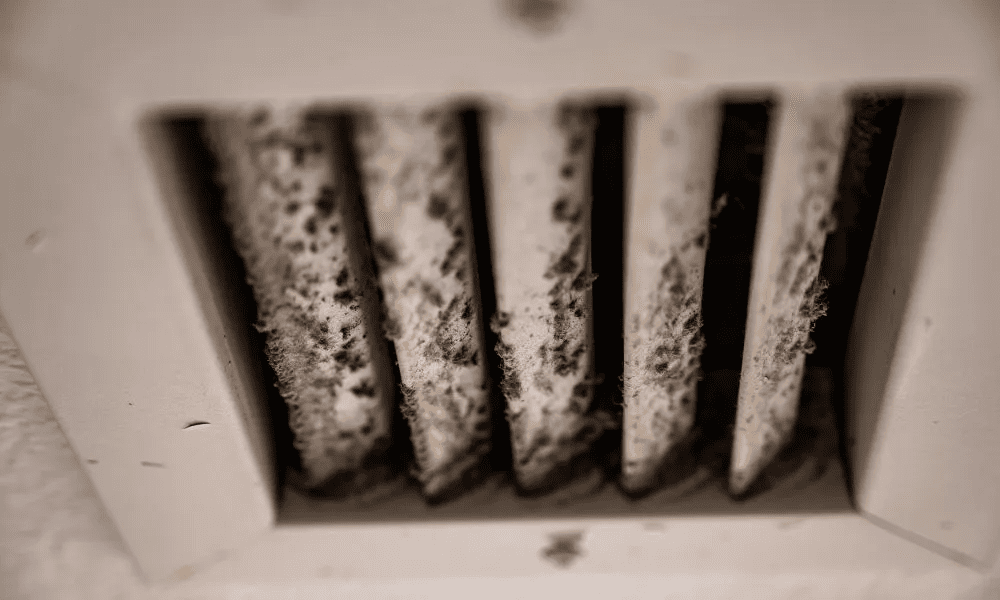
How Mold Spreads Through HVAC Systems – Real Risks, Not Fear Tactics for Homes in
In many Oakland Park homes, mold problems don’t begin on walls, ceilings, or visible surfaces. Instead, they often start inside the HVAC system, quietly spreading throughout the home every time the air conditioner runs. Because HVAC systems operate most of the year in South Florida, they can unintentionally become one of the fastest ways mold travels indoors.
Why HVAC Systems Are Vulnerable to Mold Growth
Air conditioning systems naturally create moisture. As warm, humid air passes over cold evaporator coils, condensation forms. Under ideal conditions, this moisture drains away properly. In reality, small issues like clogged drain lines, poor airflow, or high indoor humidity allow moisture to linger.
Inside HVAC systems, mold finds:
- Moisture from condensation
- Organic material such as dust and debris
- Dark, enclosed spaces
- Continuous airflow to spread spores
These conditions make HVAC systems a common starting point for mold growth in Oakland Park homes.
Where Mold Commonly Grows Inside HVAC Systems
During inspections, mold is rarely found in just one HVAC component. Instead, it often spreads across multiple areas within the system.
Common locations include:
- Air handlers and blower compartments
- Evaporator coils and drain pans
- Insulated duct lining
- Return ducts pulling in humid air
- AC closets with limited ventilation
Because these areas are hidden, mold can grow extensively before homeowners realize there’s a problem.
How Mold Moves From the HVAC System Into the Home
Once mold begins growing inside the HVAC system, airflow does the rest. Each time the system turns on, spores are pulled into the air stream and carried through ductwork into living spaces.
This allows mold to:
- Reach every room connected to the system
- Reappear in cleaned areas
- Spread beyond the original moisture source
- Affect the entire home’s indoor air quality
What may have started as a localized issue becomes a whole-home concern.
Early Signs Homeowners Often Overlook
Many Oakland Park homeowners don’t see mold at first. Instead, they notice subtle changes that are easy to dismiss.
Common early indicators include:
- Musty odors when the AC runs
- Air that feels stale or heavy
- Odors that come and go
- Increased dust near vents
- Discomfort that improves when leaving the house
These signs are often blamed on humidity or seasonal allergies, delaying proper evaluation.
Why HVAC Mold Affects Indoor Air Quality
HVAC systems are designed to circulate air throughout the home. When mold is present inside the system, spores move wherever the air goes. This can reduce indoor air quality even if mold isn’t visible in living areas.
Over time, homeowners may experience:
- Persistent odors
- Reduced comfort indoors
- Irritation or allergy-like symptoms
- Mold growth appearing in new locations
Because the source remains inside the system, surface cleaning inside the home rarely solves the problem.
Why Changing Filters Is Not a Solution
Replacing air filters is important for HVAC maintenance, but it does not address mold growing inside the system. Filters capture airborne particles, not mold growing on internal surfaces.
Filters do not:
- Remove mold on coils or duct lining
- Stop moisture buildup
- Prevent spores already inside the system
Homes with regularly changed filters can still have significant HVAC mold issues.
The Role of Moisture and Humidity in Oakland Park Homes
Oakland Park’s climate creates consistent humidity challenges. High indoor humidity combined with frequent AC use increases condensation inside HVAC systems.
Common contributing factors include:
- Oversized HVAC systems that short-cycle
- Clogged or improperly sloped drain lines
- Leaky ductwork pulling in humid attic air
- Poor airflow or insulation
When these conditions persist, HVAC mold problems are more likely to develop and continue.
Why DIY HVAC Cleaning Often Fails
Some homeowners attempt to clean vents or spray cleaners into duct openings, hoping to eliminate mold or odors. While well-intentioned, these methods rarely solve the problem.
DIY approaches often:
- Miss hidden mold inside components
- Spread spores during cleaning
- Fail to correct moisture sources
- Provide only temporary improvement
Without proper inspection and containment, mold usually returns.
What Professional HVAC Mold Inspections Focus On
Professional inspections look beyond visible areas and focus on identifying both mold growth and the conditions allowing it to exist. This includes:
- Inspecting internal HVAC components
- Evaluating ductwork condition
- Measuring moisture levels
- Checking airflow and ventilation
- Identifying drainage or condensation issues
This approach addresses the cause of the problem, not just the symptoms.
Real Risks of Ignoring HVAC Mold
Ignoring mold inside HVAC systems doesn’t make it go away. Over time, inspection data shows that delayed action often leads to:
- Greater contamination of ductwork
- Mold spreading into living spaces
- Declining indoor air quality
- Higher remediation costs
Early evaluation usually limits the scope of work and reduces disruption.
When Homeowners Should Take Action
Professional evaluation is recommended if:
- Musty odors come from vents
- Mold keeps returning after cleaning
- There has been past water damage
- Indoor air quality feels consistently poor
- HVAC components show visible contamination
Addressing these issues early helps prevent larger problems later.
HVAC Mold Services in Oakland Park
Homes in Oakland Park face ongoing humidity and HVAC-related mold risks. Proper inspection helps identify hidden mold, moisture issues, and airflow problems before they spread further.
We provide:
- HVAC mold inspections
- Air duct evaluations
- Mold testing when appropriate
- Moisture detection
- Clear remediation guidance
