
The Science Explained Simply: Mold Inspection Insights for Homes in South Florida
Mold inspections sound technical, complicated, and honestly a little intimidating. Spores, moisture readings, air samples—most homeowners don’t want a science lesson when they just want answers. The truth is, mold science is simple once you understand how homes behave in South Florida. Mold follows rules, and inspections exist to uncover how those rules play out inside real houses.
After years of real inspections across South Florida homes, one thing stays consistent. Mold never appears randomly. It follows moisture, airflow, and building materials every single time. Once you understand that, mold inspection starts to make a lot more sense.
Mold Growth Follows a Simple Formula
Mold doesn’t need luck or bad timing. It needs three things, and that’s it.
Mold requires:
- Moisture
- A food source
- Time
South Florida provides all three almost effortlessly. High humidity supplies moisture, homes provide food like drywall and wood, and time does the rest. Mold inspections focus on identifying which part of this formula stays unchecked inside a home.
Moisture Always Comes Before Mold
Moisture Is the Real Starting Point
Mold never shows up without moisture first. During inspections, moisture readings reveal problems long before visible mold appears.
Inspectors look for:
- Elevated moisture levels inside walls
- Condensation near HVAC systems
- Leaks around plumbing, windows, and roofs
Visible mold marks where the issue surfaced. Moisture measurements show where it actually started.
How Mold Grows Inside Walls
Drywall looks solid, but it absorbs moisture easily. Once moisture gets inside, mold doesn’t stay on the surface.
Inside walls, inspections often reveal:
- Mold growth behind paint layers
- Moist insulation feeding colonies
- Structural materials slowly breaking down
This explains why surface cleaning never works long-term. The real growth usually lives where homeowners can’t see it.
Why Mold Inspection Uses Tools Instead of Guesswork
Mold Rarely Grows in Obvious Places
Mold inspection relies on tools because eyes and noses only catch late-stage problems.
Common inspection tools include:
- Moisture meters to detect damp materials
- Thermal imaging to identify temperature changes caused by moisture
- Borescopes to view hidden wall cavities
These tools uncover conditions mold needs, even when visible growth hasn’t appeared yet.
Airborne Mold Plays a Bigger Role Than Most People Think
Mold doesn’t stay put. It releases spores and fragments into the air constantly, especially when disturbed.
During inspections, air quality matters because:
- Spores move room to room easily
- HVAC systems spread them efficiently
- Exposure continues even without visible mold
Air sampling helps determine whether mold affects one area or the entire home.
HVAC Systems Change Everything
Airflow Turns Mold Into a Whole-Home Issue
In South Florida, air conditioning systems run most of the year. That nonstop operation creates condensation and spreads mold spores quickly.
Inspectors often find:
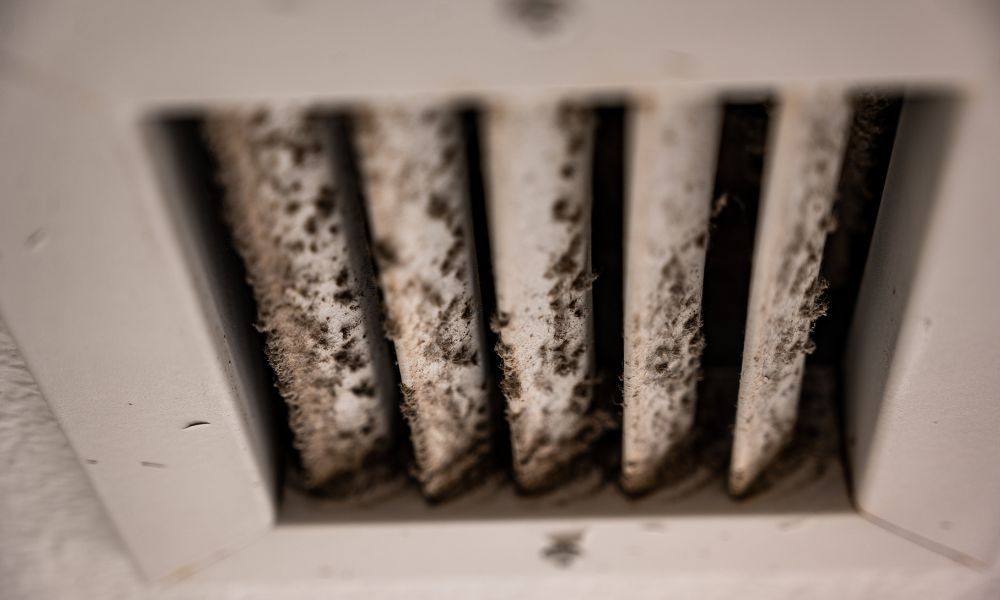
- Mold growth inside air handlers
- Condensation around evaporator coils
- Mold lining interior duct surfaces
Once mold enters the HVAC system, it rarely stays confined to one location.
Surface Mold vs. Hidden Mold
Not all mold problems behave the same way. Mold inspections focus on identifying the depth of contamination.
Surface mold:
- Appears quickly
- Responds temporarily to cleaning
- Returns if moisture remains
Hidden mold:
- Grows behind walls or ceilings
- Spreads unnoticed
- Affects indoor air quality long-term
Understanding the difference determines how serious the situation really is.
Why South Florida Homes Face Higher Mold Risk
South Florida homes operate in a mold-friendly environment year-round. Inspections reflect that reality consistently.
Contributing factors include:
- High humidity that rarely drops
- Heavy air conditioning use
- Seasonal storms and water intrusion
- Older building materials in some neighborhoods
These conditions mean inspections often find moisture problems even when homes look clean.
Mold Inspection Looks for Patterns, Not Panic
One mold spot doesn’t tell the full story. Mold inspection connects patterns throughout the home.
Inspectors analyze:
- Moisture readings in multiple areas
- Airflow paths from HVAC systems
- Construction details and ventilation
This approach explains why mold appears where it does and how it spreads over time.
Why DIY Mold Checks Miss the Science
DIY checks rely on sight and smell. Mold inspection relies on measurement and data.
DIY methods often miss:
- Early-stage mold growth
- Hidden moisture problems
- Airborne contamination
Without tools, important clues stay invisible, and problems continue unnoticed.
What Mold Inspection Results Actually Reveal
A proper mold inspection doesn’t just confirm mold exists. It explains why it exists and what allows it to keep growing.
Inspection results typically identify:
- Moisture sources
- Affected materials
- Spread patterns
- High-risk areas for future growth
That information makes real solutions possible instead of guesswork.
Early Mold Inspection Prevents Bigger Problems
Catching moisture issues early limits how far mold can spread.
Benefits include:
- Lower repair costs
- Better indoor air quality
- Fewer recurring mold issues
Understanding the science early saves time, money, and stress.
Lessons From Real Mold Inspections
After countless inspections, one lesson stands out clearly. Mold problems always make sense once moisture, airflow, and materials get evaluated together.
Mold doesn’t behave randomly. It follows predictable rules, especially in South Florida homes.
Final Thoughts: Simple Science Leads to Smarter Decisions
Mold inspection doesn’t need to feel overwhelming or mysterious. Once you understand the science, mold problems become explainable and manageable.
In South Florida homes, inspections consistently reveal the same truth. Mold follows moisture every time. When you understand that, you stop guessing and start making smarter decisions that actually solve the problem.
That’s the power of understanding the science—simple, clear, and effective.
