
How Mold Spreads Through HVAC Systems – The Science Explained Simply for Homes in Florida
Mold doesn’t magically jump from room to room. It travels, and in Florida homes, the HVAC system often does the heavy lifting. Homeowners usually notice the signs late—musty smells, allergy flare-ups, mold appearing in more than one area—and by then, the system has already helped mold spread quietly through the house.
The science behind HVAC mold spread isn’t complicated. Mold follows moisture, airflow, and time. Florida homes provide all three almost effortlessly. Let’s break down how mold moves through HVAC systems, why it spreads so efficiently, and what real inspections consistently reveal across homes in Florida.
Mold Spores Are Always Present in the Air
Mold spores exist everywhere, both indoors and outdoors. They enter homes through open doors, windows, and ventilation without anyone noticing.
Mold becomes a problem only when:
- Spores land on damp surfaces
- Moisture stays present
- Airflow helps spores move
HVAC systems don’t create mold spores, but they provide the perfect transportation network once mold starts growing.
Why HVAC Systems Create Ideal Mold Conditions
HVAC systems naturally produce moisture. In Florida’s humid climate, this moisture becomes hard to manage.
Inside HVAC systems, inspections often find:
- Condensation on evaporator coils
- Moisture collecting in drain pans
- Damp duct interiors during heavy use
These areas stay dark, cool, and undisturbed—exactly what mold needs to grow.
The Role of Condensation in Mold Growth
Moisture Starts the Chain Reaction
When warm, humid air passes over cold HVAC components, condensation forms. That moisture doesn’t always drain or dry properly.
Condensation problems occur when:
- Drain lines clog
- Systems short-cycle
- Insulation around ducts fails
Once moisture lingers, mold spores settle and begin growing inside the system.
How Mold Gets Into the HVAC System
Mold doesn’t need an invitation. Spores enter HVAC systems naturally through airflow.
Mold establishes itself when:
- Humid air enters return vents
- Moisture accumulates inside the system
- Dust and debris provide a food source
Once growth begins, the HVAC system becomes more than equipment—it becomes a distribution pathway.
Airflow Turns Mold Into a Whole-Home Issue
HVAC Systems Move More Than Air
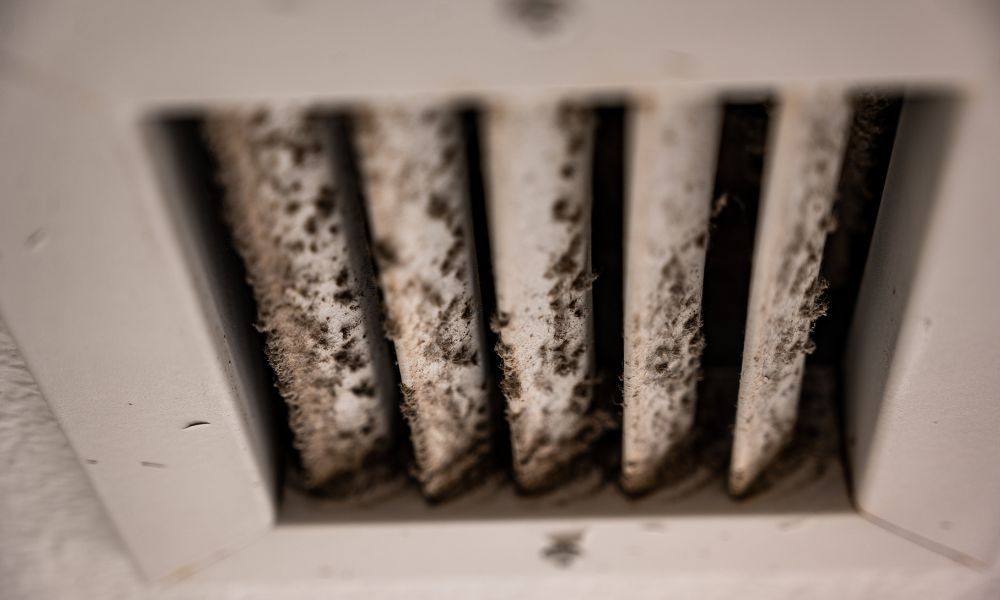
HVAC systems circulate air through every room. When mold grows inside ducts or air handlers, spores hitch a ride.
This leads to:
- Mold appearing in multiple rooms
- Spores settling on walls, ceilings, and furniture
- Air quality declining throughout the home
Mold rarely stays confined to the system once airflow spreads it.
Why Mold Spreads Faster When the AC Runs More
Florida homes rely heavily on air conditioning. Increased AC use increases airflow and condensation.
Inspections often show:
- Faster mold spread during hot months
- More contamination near frequently used vents
- Stronger odors when systems cycle on
The harder the system works, the more efficiently mold travels.
Dust and Debris Help Mold Thrive Inside Ducts
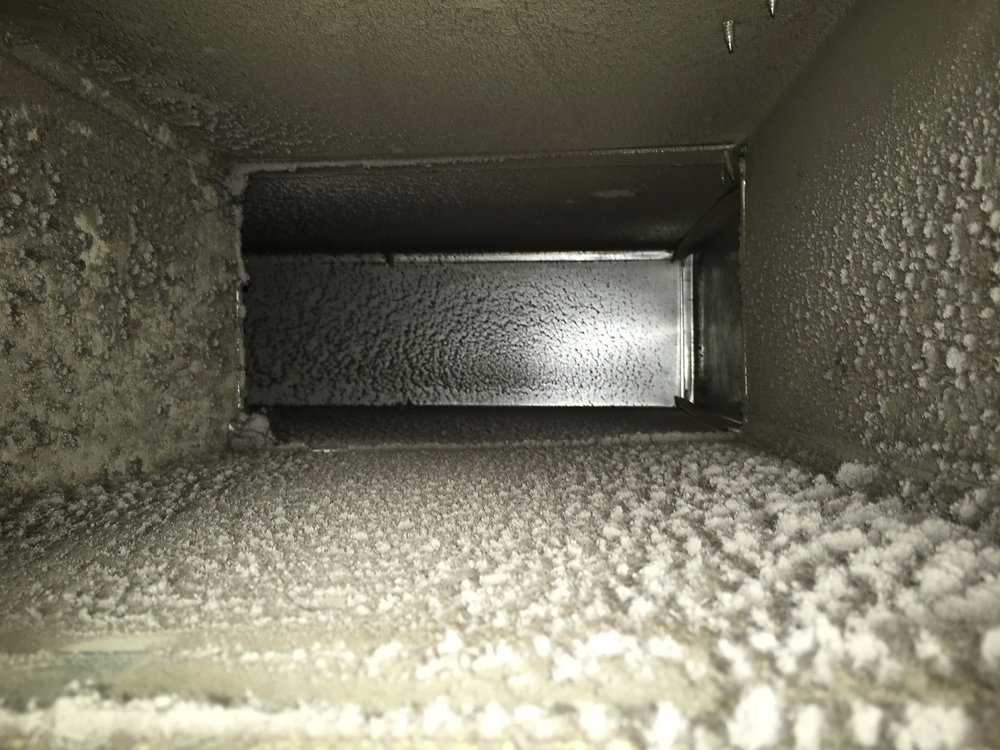
Ductwork doesn’t stay clean forever. Dust accumulates naturally over time.
Dust provides:
- Organic material mold feeds on
- A surface for spores to attach
- Insulation that traps moisture
When moisture and dust combine inside ducts, mold growth accelerates.
Why Mold Often Appears Far From the Source
Homeowners feel confused when mold shows up in rooms that never had leaks or moisture problems.
This happens because:
- HVAC airflow distributes spores evenly
- Mold settles where conditions allow growth
- The original source stays hidden inside the system
The visible mold isn’t always the starting point—it’s often the destination.
HVAC Mold Affects Indoor Air Before Walls
In many Florida homes, HVAC mold affects air quality long before visible mold appears.
Common early signs include:
- Musty odors when the AC turns on
- Increased allergy symptoms indoors
- Persistent respiratory irritation
These symptoms often improve when homeowners leave the house, pointing directly to airborne exposure.
Why DIY Cleaning Doesn’t Stop HVAC Mold Spread
DIY efforts usually focus on vents and filters. That helps appearance, not contamination.
DIY cleaning fails because it:
- Reaches only visible components
- Leaves mold deep inside ducts untouched
- Ignores moisture and condensation issues
As long as mold remains inside the system, spores continue circulating.
Filters Help, But They Aren’t a Mold Solution
Filters play a role in air quality, but they don’t stop mold growth inside HVAC systems.
Inspection data shows:
- Dirty filters restrict airflow
- Restricted airflow increases condensation
- Moist filters can contribute to mold growth
Filters support system health, but mold inside ducts and air handlers requires direct attention.
Why Florida Homes Face Higher HVAC Mold Risk
Florida’s environment creates ongoing challenges for HVAC systems.
Risk factors include:
- High outdoor humidity year-round
- Frequent AC operation
- Sudden temperature changes
- Older duct systems in some homes
These conditions make moisture control more difficult and mold spread more likely.
What Inspections Look for When Tracking Mold Spread
Real inspections focus on understanding how mold moves, not just where it appears.
Inspectors evaluate:
- Moisture levels inside HVAC components
- Visible growth inside ducts and air handlers
- Airflow paths throughout the home
- Humidity levels in multiple rooms
This approach explains how mold spreads and why it keeps returning.
How Proper HVAC Mold Remediation Stops the Spread
Stopping mold spread requires breaking the chain reaction.
Effective remediation focuses on:
- Removing mold-contaminated HVAC components
- Correcting condensation and drainage issues
- Reducing indoor humidity
- Preventing future moisture buildup
When moisture and airflow issues get addressed together, mold loses its ability to spread.
Preventing HVAC Mold Going Forward
Prevention relies on awareness and consistency, not guesswork.
Helpful prevention steps include:
- Monitoring indoor humidity
- Addressing condensation quickly
- Ensuring proper airflow
- Keeping HVAC systems maintained
When systems stay dry internally, mold struggles to gain a foothold.
Lessons From Real HVAC Mold Inspections in Florida
From real inspections across Florida homes, one lesson stands out clearly. HVAC systems often explain why mold problems feel widespread and persistent.
Mold doesn’t teleport. It travels through airflow, moisture, and time—and HVAC systems connect all three.
Final Thoughts: Understanding the Science Changes Everything
Mold spreading through HVAC systems sounds alarming, but the science behind it is straightforward. Mold follows moisture. HVAC systems move air. When those two overlap, mold spreads.
In Florida homes, understanding this process removes confusion and replaces it with clarity. Once moisture and airflow get controlled, mold loses its main advantage.
The takeaway is simple and powerful:
If mold keeps showing up in multiple rooms, the HVAC system is often the reason.
