
A Homeowner’s Guide: Black Mold Insights for Homes in Pompano Beach
Black mold gets a lot of attention, and not all of it is helpful. Some people panic the moment they hear the words, while others brush it off as just another stain on the wall. In homes across Pompano Beach, the truth usually sits somewhere in the middle. Black mold is serious, but understanding how it forms, spreads, and affects a home makes it manageable instead of overwhelming.
From real inspections in Pompano Beach homes, black mold rarely appears without warning. It follows moisture, poor airflow, and time. This guide breaks down what homeowners should know, what inspections consistently reveal, and why black mold problems often feel sudden even though they’ve been developing quietly for a while.
What People Mean When They Say “Black Mold”
Black mold isn’t a single species, but the term usually refers to dark-colored mold growth found on building materials. Some types produce stronger reactions than others, but all mold signals a moisture problem.
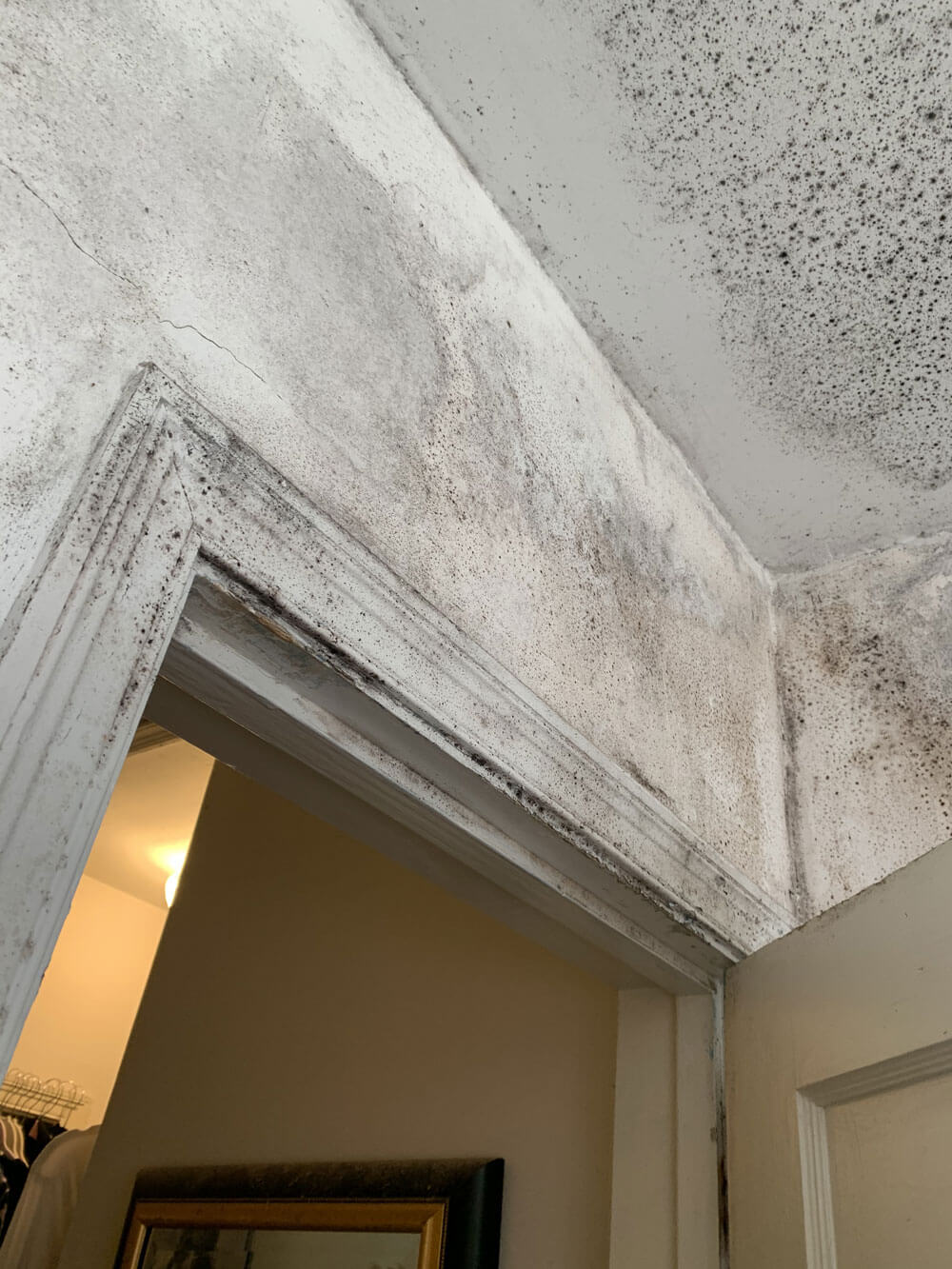
Black mold commonly appears:
- On drywall and ceilings
- Around windows and doors
- Behind baseboards
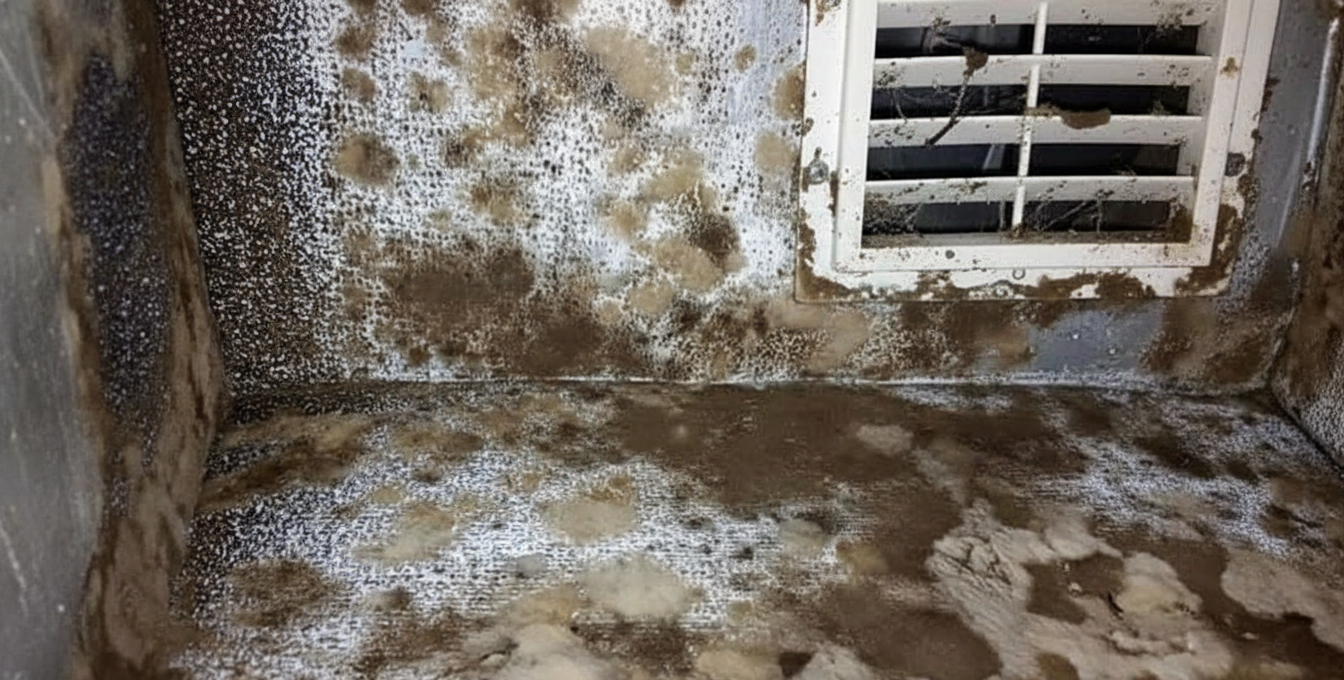
- Inside HVAC systems
The color draws attention, but the moisture behind it matters far more than the color itself.
Why Pompano Beach Homes Face Higher Black Mold Risk
Pompano Beach homes sit in a climate that naturally supports mold growth year-round. Warm temperatures and high humidity rarely take a break.
Key risk factors include:
- Constant outdoor humidity
- Frequent rain and storms
- Heavy air conditioning use
- Older construction materials in some neighborhoods
When moisture enters and doesn’t dry quickly, black mold often follows.
Moisture Is Always the Starting Point
Black Mold Never Grows Without Water
Black mold doesn’t appear randomly. Moisture always comes first, even if homeowners don’t notice it right away.
Common moisture sources include:
- Roof or window leaks
- Plumbing leaks behind walls
- AC condensation issues
- Flooding or storm-related water intrusion
If moisture stays trapped inside walls or ceilings, mold growth becomes almost inevitable.
How Black Mold Grows Behind Walls
Drywall and wood absorb moisture easily. Once water enters, mold roots spread beneath the surface long before anything appears outside.
During inspections, we often find:
- Extensive growth behind clean-looking walls
- Mold feeding on damp insulation
- Structural materials slowly breaking down
This explains why black mold sometimes seems to “appear overnight.” It’s usually been growing out of sight for weeks or months.
Why Black Mold Often Shows Up Near HVAC Systems
Air Conditioning Creates the Perfect Conditions
HVAC systems naturally create condensation. In Pompano Beach homes, that moisture doesn’t always drain or dry properly.
Inspection findings often include:
- Black mold inside air handlers
- Growth near evaporator coils
- Mold lining duct interiors
Once black mold enters the HVAC system, spores circulate throughout the home.
Health Concerns Often Come Before Visible Mold
Many homeowners notice health changes before they ever see black mold.
Common complaints include:
- Persistent allergy symptoms indoors
- Headaches or sinus pressure
- Coughing or throat irritation
Symptoms often improve when leaving the house, which points toward indoor air quality issues.
Why DIY Cleaning Doesn’t Solve Black Mold Problems
DIY cleaning focuses on surface appearance. Black mold problems rarely stay on the surface.
DIY methods fail because they:
- Leave hidden mold untouched
- Push moisture deeper into materials
- Ignore mold inside HVAC systems
As long as moisture and hidden growth remain, black mold returns.
Black Mold and Indoor Air Quality
Black mold doesn’t just affect surfaces. It affects the air.
When black mold grows, it:
- Releases spores into the air
- Spreads through HVAC airflow
- Settles on surfaces throughout the home
This airborne spread explains why black mold problems often affect multiple rooms.
Why Black Mold Keeps Coming Back
Recurring black mold usually means one thing: the moisture problem never got fixed.
Inspections often reveal:
- Ongoing condensation issues
- Leaks that were never fully repaired
- High indoor humidity
Without moisture control, cleaning only delays the next outbreak.
What Inspections Look for With Black Mold
Real inspections focus on understanding the full scope of the problem, not just what’s visible.
Inspectors evaluate:
- Moisture levels in walls and ceilings
- Hidden growth behind materials
- HVAC contamination
- Indoor humidity levels
This approach explains why black mold appeared and how to stop it from returning.
What Proper Black Mold Remediation Involves
Effective remediation addresses cause, not just symptoms.
Proper remediation includes:
- Removing contaminated materials
- Eliminating moisture sources
- Cleaning and treating HVAC components
- Preventing future moisture buildup
When moisture gets controlled, black mold loses its ability to grow.
Preventing Black Mold in Pompano Beach Homes
Prevention focuses on awareness and consistency.
Helpful steps include:
- Monitoring indoor humidity
- Addressing leaks immediately
- Maintaining HVAC systems
- Watching for condensation
When moisture stays under control, black mold struggles to establish itself.
Lessons From Real Inspections in Pompano Beach
From real inspections, one lesson stands out clearly. Black mold almost always traces back to moisture problems that went unnoticed or untreated.
Homes with major black mold issues consistently show:
- Long-term moisture exposure
- Hidden growth behind walls
- HVAC involvement
Once those factors get addressed, black mold problems become manageable instead of recurring.
Final Thoughts: Knowledge Takes the Fear Out of Black Mold
Black mold sounds intimidating, but understanding how it forms and spreads removes the fear. In Pompano Beach homes, black mold follows predictable rules tied to moisture and airflow.
When homeowners recognize the warning signs early and focus on moisture control, black mold stops being a mystery. It becomes a problem with a clear cause and a clear solution.
The most important takeaway is simple and empowering:
Control moisture, and black mold loses its power.
