
Lessons From Real Inspections: Mold Inspection Insights for Homes in Oakland Park
Mold inspections rarely start with dramatic discoveries. In Oakland Park homes, they usually begin with something small that just doesn’t feel right. A musty smell that never fully goes away. Allergy symptoms that seem worse indoors. A stain that keeps coming back no matter how many times it gets wiped or painted over. From real inspections, one thing becomes clear very quickly: mold problems almost never happen randomly.
Mold follows patterns. Once you understand how moisture, airflow, and building materials interact inside Oakland Park homes, those patterns become impossible to ignore. This article breaks down the most important lessons learned from real mold inspections and explains why mold problems often feel confusing until the full picture comes together.
Mold Almost Never Grows Where Homeowners Expect
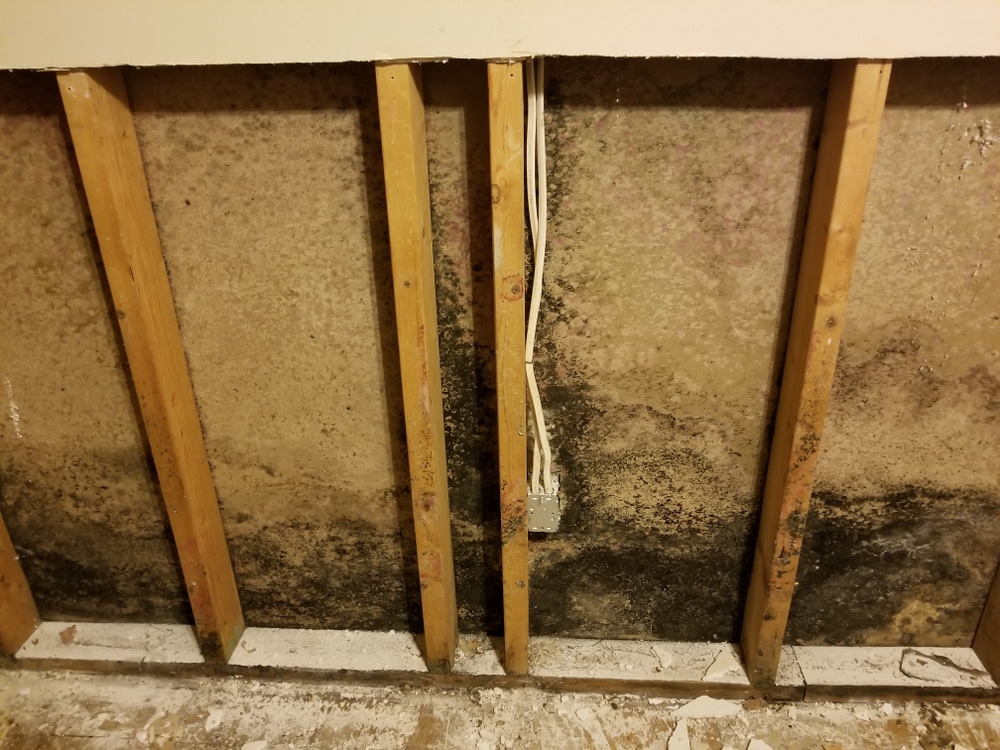
One of the most common inspection insights involves location. Mold rarely starts in the open. Visible mold usually represents a late-stage problem.
During inspections, mold frequently appears:
- Behind walls near bathrooms or kitchens
- Above ceilings where warm air meets cooler surfaces
- Inside closets with poor airflow
- Beneath flooring after minor leaks
By the time mold reaches a visible surface, it has often been growing quietly in hidden spaces for weeks or even months.
Moisture Is Always the True Starting Point
Mold Never Comes First
Every real inspection tells the same story. Mold growth always follows moisture, even when homeowners don’t recall a leak or flood.
Common moisture sources uncovered during inspections include:
- Slow plumbing leaks behind walls
- AC condensation problems
- Roof or window leaks after storms
- High indoor humidity with limited ventilation
If moisture stays long enough, mold growth becomes predictable rather than surprising.
Oakland Park Homes Face Consistent Moisture Challenges
Oakland Park homes sit in a climate that keeps moisture present most of the year. Warm temperatures and humidity rarely give homes a break.
Inspection data frequently shows:
- Elevated indoor humidity levels
- Condensation forming around vents and windows
- Moisture trapped inside wall cavities
These conditions allow mold to grow quietly even in homes that appear clean and well maintained.
HVAC Systems Appear in a Large Percentage of Inspections
Mold Uses Airflow to Spread
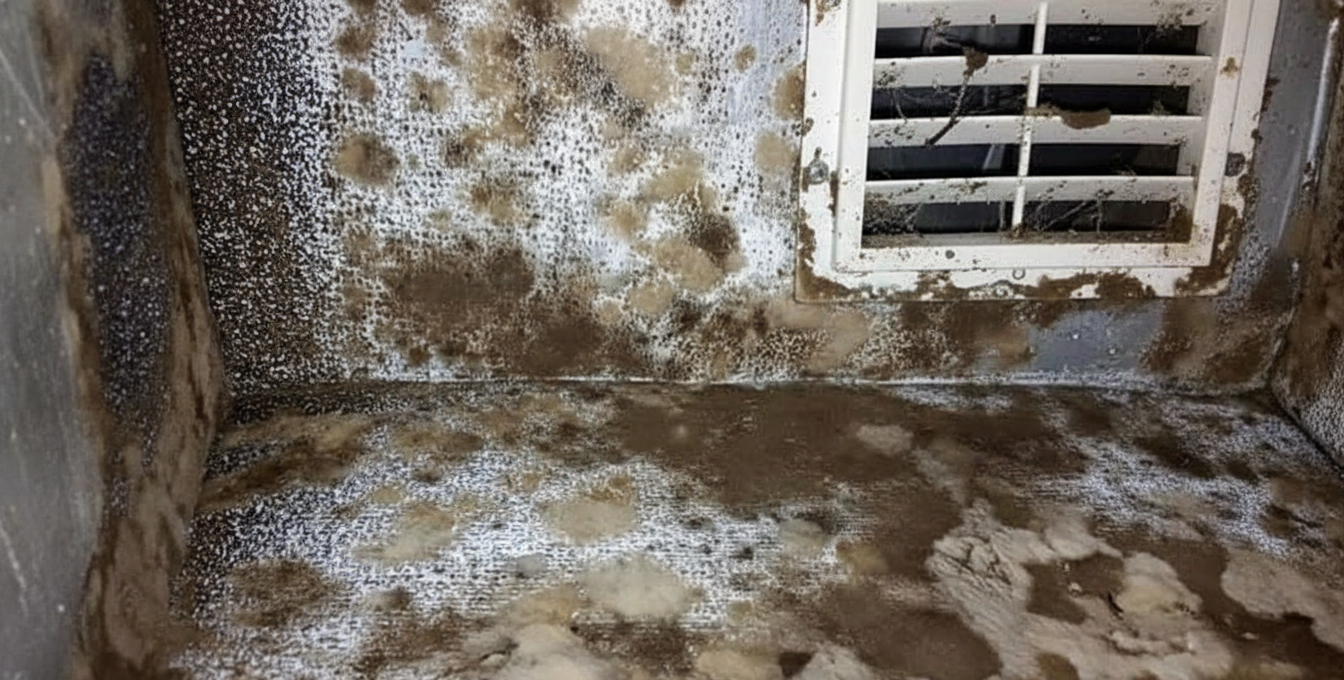
HVAC systems show up in many Oakland Park mold inspections. Once mold enters the system, it doesn’t stay confined.
Common HVAC-related findings include:
- Mold inside supply and return ducts
- Growth near evaporator coils
- Spores circulating throughout the home
This airflow explains why mold often appears in multiple rooms at once.
Musty Odors Are Rarely Harmless
Homeowners often mention smells during inspections, usually describing them as faint, occasional, or hard to pinpoint. Inspections almost always confirm those odors have a source.
Musty smells usually indicate:
- Hidden mold growth
- Moisture trapped behind walls
- Mold contamination inside HVAC systems
If a smell appears when the AC turns on or lingers in one area, inspections typically uncover the reason.
Paint and Drywall Changes Tell an Early Story
Inspections pay close attention to walls and ceilings, even when damage looks minor.
Early warning signs often include:
- Bubbling or peeling paint
- Soft or spongy drywall near baseboards
- Discoloration that keeps returning
These changes signal moisture inside building materials, which almost always leads to mold growth if ignored.
Mold Rarely Stays on the Surface
Another major lesson from inspections involves depth. Surface mold almost never tells the full story.
Inspections frequently reveal:
- Mold extending behind visible growth
- Contaminated insulation inside walls
- Growth spreading across framing materials
This explains why surface cleaning rarely solves mold problems long-term.
Small Leaks Cause the Biggest Mold Problems
Many homeowners expect mold to follow major flooding. Inspections consistently prove otherwise.
Small leaks often cause worse damage because they:
- Go unnoticed for long periods
- Keep materials damp continuously
- Allow mold to grow slowly and deeply
A slow drip behind a wall can cause more mold than a one-time flood that dries quickly.
Mold Often Affects Air Quality Before Surfaces
Inspection data often connects mold growth to indoor air quality complaints.
Homeowners frequently report:
- Allergy symptoms indoors
- Headaches or fatigue at home
- Symptoms improving outside
Air testing during inspections often confirms elevated mold spores even when visible mold seems minimal.
Older Construction Reveals Predictable Patterns
Certain trends appear more often in older Oakland Park homes.
These homes commonly show:
- Less effective ventilation
- Aging plumbing materials
- Older duct systems
These factors don’t guarantee mold, but they increase the likelihood when moisture enters the home.
DIY Cleaning Rarely Resolves the Core Problem
Inspections following DIY mold cleaning almost always uncover ongoing issues.
DIY efforts typically:
- Remove visible mold only
- Leave hidden growth untouched
- Ignore moisture sources
When inspections happen after DIY cleaning, mold usually returns because the cause never changed.
Why Mold Problems Feel Sudden to Homeowners
Homeowners often describe mold as appearing “out of nowhere.” Inspections usually reveal a long timeline.
Mold feels sudden because:
- Growth stayed hidden
- Moisture existed quietly
- Visible signs appeared late
In reality, mold problems usually develop slowly over time.
What Mold Inspections Actually Focus On
Real mold inspections don’t just look for mold. They look for the conditions that allow mold to survive.
Inspections evaluate:
- Moisture levels inside materials
- Condensation patterns
- HVAC airflow and contamination
- Indoor humidity levels
This approach explains why mold appeared and how to prevent it from returning.
Why Moisture Testing Matters So Much
Moisture testing often reveals problems homeowners never suspected.
Inspections commonly find:
- Damp materials that feel dry
- Moisture trapped behind walls
- Elevated humidity in specific rooms
Without testing, these issues remain invisible and unresolved.
Lessons About Preventing Mold From Returning
One of the most valuable inspection insights involves prevention.
Homes that avoid repeat mold issues typically:
- Address moisture immediately
- Monitor indoor humidity
- Maintain HVAC systems properly
- Improve ventilation where needed
When moisture stays controlled, mold struggles to grow.
The Biggest Lesson From Real Inspections
After countless inspections in Oakland Park homes, one lesson stands above all others. Mold problems make sense once moisture, airflow, and building materials get evaluated together.
Mold doesn’t behave randomly. It follows clear rules. Inspections simply reveal how those rules play out inside each home.
Final Thoughts: Inspections Turn Confusion Into Clarity
Mold inspections remove guesswork from a stressful situation. Instead of guessing, homeowners gain clear answers about what’s happening inside their home and why.
In Oakland Park homes, real inspections consistently show that mold problems develop quietly, follow moisture, and spread through airflow. Once homeowners understand that pattern, mold stops feeling mysterious and starts feeling manageable.
The most important takeaway is simple and empowering:
When you understand why mold exists, you finally know how to stop it.
