


Indoor Air Quality Issues in Florida Homes – Real Risks, Not Fear Tactics for Homes in Miramar
Indoor air quality doesn’t usually scream for attention. It quietly affects how a home feels day after day. In Miramar homes, poor indoor air quality often shows up as lingering odors, constant humidity, or allergy symptoms that never fully go away. It doesn’t feel dramatic, which is exactly why so many homeowners overlook it. The real risks aren’t sudden or extreme—they build slowly when everyday conditions stay unchecked.
This isn’t about scare tactics or worst-case scenarios. Real inspections inside Miramar homes show that indoor air quality problems follow predictable patterns tied to humidity, airflow, and moisture. Once you understand those patterns, the issue becomes manageable instead of mysterious.
Indoor Air Quality Problems Develop Quietly
Most homeowners expect air quality issues to feel obvious. In reality, they usually start small and stay subtle for a long time.
Early signs often include:
- Rooms feeling stuffy or heavy
- Odors that linger longer than expected
- Mild allergy symptoms indoors
- Fatigue that improves outside the home
Because these signs feel common, they often get ignored until they become impossible to dismiss.
Humidity Is the Biggest Driver of Air Quality Issues
Moist Air Changes Everything
Humidity plays a massive role in indoor air quality, especially in Florida homes. In Miramar, outdoor humidity stays high most of the year, and that moisture easily makes its way indoors.
When indoor humidity stays elevated:
- Air feels thicker and less breathable
- Allergens remain airborne longer
- Mold growth becomes more likely
- Dust mites thrive
Inspections consistently show that unmanaged humidity sits at the center of most indoor air quality problems.
HVAC Systems Shape Indoor Air Every Day
HVAC systems do more than cool air. They move it, filter it, and redistribute it throughout the home.
In Miramar homes, inspections often reveal:
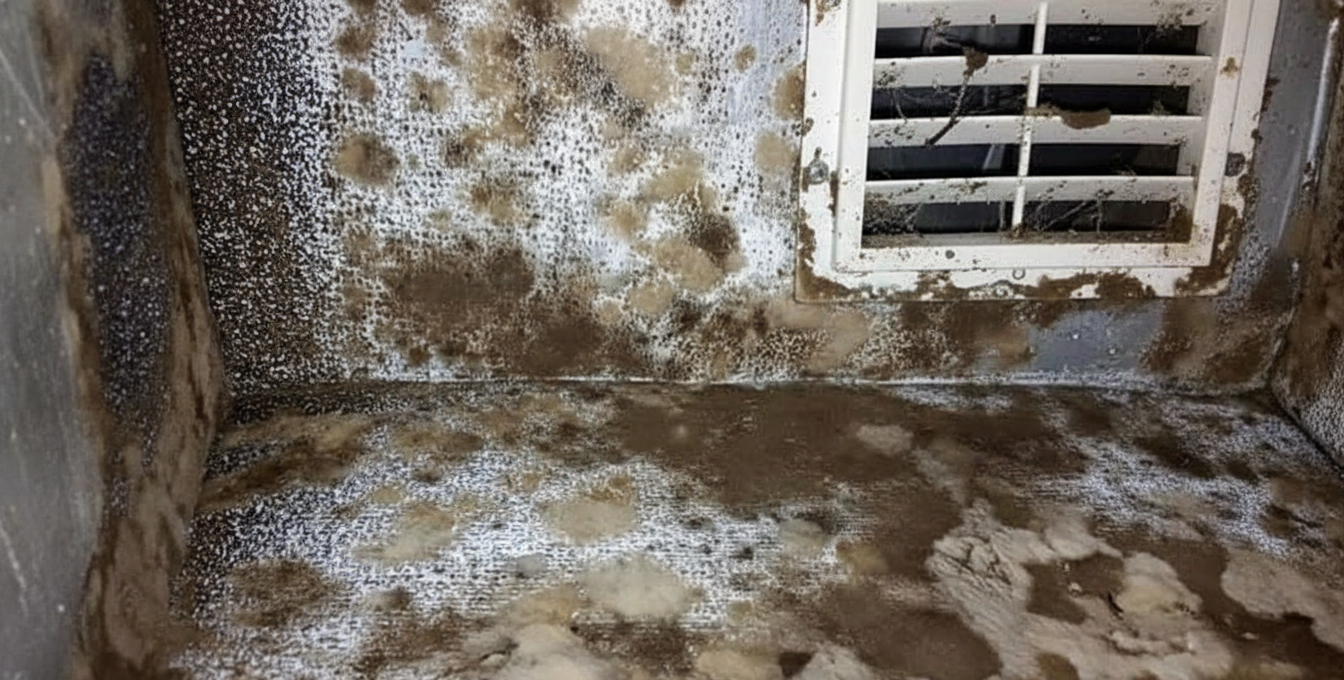
- Moisture buildup inside air handlers
- Condensation forming inside ductwork
- Dust and debris circulating through vents
When HVAC systems struggle with moisture or airflow, indoor air quality suffers even if temperatures feel comfortable.
Mold and Indoor Air Quality Are Closely Linked
Mold doesn’t need to be visible to affect air quality. Hidden mold releases spores into the air continuously.
Inspections frequently uncover:
- Mold growth behind walls or ceilings
- Contamination inside HVAC systems
- Elevated airborne mold spores
These spores irritate airways and lower overall air quality long before homeowners ever see mold on surfaces.
Why Homes Feel “Stuffy” Even When Clean
Many Miramar homeowners describe homes that feel heavy or stale despite regular cleaning. Inspections usually point to airflow and moisture imbalance.
Common contributors include:
- Limited ventilation
- High indoor humidity
- Short HVAC cycles
- Trapped indoor pollutants
Clean surfaces don’t equal clean air when moisture and airflow fall out of balance.
Condensation Is a Warning Sign, Not a Minor Issue
Moisture Where It Doesn’t Belong
Condensation appears when warm, humid air meets cooler surfaces. In Florida homes, this happens often.
Inspections commonly find condensation:
- Around AC vents
- On windows and frames
- Inside HVAC ductwork
Condensation feeds mold growth and signals indoor air quality problems that deserve attention early.
Humidity Keeps Allergens Airborne Longer
Humidity changes how particles behave in the air. Moist air prevents allergens from settling quickly.
This includes:
- Mold spores
- Dust particles
- Pet dander
- Outdoor pollutants
When particles remain airborne, exposure increases even if the home looks clean.
DIY Air Quality Fixes Often Miss the Root Cause
Homeowners often try quick fixes to improve air quality. Some help briefly, others do nothing long-term.
DIY efforts often fall short when:
- Dehumidifiers are undersized
- Ventilation issues remain unresolved
- HVAC moisture problems persist
Without addressing root causes, air quality problems quietly return.
Indoor Air Quality Affects Health Gradually
Fear-based messaging suggests immediate danger. Real inspections show a slower, more realistic progression.
Long-term poor air quality often contributes to:
- Ongoing allergy symptoms
- Sinus congestion
- Headaches
- Fatigue or brain fog
Symptoms frequently improve outside the home, which points directly to indoor conditions.
Why Miramar Homes Face Higher Indoor Air Quality Risks
Miramar homes operate in a climate that naturally challenges indoor air quality.
Key factors include:
- High humidity year-round
- Frequent rain and storms
- Heavy air conditioning use
- Warm indoor temperatures
These conditions make moisture control and airflow essential, not optional.
Indoor Air Problems Often Stay Hidden
Poor air quality rarely announces itself loudly. Inspections often uncover issues homeowners never expected.
Hidden contributors include:
- Moist insulation
- Dust-filled ductwork
- Mold behind walls
- Inadequate airflow
By the time symptoms become noticeable, conditions have usually existed for months.
Air Testing Often Confirms What Homeowners Feel
Air testing helps connect symptoms to real conditions instead of guesswork.
Inspection results often show:
- Elevated mold spore counts
- Airborne particles circulating throughout the home
- Indoor air conditions worse than outdoor air
These findings validate concerns without relying on fear tactics.
Why Indoor Air Feels Worse Than Outdoor Air
Indoor environments trap air. Without proper exchange, pollutants build up.
This happens when:
- Windows stay closed year-round
- Ventilation remains limited
- HVAC systems recirculate contaminated air
Fresh-looking homes can still circulate stale air continuously.
What Real Inspections Focus On
Inspections don’t guess. They measure and evaluate.
Inspectors assess:
- Indoor humidity levels
- HVAC performance
- Airflow patterns
- Visible and hidden moisture
This approach explains why air quality feels off instead of relying on assumptions.
Improving Indoor Air Quality Without Panic
Real solutions focus on balance, not drastic action.
Effective improvements include:
- Managing indoor humidity
- Addressing condensation quickly
- Maintaining HVAC systems properly
- Improving airflow and ventilation
When moisture and airflow get controlled, air quality improves naturally.
Lessons From Real Inspections in Miramar
From real inspections, one lesson stands out clearly. Indoor air quality problems rarely come from a single cause.
Homes with poor air quality consistently show:
- Moisture issues
- HVAC involvement
- Limited ventilation
Addressing these factors together produces lasting improvement.
Why Fear Tactics Don’t Help
Fear-based messaging oversimplifies indoor air quality issues. Real problems develop gradually and respond best to informed action.
Panic leads to:
- Overreacting to minor issues
- Ignoring root causes
- Spending money on ineffective fixes
Understanding leads to better outcomes.
Final Thoughts: Real Risks Deserve Real Understanding
Indoor air quality issues in Miramar homes don’t require fear or denial. They require clarity. Real inspections show that air quality problems follow predictable patterns tied to humidity, airflow, and moisture.
When homeowners focus on real risks instead of scary headlines, indoor air quality becomes manageable and predictable.
The most important takeaway is simple and practical:
Control moisture, support airflow, and indoor air quality improves without panic.
