

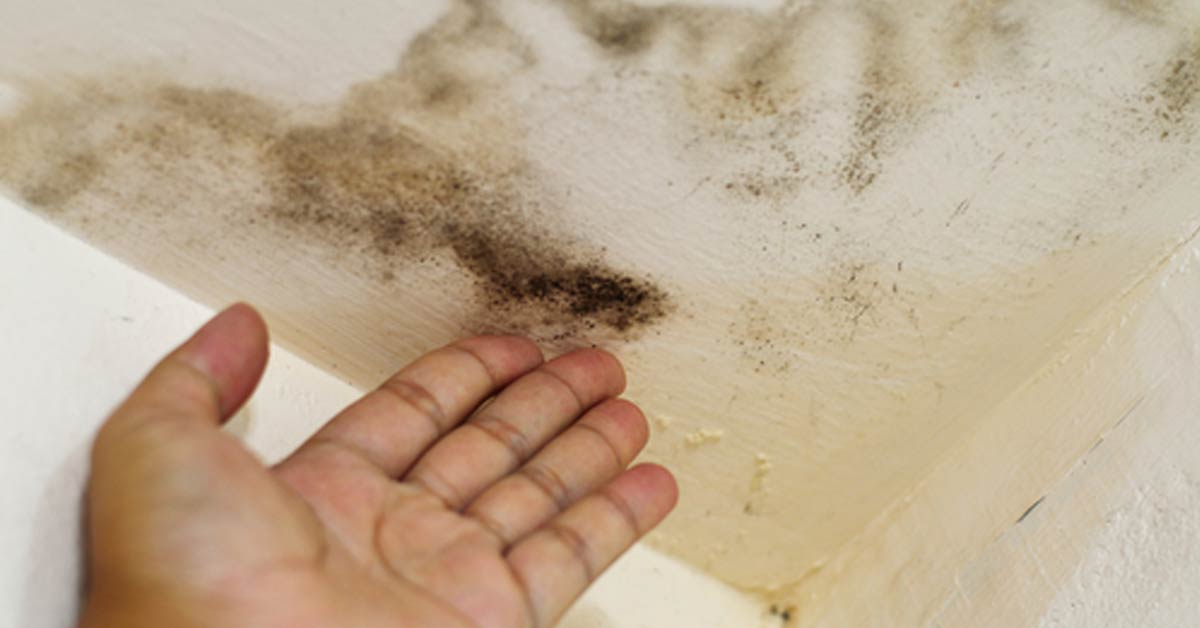
Health Effects of Long-Term Mold Exposure – Lessons From Real Inspections for Homes in Davie
Long-term mold exposure rarely feels urgent at first. It doesn’t usually cause sudden illness or obvious warning signs. In many Davie homes, mold exposure builds quietly over time, affecting health in ways that feel unrelated, inconsistent, or easy to brush off. That slow progression is exactly what makes it so problematic. By the time homeowners start asking questions, symptoms often have been present for months or even years.
Real inspections in Davie homes tell a consistent story. Long-term mold exposure affects health gradually, persistently, and often invisibly. Understanding how those effects develop helps homeowners recognize when mold may be contributing to ongoing health issues and why surface-level fixes rarely make a difference.
Mold Exposure Often Begins Without Clear Symptoms
Most homeowners expect mold-related health problems to feel immediate or severe. In reality, long-term exposure usually starts with mild, easy-to-ignore symptoms.
Early signs often include:
- Occasional sinus congestion
- Mild headaches
- Fatigue that doesn’t seem tied to sleep
- Irritation that comes and goes
Because these symptoms feel common, many people never suspect indoor mold as a contributing factor.
How Long-Term Mold Exposure Affects the Body Over Time
Constant Exposure Changes How the Body Reacts
Mold releases spores and microscopic fragments into the air continuously. Breathing these particles every day creates ongoing stress on the body.
Over time, exposure can lead to:
- Chronic irritation of the respiratory system
- Increased sensitivity to allergens
- Inflammation that never fully settles
The body may tolerate exposure at first, then react more strongly as exposure continues.
Respiratory Issues Are the Most Common Health Effect
During inspections tied to health concerns, respiratory complaints appear more often than any other symptom.
Common respiratory issues include:
- Persistent coughing
- Wheezing or shortness of breath
- Chest tightness, especially indoors
People with asthma or allergies often notice symptoms worsening at home and improving when they leave.
Sinus and Allergy Problems Rarely Fully Resolve
Many Davie homeowners describe sinus issues that never completely go away. Medications may help temporarily, but symptoms often return.
Long-term mold exposure contributes to:
- Chronic sinus congestion
- Recurring sinus infections
- Facial pressure and headaches
As long as mold spores remain in the air, irritation continues even with treatment.
Fatigue and Brain Fog Are Frequently Overlooked
Not all mold-related health effects feel physical. Cognitive and energy-related symptoms show up often during long-term exposure.
Homeowners frequently report:
- Constant tiredness despite adequate sleep
- Difficulty concentrating at home
- Mental clarity improving outside the house
Poor indoor air quality places stress on the body that affects energy, focus, and overall well-being.
HVAC Systems Increase Exposure Without Warning
Mold Becomes an Air Quality Problem
In Davie homes, HVAC systems run most of the year. When mold grows inside ductwork or air handlers, spores circulate continuously.
Real inspections often uncover:
- Mold inside supply and return ducts
- Growth near evaporator coils
- Spores distributed throughout the home
This circulation explains why symptoms often affect everyone in the household, not just one room.
Children and Seniors Experience Symptoms First
Long-term mold exposure doesn’t affect everyone equally. Certain groups experience symptoms sooner and more intensely.
Higher-risk groups include:
- Children with developing immune systems
- Seniors with respiratory sensitivities
- Individuals with asthma or allergies
When one family member struggles more than others, mold exposure often plays a role.
Why Davie Homes Face Higher Mold Exposure Risk
Davie homes operate in a climate that supports mold growth nearly year-round.
Key contributing factors include:
- High outdoor humidity
- Heavy air conditioning use
- Condensation inside HVAC systems
- Occasional water intrusion from storms or leaks
These conditions allow mold to grow quietly while affecting indoor air quality continuously.
Hidden Mold Creates Ongoing Exposure
Visible mold represents only a portion of total contamination. Hidden mold often drives long-term health effects.
Hidden growth commonly exists:
- Behind walls and ceilings
- Inside insulation
- Under flooring
- Inside HVAC systems
Even small hidden areas can release enough spores to affect health over long periods.
Why DIY Cleaning Doesn’t Improve Health Symptoms
DIY mold cleaning focuses on surface appearance, not exposure reduction. Health symptoms usually remain after cleaning.
DIY methods fail because they:
- Leave hidden mold untouched
- Ignore mold inside HVAC systems
- Do not address moisture sources
As long as spores continue circulating through the air, symptoms persist.
Skin and Eye Irritation Linked to Mold Exposure
Long-term mold exposure doesn’t only affect breathing. Skin and eye irritation also appear frequently.
Homeowners often notice:
- Itchy or irritated eyes indoors
- Skin irritation without a clear cause
- Symptoms improving outside the home
These reactions often connect directly to airborne mold exposure.
Why Symptoms Improve Outside the Home
One of the strongest indicators of mold exposure involves symptom changes based on location.
Symptoms often improve outside because:
- Exposure temporarily stops
- The body gets relief from airborne spores
- Inflammation decreases away from the source
When symptoms consistently ease outside, indoor air quality deserves closer attention.
What Proper Mold Remediation Changes for Health
Effective remediation focuses on stopping exposure, not masking symptoms.
Proper remediation includes:
- Removing active mold growth
- Eliminating moisture sources
- Cleaning and treating HVAC systems
- Preventing mold from returning
When mold stops circulating through the air, many homeowners notice health improvements surprisingly quickly.
Lessons From Real Inspections in Davie Homes
From real inspections, one lesson appears repeatedly. Long-term health symptoms often trace back to indoor mold exposure rather than outdoor conditions or lifestyle factors.
Homes with unresolved mold issues consistently show:
- Poor indoor air quality
- Ongoing respiratory complaints
- Symptoms that improve after remediation
Once mold gets addressed properly, many homeowners experience relief they hadn’t felt in years.
Preventing Long-Term Mold Exposure Going Forward
Prevention focuses on moisture control and ongoing awareness.
Helpful prevention steps include:
- Monitoring indoor humidity levels
- Addressing leaks promptly
- Maintaining HVAC systems properly
- Improving ventilation where needed
When moisture stays under control, mold struggles to grow.
Final Thoughts: Long-Term Exposure Deserves Attention
Long-term mold exposure rarely feels urgent at first, but its effects add up over time. In Davie homes, real inspections show how often hidden mold contributes to lingering health issues that never fully make sense.
Understanding the connection between mold and health gives homeowners clarity and control. When exposure stops, the body finally gets the chance to recover.
The most important takeaway is simple and empowering:
When health symptoms linger without explanation, the air inside your home may hold the answer.
