
Real Risks, Not Fear Tactics: Air Duct Mold Insights for Homes in Plantation
Air duct mold is one of the most misunderstood issues we see inside Plantation homes. Some homeowners assume it’s harmless dust. Others hear the word “mold” and immediately picture worst-case health disasters. Neither view helps. The real risks of air duct mold sit squarely in the middle, and real inspections tell a much calmer, clearer story than fear-based headlines ever do.
In Plantation, air conditioning runs most of the year. That means air ducts constantly move air, moisture, and whatever else happens to live inside the system. When mold enters ductwork, it doesn’t cause instant chaos—but it does create ongoing exposure that slowly affects indoor air quality. Let’s break down what real inspections show, how air duct mold actually behaves, and why understanding facts matters more than fear.
Air Duct Mold Doesn’t Start in the Ducts
One of the biggest misconceptions is that mold somehow “appears” inside air ducts. In reality, mold enters duct systems through normal airflow.
From real inspections, mold gets into ducts when:
- Humid air passes through return vents
- Dust and organic debris collect inside ductwork
- Condensation forms and doesn’t fully dry
Once spores land in a damp duct environment, growth begins quietly and out of sight.
Why Plantation Homes Face Higher Air Duct Mold Risk
Climate Does the Heavy Lifting
Plantation homes sit in a climate that naturally supports mold growth year-round. Warm temperatures and high humidity rarely let duct systems fully dry.
Inspection trends in Plantation homes frequently reveal:
- Condensation inside ducts during peak AC use
- Moist air entering return vents daily
- Duct insulation holding moisture longer than expected
These conditions make air ducts an ideal hiding place for mold when moisture control slips.
Condensation Is the Real Driver Behind Air Duct Mold
Fear tactics often focus on mold itself. Real inspections focus on condensation.
Condensation inside air ducts usually results from:
- Temperature differences between indoor air and duct surfaces
- Poor insulation around ductwork
- Restricted airflow increasing moisture buildup
As long as condensation continues, mold has a steady moisture source—even without leaks or flooding.
What We Actually See Inside Air Ducts
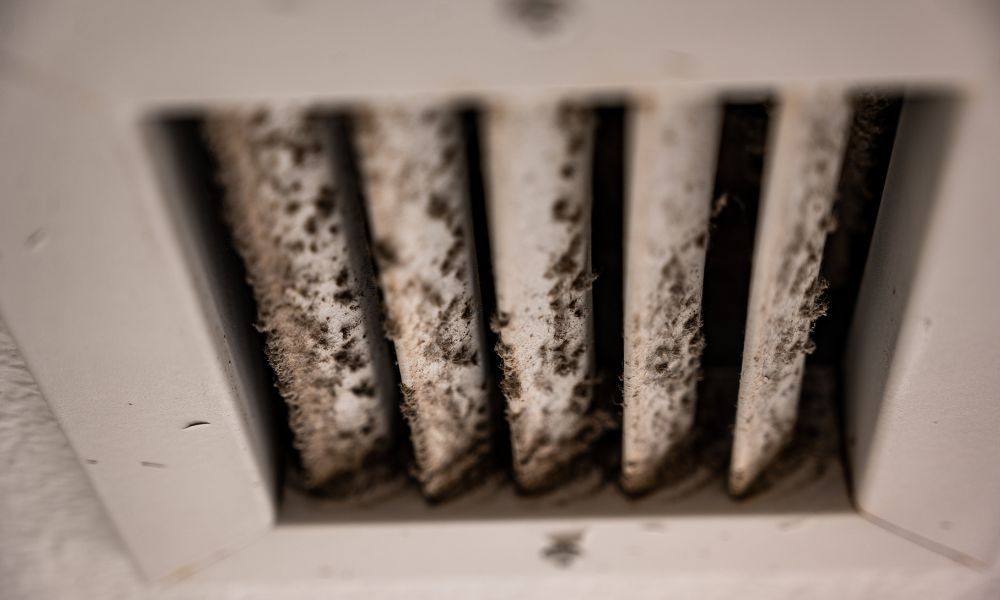
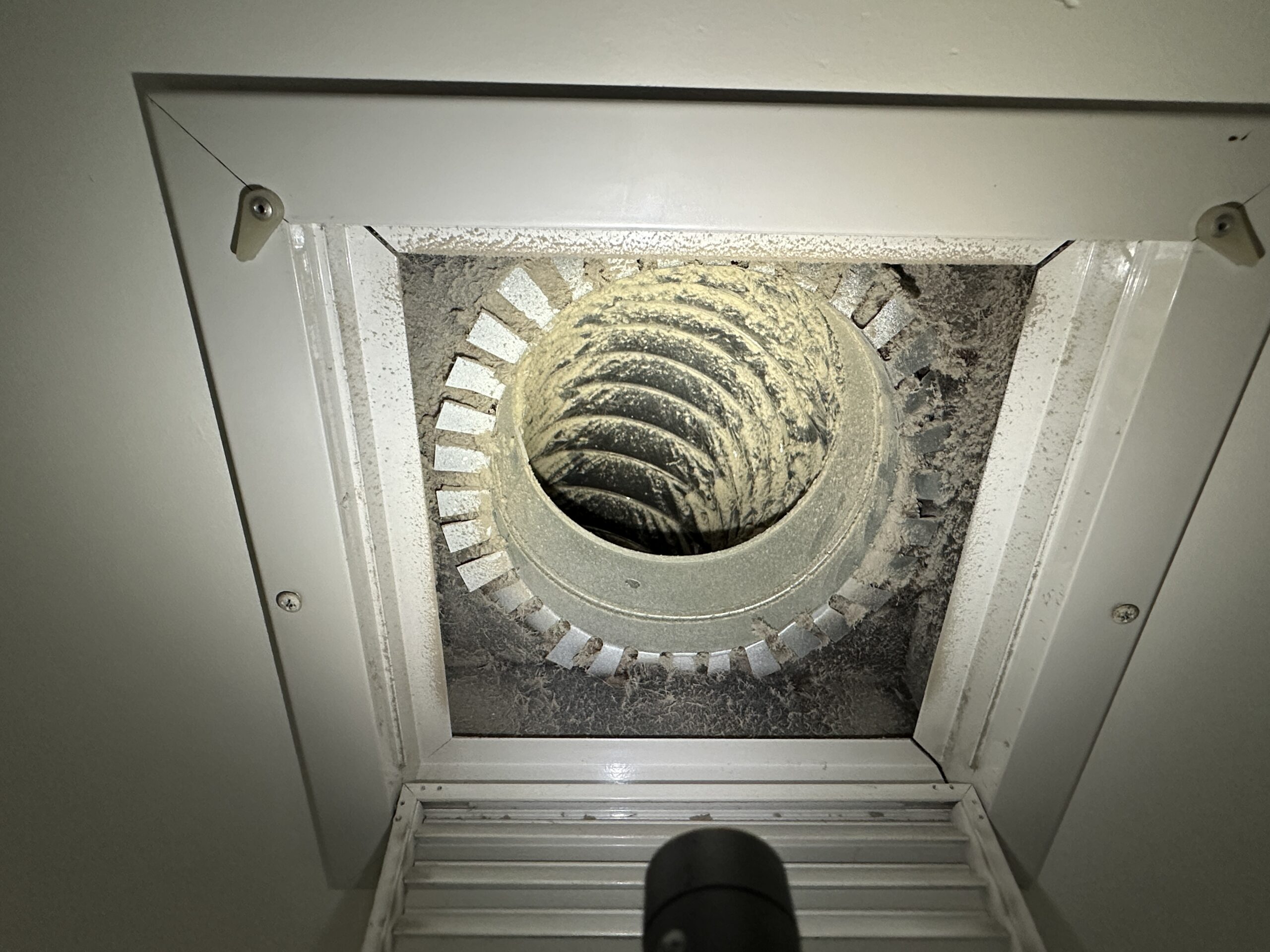
Air duct mold rarely looks dramatic during inspections. It often blends into dust and buildup.
Common inspection findings include:
- Mold lining interior duct surfaces
- Growth near bends and low-airflow sections
- Contamination near return vents pulling humid air
Homeowners may clean vents and replace filters, but mold thrives deeper inside ducts where it remains unseen.
Air Duct Mold Turns a Local Issue Into a Home-Wide One
Airflow Does the Spreading
Air ducts connect every room. When mold grows inside them, spores travel wherever air flows.
This leads to:
- Mold appearing in rooms with no leaks
- Spores settling on walls, ceilings, and furniture
- Declining indoor air quality throughout the home
The duct system becomes a delivery route, not just a hiding place.
The Real Risk: Ongoing Exposure, Not Instant Danger
Fear-based messaging suggests air duct mold causes immediate health emergencies. Real inspections tell a more realistic story.
The true risks come from:
- Daily exposure to airborne mold spores
- Long-term indoor air quality decline
- Symptoms that persist indoors and improve outside
Mold exposure becomes a problem through time and repetition, not instant catastrophe.
Air Duct Mold Affects Air Quality Before You See Mold
In Plantation homes, air duct mold often affects people before it affects surfaces.
Early warning signs include:
- Musty odors when the AC starts
- Allergy symptoms that worsen indoors
- Headaches or fatigue at home
These signs often disappear outside the home, pointing directly to airborne exposure.
Why DIY Air Duct Cleaning Rarely Solves Mold Problems
DIY cleaning focuses on what’s visible. Air duct mold lives where homeowners can’t reach.
DIY efforts usually:
- Clean vent covers only
- Leave mold deep inside ducts untouched
- Ignore condensation and humidity problems
If odors or symptoms return after cleaning, inspections almost always find mold still active inside the duct system.
Filters Help Performance, Not Mold Removal
Filters matter for HVAC efficiency, but they don’t eliminate air duct mold.
Inspection data consistently shows:
- Dirty filters restrict airflow
- Reduced airflow increases condensation
- Moist filters can worsen mold conditions
Filters support system health, but they don’t remove mold growing inside ductwork.
Why Mold Appears in Rooms With No Water Damage
Homeowners often feel confused when mold shows up where no leaks exist.
This happens because:
- Air ducts distribute spores evenly
- Mold settles where conditions allow growth
- The source stays hidden inside the duct system
The visible mold isn’t the starting point—it’s the result.
Older Duct Systems Show Higher Mold Risk
Certain inspection trends appear more often in older Plantation homes.
These systems often have:
- Aging or damaged duct insulation
- Reduced airflow efficiency
- Poor moisture control
These factors don’t cause mold alone, but they make moisture problems harder to control once they appear.
What Air Duct Mold Inspections Actually Focus On
Real inspections don’t guess. They evaluate conditions inside the system.
Inspectors assess:
- Moisture levels inside ducts
- Visible mold growth patterns
- Condensation sources
- Airflow balance
This approach explains why mold entered the duct system and why it continues spreading.
What Proper Air Duct Mold Remediation Addresses
Effective remediation focuses on stopping the cycle, not just cleaning surfaces.
Proper remediation includes:
- Removing mold-contaminated duct sections if needed
- Correcting condensation and insulation issues
- Improving airflow and humidity control
- Preventing moisture from returning
When moisture gets controlled, air duct mold loses its advantage.
Preventing Air Duct Mold in Plantation Homes
Prevention works best when it stays consistent.
Helpful prevention steps include:
- Monitoring indoor humidity levels
- Addressing condensation quickly
- Maintaining HVAC systems regularly
- Ensuring balanced airflow
Dry duct systems don’t support mold growth.
Lessons From Real Inspections in Plantation
From real inspections, one lesson stands out clearly. Air duct mold rarely exists alone. It usually signals moisture and airflow problems affecting the entire system.
Homes with recurring mold issues almost always show:
- HVAC involvement
- Ongoing condensation
- High indoor humidity
Once those conditions change, mold problems stop repeating.
Why Fear Tactics Don’t Help Homeowners
Fear oversimplifies air duct mold. Real problems develop gradually and respond best to informed action.
Fear leads to:
- Panic decisions
- Surface-level fixes
- Missed root causes
Understanding leads to long-term solutions.
Final Thoughts: Facts Create Control, Not Panic
Air duct mold doesn’t require fear. It requires understanding. In Plantation homes, real inspections show that air duct mold follows clear rules tied to moisture, airflow, and time.
When homeowners focus on real risks instead of fear tactics, air duct mold becomes manageable instead of overwhelming.
The most important takeaway is simple and grounded:
If mold keeps coming back, the air ducts often explain why—and facts will always work better than fear.
