

Why Mold Grows in Florida Homes – What We See Inside Homes for Homes in Oakland Park
Mold growth in Florida homes isn’t a mystery—it just feels like one when you only see the surface. In Oakland Park homes, mold doesn’t usually show up because something went horribly wrong overnight. It shows up because everyday conditions quietly stack the deck in mold’s favor. From real inspections, mold growth in Florida homes follows clear, repeatable patterns, and once you understand those patterns, the confusion disappears.
This isn’t about blaming homeowners or hyping worst-case scenarios. It’s about explaining what actually happens inside homes in Oakland Park, where mold hides, and why Florida’s environment makes mold growth far more likely than most people expect.
Florida’s Climate Does Most of the Work
Florida doesn’t need disasters to grow mold. The climate alone creates constant pressure.
In Oakland Park homes, inspections consistently reveal:
- Warm temperatures year-round
- High outdoor humidity entering homes daily
- Materials that struggle to dry completely
Mold thrives when moisture and warmth stay consistent. Florida supplies both without effort.
Mold Doesn’t Start Where You Can See It
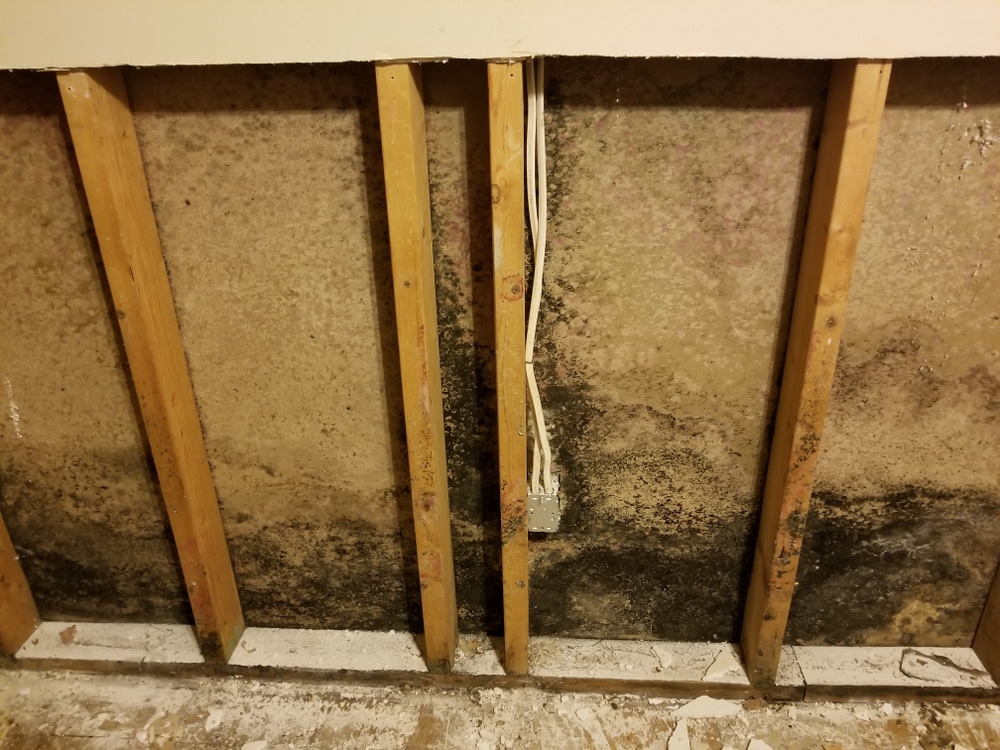
One of the biggest surprises for homeowners is location. Mold rarely starts on visible surfaces.
During inspections, we often find mold:
- Behind drywall that looks clean
- Inside wall cavities near bathrooms or kitchens
- Above ceilings where warm air rises
- Beneath flooring after minor leaks
By the time mold becomes visible, it usually has weeks or months of hidden growth behind it.
Humidity Is the Most Common Mold Trigger
Moist Air Creates Mold Without Leaks
Many homeowners assume mold needs water damage. In Florida, humidity alone can be enough.
Inspection data from Oakland Park homes frequently shows:
- Elevated indoor humidity levels
- Condensation forming without leaks
- Mold growth with no obvious water source
High humidity keeps materials damp long enough for mold spores to activate.
HVAC Systems Play a Central Role in Mold Growth
HVAC systems don’t cause mold, but they help it spread and survive.
From real inspections, HVAC systems often show:
- Condensation on evaporator coils
- Moisture inside air handlers
- Damp duct interiors
Once mold enters the HVAC system, spores circulate throughout the home, turning a localized issue into a whole-home problem.
Condensation Feeds Mold Quietly
Condensation doesn’t look dramatic, which is why it gets ignored. Unfortunately, mold loves it.
We commonly see condensation:
- Around AC vents
- On windows and frames
- Inside HVAC ductwork
Repeated condensation creates ongoing moisture even when everything else looks dry.
Small Leaks Cause Big Mold Problems
Major floods get attention. Small leaks get ignored—and cause worse mold.
In Oakland Park homes, inspections often uncover:
- Slow plumbing leaks behind walls
- Drips under sinks
- Roof leaks that only appear during storms
These leaks keep materials damp for long periods, allowing mold to grow deeply and quietly.
Florida Homes Dry Slower Than You Think
Drying time matters more than most people realize.
Inspection findings often show:
- Drywall staying damp days after leaks
- Insulation holding moisture long-term
- Wood repeatedly absorbing humidity
Florida’s humidity slows drying dramatically, giving mold plenty of time to grow.
Mold Feeds on Normal Building Materials
Mold doesn’t need dirt or neglect. It feeds on everyday materials.
Common mold food sources include:
- Drywall paper
- Wood framing
- Dust particles
- Insulation
Even spotless homes provide everything mold needs once moisture enters the picture.
Why Mold Often Appears in “Random” Rooms
Homeowners feel confused when mold shows up in rooms with no leaks. Inspections explain why.
This happens because:
- HVAC airflow distributes spores
- Mold settles where conditions allow growth
- The source stays hidden elsewhere
The visible mold is often the destination, not the origin.
Oakland Park Homes Share Predictable Mold Patterns
Across Oakland Park inspections, mold follows familiar trends.
Common patterns include:
- Growth near HVAC systems
- Mold appearing after humidity spikes
- Recurring issues in the same locations
Mold isn’t random—it’s consistent.
DIY Cleaning Rarely Stops Mold Growth
DIY cleaning focuses on surfaces. Mold rarely stays on surfaces.
During inspections after DIY cleanup, we often find:
- Hidden mold still active
- Moisture sources unchanged
- Mold regrowth in the same areas
Without moisture control, cleaning only delays the problem.
Mold Often Affects Air Quality First
In many Oakland Park homes, air quality issues appear before visible mold.
Homeowners commonly report:
- Allergy symptoms indoors
- Musty odors that come and go
- Headaches or fatigue at home
Air testing often confirms elevated mold spores even when growth isn’t visible.
Why Florida Homes Face Year-Round Mold Risk
Unlike colder climates, Florida never gets a reset.
Oakland Park homes deal with:
- Constant humidity
- Frequent rain
- Heavy AC use
- Warm indoor temperatures
Mold prevention in Florida requires consistency, not seasonal effort.
What We Actually Look for During Inspections
Real inspections focus on conditions, not just mold.
Inspectors evaluate:
- Moisture levels inside materials
- Condensation patterns
- HVAC system contamination
- Indoor humidity levels
This approach explains why mold appeared and how to stop it from returning.
Why Mold Problems Feel Sudden
Homeowners often say mold appeared overnight. Inspections tell a different story.
Mold feels sudden because:
- Growth stayed hidden
- Moisture existed quietly
- Visible signs appeared late
In reality, mold problems develop slowly.
How Mold Remediation Succeeds in Florida Homes
Successful remediation focuses on changing conditions, not chasing growth.
Effective remediation includes:
- Removing contaminated materials
- Eliminating moisture sources
- Addressing HVAC involvement
- Preventing future moisture buildup
When conditions change, mold loses its advantage.
Lessons From Inside Oakland Park Homes
From real inspections, one lesson stands out clearly. Mold grows in Florida homes because the environment supports it—not because homeowners fail.
Homes with ongoing mold problems almost always show:
- Moisture issues
- HVAC involvement
- High indoor humidity
Once those factors get addressed, mold becomes manageable instead of constant.
What Homeowners Should Watch For
Early awareness helps prevent major problems.
Warning signs include:
- Persistent musty odors
- Repeated staining or discoloration
- Condensation around vents or windows
- Ongoing humidity issues
Catching moisture early changes everything.
Final Thoughts: Mold Makes Sense Once You See Inside
Mold growth in Florida homes isn’t random or mysterious. In Oakland Park homes, real inspections show that mold follows moisture, airflow, and time every single time.
Once homeowners understand what’s happening inside walls, ceilings, and HVAC systems, mold stops feeling overwhelming. It becomes a problem with clear causes and clear solutions.
The most important takeaway is simple and practical:
In Florida, mold prevention starts with controlling moisture—not chasing mold itself.
