
The Biggest Myth: “If I Can See It, I Can Fix It”
If you’ve ever spotted a small patch of black mold on your bathroom wall or noticed that musty smell creeping through your Florida home, you might have thought, “No problem—I can handle this myself.” It’s an easy trap to fall into. After all, you see it, right? How hard could it be to scrub it off?
Here’s the hard truth: just because you can see mold doesn’t mean you can fix it. In humid cities like Hollywood, Tamarac, Miramar, and Fort Lauderdale, mold spreads silently in ways most homeowners never realize. That little black spot on the drywall? It’s probably the tip of a much bigger problem.
In this article, we’re going to break down why visible mold is rarely the whole story, why DIY approaches often fail, the health and structural risks involved, and how professional inspections and remediation actually solve the problem.
Why Seeing Mold Doesn’t Equal Solving Mold
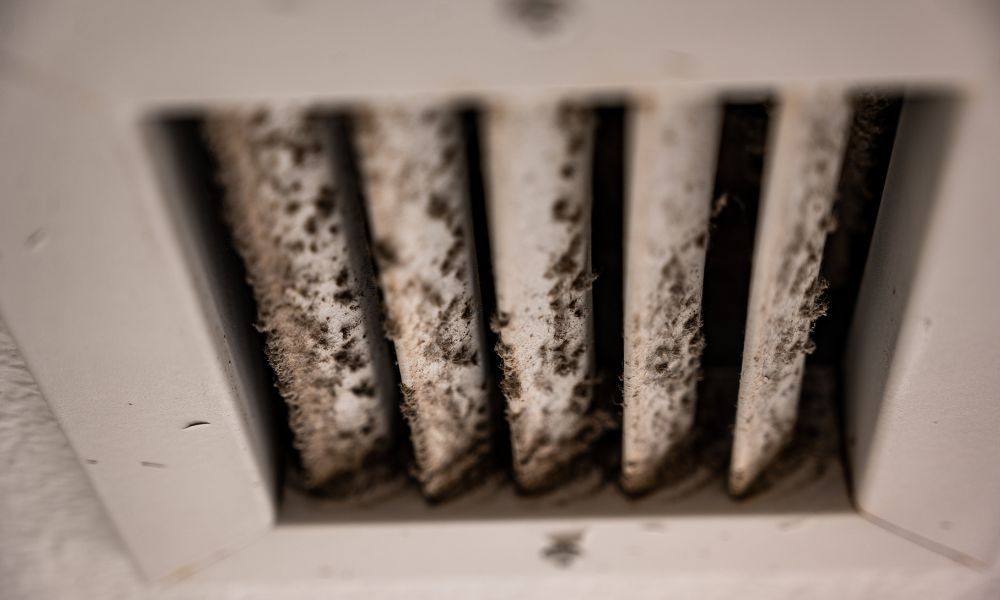
Mold is sneaky. It thrives in hidden, damp spaces, and visible growth is often just a symptom. You might see a black or green patch on a wall, but under the surface, mold has likely been spreading through:
- Drywall cavities behind walls and ceilings
- Flooring and subflooring that trap moisture
- Attics and crawlspaces with poor ventilation
- HVAC systems, where spores circulate through the entire house
Data from Florida inspections shows that over 80% of homes with visible mold also have hidden colonies elsewhere. If you only tackle what you can see, you’re leaving a major problem untouched.
The Illusion of DIY Success
Many homeowners think scrubbing a wall, spraying bleach, or using a store-bought mold cleaner will fix everything. Here’s why that often fails:
- Surface-only treatment: Wiping down visible spots kills spores on the surface but doesn’t reach the hyphae inside drywall, wood, or insulation.
- Hidden moisture sources remain: Leaks, condensation, or high humidity allow mold to regrow quickly.
- Airborne spores continue to spread: Cleaning one patch doesn’t prevent spores from traveling from hidden areas to other parts of the home.
- Contamination in HVAC systems or flooring: These areas are nearly impossible to treat effectively without professional equipment.
DIY cleaning might make your home look better for a few days, but it rarely addresses the root causes or hidden colonies.
Health Risks of Leaving Mold Untreated
Even small patches of mold can affect air quality and your family’s health, especially if hidden colonies exist:
- Allergic reactions: Sneezing, congestion, itchy eyes, post-nasal drip
- Respiratory issues: Chronic cough, wheezing, asthma flare-ups
- Fatigue and brain fog: Microbial volatile organic compounds (MVOCs) affect energy and concentration
- Skin irritation: Rashes or hives
Children, seniors, and people with pre-existing respiratory conditions are particularly sensitive. Often, symptoms improve when leaving the house—signaling that hidden mold may be the culprit.
Common Hidden Mold Hotspots
Even if you only see one patch, mold likely exists in these hidden areas:
1. Inside Walls
- Leaky plumbing, AC condensation, or roof leaks can saturate drywall and framing.
- Mold can grow unseen for months before showing any surface stains.
2. Under Flooring
- Carpets, laminate, and tile over concrete slabs trap moisture from leaks or high humidity.
- Mold under floors releases spores into the home, affecting air quality.
3. Attics and Crawlspaces
- Poor ventilation, storm damage, or insulation issues create ideal mold habitats.
- Mold may go unnoticed until it spreads into living spaces.
4. HVAC Systems
- Ducts, coils, and air handlers provide both food (dust) and water for mold colonies.
- Contaminated systems circulate spores throughout your home continuously.
5. Cabinets and Closets
- Humid storage areas with limited airflow can harbor mold on wood, cardboard, or stored fabrics.
Why Professional Mold Remediation Matters
Proper mold remediation is much more than just wiping a wall. Here’s how experts tackle the problem:
Step 1: Identify Moisture Sources
- Detect leaks, condensation, or high humidity areas.
- Fixing moisture sources is essential to prevent recurrence.
Step 2: Contain the Affected Area
- Use plastic barriers and negative air machines to prevent spores from spreading.
Step 3: Remove Contaminated Materials
- Drywall, insulation, and carpeting are often removed.
- Non-porous surfaces are cleaned with HEPA vacuuming and antimicrobial treatments.
Step 4: Inspect and Clean HVAC Systems
- Ducts, coils, and air handlers are thoroughly inspected and cleaned.
- Moisture issues inside the system are corrected to prevent regrowth.
Step 5: Post-Remediation Verification
- Air and surface testing confirm spore counts have returned to safe levels.
- Follow-up inspections ensure no new moisture or mold is present.
Preventing Recurrence
Even after remediation, prevention is key:
- Maintain indoor humidity at 45–55%
- Ventilate bathrooms, kitchens, and laundry areas to the outside
- Inspect and maintain AC systems, including coils and ducts
- Address musty odors immediately
- Use moisture meters or thermal imaging to detect hidden leaks
Proactive monitoring reduces the chance of mold establishing new colonies.
Case Study: Hidden Mold in Hollywood
In a Hollywood home, homeowners noticed black mold on a bathroom wall. They cleaned it multiple times, but it kept coming back. Professional inspection revealed:
- Hidden mold inside the wall cavity behind the tub
- Spores in the HVAC duct system, spreading to other rooms
- Elevated humidity in the attic contributing to growth
After professional remediation—including wall replacement, duct cleaning, and moisture control—the home’s air quality improved, allergy symptoms decreased, and mold recurrence was eliminated.
The Bottom Line
The myth that “if I can see it, I can fix it” is one of the most dangerous in Florida homes. Mold is rarely confined to visible areas. Hidden colonies behind walls, under floors, inside HVAC systems, and in attics or crawlspaces continue to grow and release spores even after surface cleaning.
Effective mold management requires:
- Inspection for hidden growth
- Identification and correction of moisture sources
- Professional remediation
- Ongoing maintenance and monitoring
Remember: visible mold is only the tip of the iceberg. Tackling just what you see is rarely enough to protect your home or your family’s health.
