
Mold Testing Isn’t About Panic—It’s About Clarity
Let’s be real: the word “mold” triggers panic for most homeowners. A small black spot on the wall or that musty odor in your closet can make you imagine your home is a horror movie set. But here’s the thing: mold testing isn’t about panic—it’s about clarity. It’s about understanding what’s actually going on in your home so you can take the right action.
In humid Florida cities like Tamarac, Hollywood, Miramar, and Fort Lauderdale, mold is more common than many homeowners realize. High humidity, AC condensation, plumbing leaks, and storm damage create ideal conditions for mold growth. Testing your home gives you a clear picture of where mold is, how much there is, and what type it is. This knowledge is power—it helps you act effectively rather than guessing or overreacting.
Let’s break down why mold testing matters, what inspections reveal, and how to use the data to protect your home and your family.
Why Mold Testing Is More About Understanding Than Fear
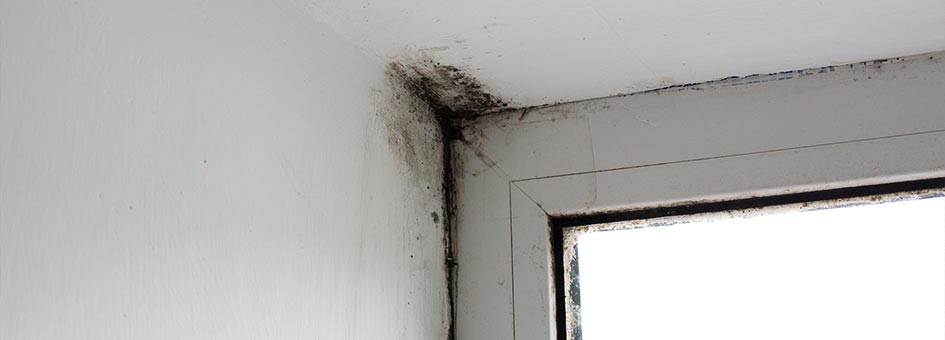
Many people think that calling in a mold inspector means their home is automatically unsafe or infested. That’s not true. Mold testing is a diagnostic tool, just like getting a blood test. It tells you what’s present, where it is, and whether it’s a concern.
- Hidden growth detection: Mold often grows behind walls, under floors, and inside HVAC systems—places you can’t see.
- Species identification: Not all mold is created equal. Some types pose more health risks than others.
- Quantifying exposure: Testing shows how much mold is present, which helps guide remediation.
Without testing, you’re basically guessing. You might panic over harmless stains or ignore hidden colonies that could grow into serious problems.
What Home Inspections Reveal in Florida Homes
Florida’s humid climate makes mold testing especially critical. Real inspections in Tamarac, Hollywood, and Miramar show some interesting trends:
- Hidden mold is common: Over 80% of homes with visible mold also had colonies in walls, floors, or HVAC systems.
- Airborne spores are a big deal: Even homes that look clean can have contaminated air circulating from hidden mold.
- Recurring health symptoms: Musty odors, allergies, or asthma flare-ups often correlate with hidden mold detected during testing.
The takeaway? Mold isn’t always obvious, and testing provides clarity.
Common Misconceptions About Mold Testing
1. “Testing is only needed if I see mold.”
False. Visible mold is often the tip of the iceberg. Hidden colonies may be growing silently behind walls, under flooring, or inside HVAC systems.
2. “Testing will make me panic.”
Not if you approach it the right way. Testing provides data, not judgment. You’ll know exactly where mold is and how to address it without guessing.
3. “All mold is dangerous.”
Nope. While some mold species can cause health issues, many are relatively benign. Testing identifies species and levels so you can prioritize remediation.
4. “DIY kits are enough.”
Home testing kits give limited information. Professional inspections use air sampling, surface testing, moisture mapping, and visual assessment to create a full picture.
How Professional Mold Testing Works
Step 1: Visual Inspection
- Inspect all visible areas: walls, ceilings, attics, crawlspaces, and HVAC systems.
- Note moisture sources, stains, or musty odors.
Step 2: Sampling
- Air sampling: Measures spores in the air inside and outside the home.
- Surface sampling: Tests walls, floors, and HVAC components.
- Bulk or tape sampling: Collects material for lab analysis.
Step 3: Lab Analysis
- Identifies mold species.
- Quantifies spore concentrations.
- Provides a detailed report with recommendations.
Step 4: Recommendations
- Experts outline remediation steps based on the type, location, and extent of mold.
- Prioritize safety and effectiveness over panic-driven cleanup.
Benefits of Mold Testing
- Clarity and Confidence: Know exactly what you’re dealing with and where.
- Targeted Remediation: Focus efforts on actual problem areas, not just visible spots.
- Protect Health: Identify molds that pose risks and reduce exposure.
- Insurance and Documentation: Professional testing provides records for claims or property sales.
- Prevent Recurrence: By identifying moisture sources and hidden colonies, you can prevent mold from returning.
Health Considerations
Even if you don’t see mold, hidden colonies can impact your family’s health:
- Allergic reactions: Sneezing, congestion, itchy eyes
- Respiratory problems: Coughing, wheezing, asthma flare-ups
- Fatigue and cognitive effects: Brain fog or low energy from microbial volatile organic compounds (MVOCs)
- Skin irritation: Rashes or hives
Testing allows you to link health symptoms with environmental exposure—something impossible to do without professional data.
Preventive Measures Post-Testing
- Maintain indoor humidity between 45–55%.
- Inspect and maintain AC systems regularly, including coils and ducts.
- Ventilate bathrooms, kitchens, and laundry areas to the outside.
- Address leaks or condensation immediately.
- Use thermal imaging or moisture meters to detect hidden issues.
Testing gives you the roadmap—you still need to follow it.
Case Study Insights
During inspections in Miramar and Tamarac homes:
- A home with minor visible bathroom mold had extensive hidden mold in the walls behind the tub and in the HVAC system.
- Air testing revealed spore counts 5x higher than outdoor air, explaining recurring allergy symptoms.
- Post-remediation testing confirmed spore counts returned to safe levels—no guesswork, just data.
This illustrates why testing isn’t about fear—it’s about making informed decisions.
Bottom Line
Mold testing isn’t a reason to panic—it’s a tool for clarity, safety, and effective action. In Florida homes, especially in humid cities like Tamarac, Hollywood, or Fort Lauderdale:
- Mold is rarely confined to visible areas.
- Hidden colonies can impact air quality, health, and structural integrity.
- Professional testing provides accurate data for targeted remediation and prevention.
The next time you see a patch of mold or notice a musty smell, remember: don’t panic, test. Knowledge is power, and testing gives you exactly that.
