
Early Warning Signs of Mold Growth – What Most People Get Wrong for Homes in South Florida
Mold is one of the most misunderstood problems in South Florida homes. Most homeowners only react to mold when it’s already visible or when the damage feels undeniable. But the truth is that mold gives early warning signs long before it becomes a major issue. What most people get wrong is not noticing these subtle signs early on, or worse, assuming they are harmless when they’re not.
In this article, we’ll break down the early warning signs of mold growth and explain what most people get wrong. Understanding these early signs is crucial to stopping mold in its tracks before it becomes a more serious—and expensive—problem.
What Most People Get Wrong: Mold Always Shows Up As A Large Problem
A common misconception is that mold grows suddenly, as if it appears overnight. In reality, mold develops slowly and quietly, often hidden from sight.
Here’s what happens:
- Moisture accumulates over time in small, unnoticed ways.
- Mold starts growing in hidden places like behind walls, under flooring, or inside HVAC systems.
- Visible mold or staining appears only after mold has had weeks or months to establish itself.
By the time mold shows up clearly, it’s often been growing behind the scenes for a long time.
Early Warning Signs Most People Miss
The key to stopping mold before it takes over is spotting early signs of moisture, which always precede mold growth.
1. Unexplained Musty Odors
One of the earliest and most common signs of mold growth in South Florida homes is a musty or earthy smell. It’s easy to dismiss it as a small, temporary issue, but that odor often indicates hidden mold spores growing in your home.
Common musty odor locations include:
- Inside air vents
- Near windows or walls with condensation
- Around areas where water leaks might have occurred
If you smell musty odors, it’s worth investigating moisture sources to prevent mold from spreading further.
2. Condensation on Windows or Walls
Moisture doesn’t just magically appear—it shows up in the form of condensation, especially during humid South Florida days. While it may seem normal, condensation can contribute to mold growth when it’s persistent.
Look for:
- Condensation collecting around windows or doors
- Damp or wet spots on walls after running the AC
This constant moisture invites mold to grow, especially if ventilation is inadequate.
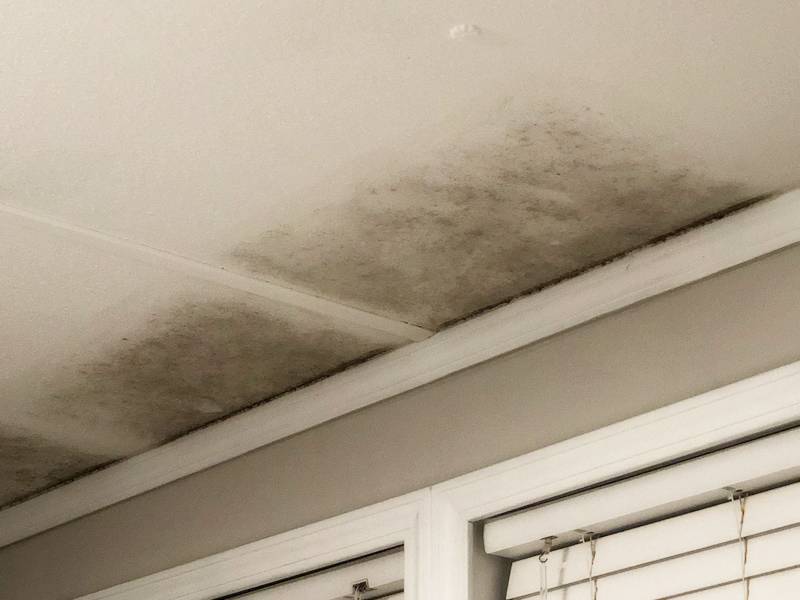
3. Water Stains and Discoloration on Ceilings or Walls
Water stains are one of the most common early warning signs of mold growth. It’s easy to think they’re just an old stain or a cosmetic issue. But discoloration or water stains—especially if they won’t wash off—can point to a hidden moisture problem that encourages mold growth behind the surface.
Look for:
- Yellow, brown, or gray stains on ceilings, walls, or baseboards
- Patches of discoloration that seem to grow or darken over time
Don’t ignore water stains; they can lead to more severe mold issues down the road.
4. Increased Humidity or Air That Feels Stuffy
Humidity is one of the primary factors fueling mold growth in South Florida. You might feel that the air is heavier, damp, or stuffy, but high humidity levels are often dismissed as just the climate. In reality, excess moisture in the air is one of the most common causes of mold growth.
You may notice:
- Increased humidity in your home despite air conditioning
- Air that feels thick or uncomfortable
- Persistent moisture or condensation indoors, even when it’s dry outside
Humidity control is key to preventing mold, and in many cases, using a dehumidifier or improving ventilation can make a big difference.
5. Visible Mold Spots on Surfaces
While visible mold may seem like a late-stage problem, small, early mold spots can appear long before the issue spreads throughout the home. It’s easy to ignore small patches, but they often signal hidden mold or water buildup behind the surface.
Look for:
- Small dark spots or discoloration that resemble mold, especially in damp areas like bathrooms, kitchens, or basements
- Mold appearing in corners or edges where moisture collects
Even a small mold spot can be an early indicator of a more widespread problem that needs immediate attention.
6. Increased Allergy Symptoms Indoors
If you’ve noticed that your allergy symptoms worsen at home—especially when you’re inside for extended periods—it could be an early sign that mold spores are in the air.
Symptoms to watch for:
- Sneezing, coughing, or wheezing
- Itchy or watery eyes
- Nasal congestion or sinus pressure
Mold spores irritate respiratory systems, and persistent indoor exposure can make allergy symptoms worse. This is an early warning that mold might be circulating through the air.
What Most People Get Wrong: Mold Only Appears After Water Damage
Many homeowners assume that mold is only an issue after major water damage, like a flood or burst pipe. In South Florida, mold doesn’t need a flood to thrive. Small leaks, poor ventilation, and ongoing humidity issues provide the moisture mold needs to grow.
In fact, many cases of mold we see in Pompano Beach homes come from things like:
- A small plumbing leak in a bathroom wall
- A poorly sealed window where rainwater enters slowly over time
- High humidity in a closet that lacks proper airflow
It’s important to remember that mold doesn’t need a dramatic event to start; it just needs consistent moisture.
Why DIY Mold Solutions Don’t Work
When mold starts showing up, many homeowners try DIY solutions, from bleach to scrubbing with cleaning products. However, these solutions don’t address the real cause—moisture.
Common DIY issues:
- Cleaning surfaces doesn’t address the underlying moisture, which allows mold to grow again.
- Mold behind walls or under flooring isn’t accessible without professional remediation.
- Spreading mold spores during cleaning efforts can worsen the problem.
Effective mold removal involves moisture control, proper remediation, and ensuring airflow to prevent future growth.
What to Do When You Spot Early Mold Signs
Early intervention is the key to avoiding costly repairs and health issues. If you notice any early signs of mold:
- Investigate moisture sources: Look for leaks, humidity issues, or poor ventilation.
- Fix leaks promptly: Whether it’s plumbing, roofing, or AC-related, stop moisture at the source.
- Use dehumidifiers: Control humidity levels in your home, especially in damp areas like basements, bathrooms, or kitchens.
- Call a professional: If you notice mold, contact a professional mold inspector to assess the extent of the issue.
Taking action quickly can prevent small problems from turning into major ones.
Final Thoughts: Don’t Wait for Mold to Take Over
Mold doesn’t grow overnight—it slowly feeds off moisture that goes unnoticed for weeks or months. By understanding the early warning signs of mold and paying attention to moisture levels in your home, you can stop mold growth before it becomes a serious problem.
In South Florida homes, humidity control, moisture management, and proactive inspections are your best tools in preventing mold from taking root. By acting early, you protect your health, your home, and your wallet.
The most important takeaway:
Address moisture before mold can take hold, and mold will never get the chance to dominate your home.
