
Mold and Allergies: What Homeowners Should Know – A Homeowner’s Guide for Homes in Sunrise
Mold and allergies go hand-in-hand more than most people realize. In Sunrise homes, mold often lurks in hidden, damp areas, releasing spores that trigger allergic reactions and worsen symptoms. What homeowners often don’t realize is that mold exposure doesn’t always require visible mold patches on walls or ceilings. The early signs of mold-related allergy issues are often subtle—like sneezing, coughing, or sinus congestion—but left unchecked, they can lead to long-term health problems.
In this homeowner’s guide, we’ll explore the connection between mold and allergies, provide insights on how mold affects your health, and offer practical advice on how to deal with mold in Sunrise homes. This isn’t about fear—it’s about understanding the problem and taking informed steps to improve both your home’s air quality and your overall well-being.
How Mold and Allergies Are Connected
Mold is a type of fungus that produces tiny spores, which are released into the air. These spores can be inhaled, irritating the respiratory system and triggering allergic reactions in sensitive individuals. Mold spores are found almost everywhere—both indoors and outdoors—but the concentration of mold indoors often presents a more significant problem because of controlled, damp environments like bathrooms, kitchens, and HVAC systems.
In Sunrise homes, high humidity levels and moisture-related issues (like leaks or poor ventilation) make it especially easy for mold to grow, meaning the number of spores in the air rises, worsening allergy symptoms. Here’s how mold can affect people with allergies:
- Inhaled mold spores can cause symptoms like sneezing, coughing, and watery eyes.
- Prolonged exposure to mold can increase the severity of allergic reactions, causing sinus infections, asthma attacks, or worsening other respiratory conditions.
- Mold exposure has been linked to chronic fatigue, headaches, and difficulty concentrating, especially for individuals with asthma or those already prone to respiratory issues.
The Hidden Danger: Mold Isn’t Always Visible
One of the biggest misconceptions about mold and allergies is that mold needs to be visible for it to affect air quality and trigger allergy symptoms. Invisible mold spores can spread through the air, affecting homeowners long before they ever spot mold on their walls or ceilings.
Here are some places where mold often hides:
- Behind drywall where moisture has seeped in but the surface looks unaffected
- Inside HVAC systems, where mold thrives in damp, dark ducts or air handlers
- Under sinks and behind toilets in bathrooms, where plumbing leaks and humidity create ideal conditions
- In the attic or basement, where ventilation problems and poor insulation allow moisture to linger
These hidden mold sources can affect your air quality and trigger allergy symptoms without any visible signs. Mold often spreads through the home via the HVAC system or natural airflow, circulating spores in every room.
Common Allergy Symptoms Linked to Mold Exposure
Mold’s effects on health can vary from mild to severe, but common allergy symptoms include:
- Sneezing
- Coughing or frequent throat clearing
- Wheezing or shortness of breath
- Itchy or watery eyes
- Runny nose or sinus congestion
- Fatigue or trouble sleeping
If you notice that your allergy symptoms get worse when you’re indoors—especially when you’re in areas with poor ventilation or high humidity—you may be dealing with mold. Symptoms often improve when you leave the home or the affected area.
Mold and Asthma: A More Serious Link
Mold exposure doesn’t just trigger regular allergy symptoms—it can also worsen asthma. In fact, studies have shown that mold exposure can increase asthma symptoms or cause asthma attacks in individuals who have pre-existing respiratory conditions.
Asthma symptoms that are aggravated by mold exposure include:
- Shortness of breath or wheezing
- Tightness in the chest
- Coughing, especially at night or during physical activity
In homes with high humidity or moisture problems in Sunrise, mold-related asthma attacks can become a common occurrence if the issue isn’t addressed. People with asthma should be especially vigilant about controlling indoor moisture to prevent mold from taking hold.
Common Myths About Mold and Allergies
It’s easy to fall victim to myths when it comes to mold and allergies. Here are a few of the most common misconceptions:
Myth #1: If You Don’t See Mold, You Don’t Have a Problem
As mentioned earlier, mold can be hidden and still affect your health. The presence of mold spores in the air doesn’t require visible mold patches to be harmful. Even invisible mold can trigger allergic reactions and worsen symptoms.
Myth #2: Bleach Can Fix Mold and Prevent Allergies
While bleach can clean visible mold, it doesn’t address the underlying moisture problem or the spores hidden behind walls and in HVAC systems. Bleach might make mold look better temporarily, but it won’t solve the root cause of the problem, which is moisture.
Myth #3: Mold and Allergies Are Only a Problem for People with Asthma
While asthma sufferers are more likely to experience severe symptoms from mold exposure, everyone is at risk for allergic reactions, regardless of pre-existing conditions. Mold can affect anyone who is sensitive to airborne allergens.
How to Identify Mold in Your Home
Mold isn’t always obvious, but there are common signs you can look for in your home to help identify where mold might be growing:
- Musty or earthy odors, especially when the HVAC system is running
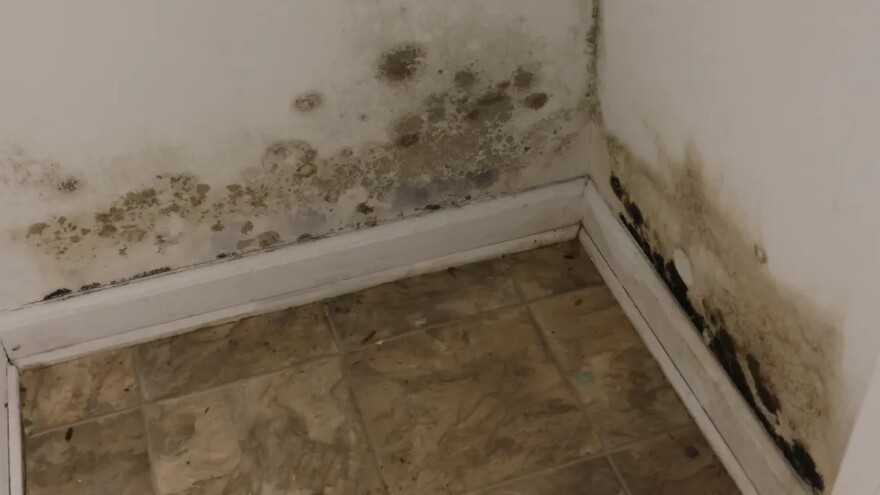
- Visible mold spots, which may appear black, green, or fuzzy on walls, ceilings, or floors
- Water stains or discoloration on walls, ceilings, or baseboards that won’t go away
- Increased humidity or condensation on windows, walls, or floors
- Allergy symptoms that worsen indoors, especially when spending time in specific rooms like bathrooms or basements
If you notice any of these signs, it’s time to investigate moisture levels and schedule a mold inspection.
Preventing Mold and Allergies in Sunrise Homes
Mold prevention is the best way to protect your home and your health. In Sunrise, mold thrives in areas with high humidity, poor ventilation, and unchecked moisture. By controlling moisture levels, you can significantly reduce the likelihood of mold growth.
Here are some key steps to prevent mold and protect your indoor air quality:
- Control indoor humidity: Use dehumidifiers to keep indoor humidity below 60%.
- Improve ventilation: Ensure bathrooms, kitchens, and laundry rooms are properly ventilated to reduce moisture buildup.
- Fix leaks immediately: Plumbing leaks, roof leaks, or leaks around windows should be repaired right away to prevent moisture accumulation.
- Maintain your HVAC system: Clean and service your HVAC system regularly to prevent condensation inside ducts and air handlers.
- Inspect for hidden mold: Regularly check areas like behind walls, under sinks, and in attics or basements for signs of mold growth.
What to Do if You Have Mold-Related Allergy Symptoms
If you’ve been exposed to mold and your allergy symptoms persist:
- Consult a doctor: Allergists or respiratory specialists can help you manage mold-related symptoms and determine the severity of your reactions.
- Get a mold inspection: Professional mold inspectors can identify hidden mold and moisture issues that you might miss on your own.
- Address moisture sources: Fix leaks, improve ventilation, and use dehumidifiers to control the environment and reduce the likelihood of mold regrowth.
- Consider mold remediation: If mold growth is significant, call in a professional mold remediation service to remove the mold and prevent future problems.
Final Thoughts: Mold Doesn’t Have to Be a Hidden Threat
Mold and allergies are closely linked, and managing indoor moisture is the key to keeping both under control. In Sunrise homes, mold doesn’t have to become a major problem if it’s addressed early. By paying attention to early signs of moisture and mold, controlling humidity, and maintaining a clean, well-ventilated home, you can keep your home safe and your indoor air quality healthy.
The most important takeaway:
Control moisture, monitor symptoms, and take early action to prevent mold from impacting your health and home.
