
You’re Only Treating What You Can See
If you live in Florida, especially in cities like Hollywood, Tamarac, Fort Lauderdale, or Oakland Park, you already know how relentless the humidity can be. That sticky, heavy air isn’t just uncomfortable—it’s a playground for mold. Many homeowners make the classic mistake of thinking that mold is only a surface problem. They see a black patch on the wall or a musty corner in the closet, give it a quick scrub, and think the problem is solved. Spoiler alert: it isn’t.
Mold is sneaky. In most Florida homes, what you can see is only a fraction of the problem. Hidden colonies lurk behind walls, under floors, in attics, crawlspaces, and inside your HVAC system. If you’re only treating the visible areas, you’re missing the bigger picture—and letting the mold silently spread. Let’s break it down, explore real inspection data, understand the risks, and cover expert advice to truly tackle mold in your home.
Why Visible Mold is Misleading
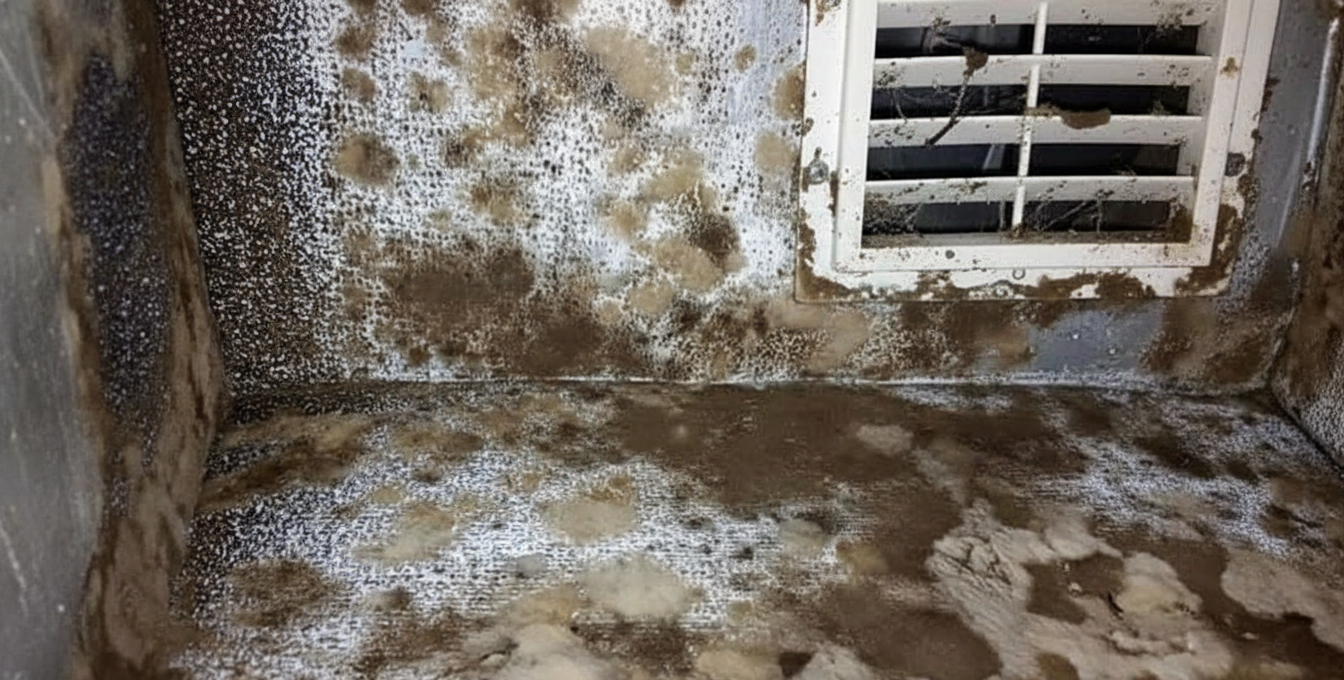
It’s easy to assume that if you can’t see mold, it doesn’t exist. In reality, the small black, green, or gray patch you spot on drywall is often just the tip of the iceberg.
- Hidden growth: Mold thrives in porous materials like drywall, wood, insulation, and carpeting. These colonies can expand behind surfaces where you can’t see them.
- Airborne spores: Even a small visible patch can release spores into your home, which can settle elsewhere and grow.
- Moisture is everywhere: Florida’s high humidity, combined with AC condensation, plumbing leaks, and storm damage, creates hidden moist zones perfect for mold.
Inspections in Tamarac, Hollywood, and Oakland Park show that over 80% of homes with visible mold also have hidden colonies elsewhere in the structure.
Common Hiding Spots for Mold
Mold doesn’t just stay on the wall or ceiling—it spreads wherever it finds moisture and organic material. Common hiding spots include:
1. Inside Walls
- Leaky plumbing, AC condensation, or roof leaks saturate drywall and framing.
- Mold can grow unseen for months or even years.
- Wall cavities often allow mold to spread vertically and horizontally without detection.
2. Under Flooring
- Carpets, laminate, or tile over concrete slabs can trap moisture from leaks or high humidity.
- Mold under flooring often releases spores into the air, affecting indoor air quality without visible signs.
3. Attics and Crawlspaces
- Poor ventilation, roof leaks, or storm damage make attics a mold playground.
- Crawlspaces with limited airflow trap humidity, fostering hidden colonies.
4. HVAC Systems
- Air handlers, ducts, and evaporator coils provide moisture and dust for mold growth.
- Contaminated HVAC systems can circulate spores throughout the home, spreading hidden colonies far beyond the initial problem.
5. Cabinets and Closets
- Humid, low-ventilation storage areas can harbor mold on wood, cardboard, or fabrics.
- Spores can travel when doors are opened, contaminating other areas.
Health Impacts of Hidden Mold
Hidden mold doesn’t just sit quietly—it affects the air you breathe and the health of your household:
- Allergic reactions: Sneezing, itchy eyes, post-nasal drip, congestion
- Respiratory problems: Chronic coughing, asthma flare-ups, wheezing
- Fatigue and brain fog: Microbial volatile organic compounds (MVOCs) can affect energy and concentration
- Skin irritation: Rashes or hives
Children, seniors, and people with respiratory conditions are particularly vulnerable. Often, symptoms improve when leaving the home, which is a key sign that hidden mold is at play.
Why DIY Cleaning Often Fails
Many homeowners attempt DIY solutions like scrubbing walls, spraying bleach, or using store-bought mold cleaners. Here’s why it usually fails:
- Surface-only treatment: Bleach kills spores on the surface but doesn’t reach hyphae inside porous materials like drywall or wood.
- Ignoring moisture: Without fixing leaks, condensation, or high humidity, mold regrows quickly.
- Airborne spores: Cleaning a visible patch doesn’t stop spores from spreading from hidden colonies.
- Incomplete cleaning: Carpets, fabrics, and ductwork often remain contaminated.
In fact, DIY cleaning can sometimes worsen the problem, releasing spores into the air and contaminating other areas.
Insights From Professional Inspections
Real inspections in Florida homes reveal just how widespread hidden mold can be:
- 80–85% of homes with visible mold also have hidden growth in walls, flooring, or HVAC systems.
- Homes relying only on DIY cleaning see recurrence rates above 70%.
- Professional remediation, which includes moisture control, removal of contaminated materials, and HVAC cleaning, reduces recurrence to under 20%.
This data makes one thing clear: treating only what you can see isn’t enough.
How Professionals Address Hidden Mold
Professional mold remediation goes far beyond scrubbing walls. Here’s the typical approach:
Step 1: Identify Moisture Sources
- Locate leaks, AC condensation, roof damage, and other moisture issues.
- Fixing these sources is critical—without it, mold will return no matter what you clean.
Step 2: Contain the Affected Area
- Plastic barriers and negative air machines prevent spores from spreading during remediation.
Step 3: Remove Contaminated Materials
- Drywall, insulation, and carpeting are often removed.
- Non-porous surfaces are cleaned using HEPA vacuuming and antimicrobial treatments.
Step 4: Inspect and Clean HVAC Systems
- Ducts, coils, and air handlers are inspected and cleaned.
- Moisture problems inside the system are corrected to prevent regrowth.
Step 5: Verify Remediation
- Air and surface testing ensures spore counts are back to safe levels.
- Follow-up inspections confirm no new moisture or mold is present.
Preventing Hidden Mold Recurrence
- Maintain indoor humidity at 45–55%
- Vent bathrooms, kitchens, and laundry areas to the outside
- Inspect and maintain AC systems, including coils, drains, and ducts
- Address musty odors immediately
- Use moisture meters or thermal imaging to detect hidden leaks
Proactive monitoring and early intervention reduce the likelihood of repeated mold problems.
Why Early Action Matters
Ignoring hidden mold leads to:
- Poor indoor air quality and chronic health issues
- Structural damage to walls, flooring, and ceilings
- Musty odors that persist even after surface cleaning
- Increased remediation costs over time
Data consistently shows that homes with early inspections and professional remediation have far lower recurrence rates than those relying on DIY or surface-only methods.
The Bottom Line
Mold isn’t just what you can see—it’s a hidden problem that thrives in Florida’s humid environment. Surface cleaning may make your walls look better, but it does nothing to stop hidden colonies behind walls, under floors, in attics, crawlspaces, or HVAC systems.
To truly protect your home and health:
- Inspect for hidden mold
- Identify and fix moisture sources
- Perform professional remediation, including HVAC cleaning
- Maintain proper humidity and ventilation
Remember: you’re only treating what you can see—and in Florida homes, that’s almost never enough.
