
Mold Isn’t Just a Surface Problem
If you think mold is just those ugly black spots on your bathroom wall or the funky smell in your closet, think again. In Florida, especially in humid areas like Tamarac, Hollywood, or Fort Lauderdale, mold is a hidden menace—and what you see is often only a small fraction of what’s really going on behind the walls, under floors, and inside HVAC systems.
Most homeowners focus on surface cleaning. They wipe a patch of mold, maybe spray some bleach, and pat themselves on the back. The problem? That’s like putting a band-aid on a leaky pipe. You’re treating a symptom, not the source. Let’s break down why mold isn’t just a surface problem, what the data tells us, and practical advice from experts to truly protect your home and health.
Why Surface Mold Is Misleading
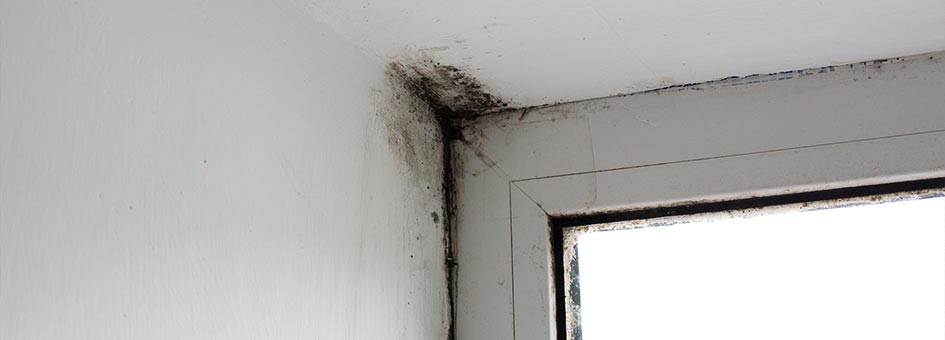
Most people assume that if they can’t see mold, it isn’t there. Real data from Florida homes shows otherwise:
- Over 80% of homes with visible water stains also have hidden mold inside walls or under floors.
- More than 60% of musty odor complaints are linked to mold that isn’t visible to the naked eye.
- HVAC contamination is common, meaning spores circulate throughout the home even when walls and ceilings appear clean.
Surface mold is just the tip of the iceberg. Underneath, colonies can spread across wood, drywall, insulation, and other porous materials.
How Mold Hides
Mold loves moisture. And Florida homes provide plenty: high humidity, frequent storms, AC condensation, and occasional plumbing leaks. The hidden spots mold favors include:
1. Behind Walls
Leaky pipes, roof leaks, or condensation can saturate drywall and framing. By the time homeowners notice discoloration or staining, mold has often been growing for months.
2. Under Flooring
Carpets, laminate, and even tile over concrete slabs trap moisture. Hidden mold here releases spores into your home, affecting indoor air quality without any visible signs.
3. Attics and Roof Spaces
Poor ventilation, storm leaks, and damp insulation make attics a prime hiding spot. Musty odors are usually the first clue—but sometimes they’re subtle and easily ignored.
4. Inside HVAC Systems
Your AC system can circulate spores throughout your home. Dust, moisture, and organic debris in ductwork or on coils provide mold with both food and water. Even homes with no visible wall mold can have contaminated air circulating for years.
Health Implications of Hidden Mold
Hidden mold doesn’t just stay behind walls—it affects your air and your body:
- Allergic reactions: sneezing, runny nose, itchy eyes
- Respiratory issues: coughing, wheezing, and asthma flare-ups
- Fatigue and cognitive issues: brain fog and low energy
- Skin irritation: rashes or hives
People with asthma, children, seniors, or those with immune issues are particularly vulnerable. Symptoms often improve temporarily when you leave the house, which is a big clue that your indoor environment is the culprit.
Why DIY Cleaning Often Fails
Many homeowners try to fix the problem themselves with bleach, sprays, or scrubbing. Here’s why it usually fails:
- Surface treatment only: Bleach kills visible spores but doesn’t reach hyphae inside drywall, wood, or insulation.
- Missed moisture sources: If leaks or AC condensation aren’t addressed, mold will return quickly.
- Airborne spores: Cleaning surfaces doesn’t remove spores circulating in the HVAC system or home air.
- Incomplete cleaning: Porous materials like carpet, wallpaper, and insulation can harbor mold deep inside.
The result? Mold comes back, sometimes stronger than before, leaving homeowners frustrated and confused.
What Experts Recommend
Proper mold removal goes beyond wiping surfaces. It’s about identifying moisture, containing contamination, removing affected materials, and verifying air quality.
Step 1: Identify Moisture Sources
- Plumbing leaks, roof leaks, window condensation, and AC drainage issues must be located and fixed.
Step 2: Containment
- Contain affected areas with plastic barriers and negative air pressure to prevent spore spread during remediation.
Step 3: Material Removal
- Remove contaminated drywall, insulation, and carpets if necessary.
- Clean non-porous surfaces with HEPA vacuuming and antimicrobial treatments.
Step 4: HVAC Cleaning
- Inspect and clean air handlers, evaporator coils, and ducts.
- Treat any moisture issues inside the system to prevent recurrence.
Step 5: Post-Remediation Verification
- Air and surface testing ensure spore counts are back to safe levels.
Prevention Tips
- Maintain indoor humidity between 45–55%
- Vent bathrooms, kitchens, and laundry areas to the outside
- Inspect roofs, plumbing, and AC systems regularly
- Address musty odors immediately
- Use moisture meters or thermal imaging for hidden leaks
Prevention is far easier and cheaper than repeated remediation.
The Data Doesn’t Lie
Real inspections in Florida homes consistently show:
- Hidden mold is far more common than visible mold
- Recurring issues almost always stem from untreated moisture
- DIY cleaning alone fails in over 80% of cases
- HVAC systems are frequently overlooked but critical in mold spread
Ignoring these facts can cost homeowners both health and money.
Bottom Line
Mold isn’t just a surface problem. It’s a moisture-driven, hidden, and sometimes airborne menace. Surface cleaning might make your walls look better, but it doesn’t fix the underlying issue.
In humid Florida homes, especially in cities like Tamarac, Hollywood, Fort Lauderdale, or Oakland Park, proactive inspections, moisture control, and professional remediation are essential. Addressing mold early protects your home, your family’s health, and your wallet.
So next time you see a small spot of mold, don’t just wipe it away—dig deeper, check moisture sources, and make sure you’re not only cleaning the surface but tackling the real problem.
