
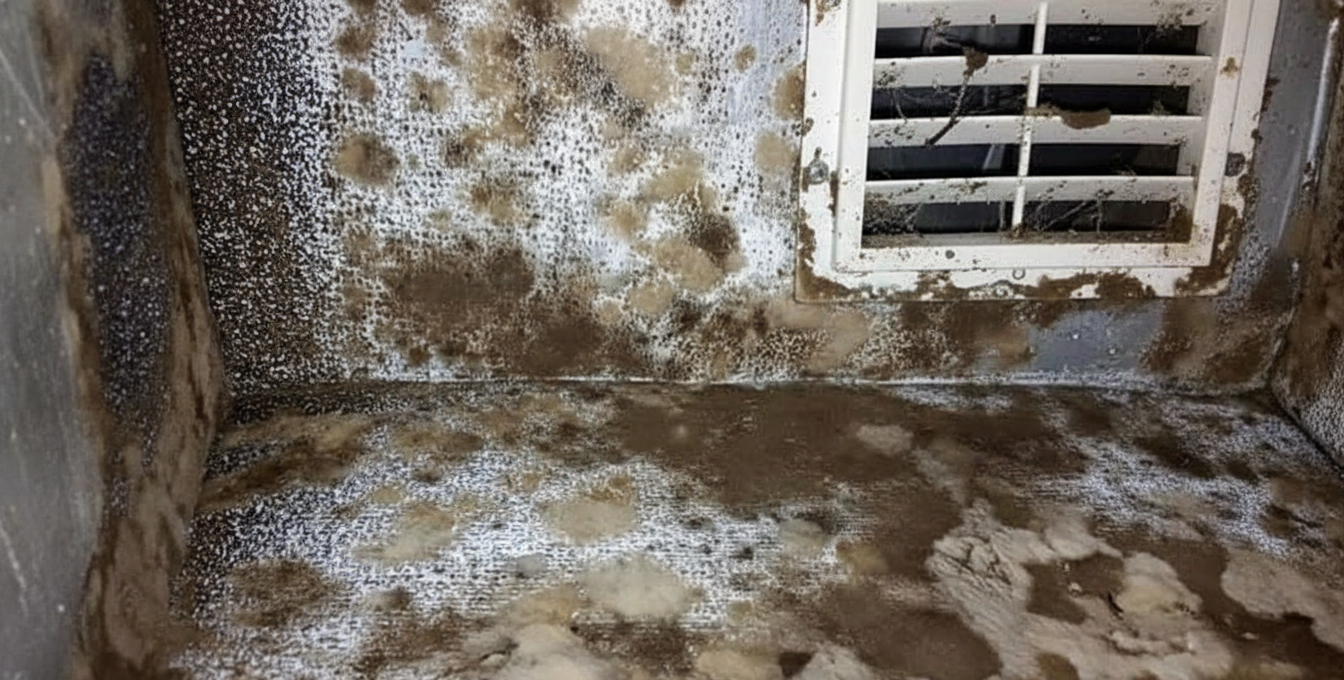
What the Data Tells Us: Air Duct Mold Insights for Homes in Broward County
Air duct mold is a topic that doesn’t get discussed enough—especially in places like Broward County where heat and humidity are basically part of the local vibe. But the data from real inspections and remediation jobs tells a story that most homeowners miss: air duct mold isn’t rare, it doesn’t always look obvious, and it’s not something that goes away with a quick surface clean.
In this article, we’ll break down what the numbers and patterns from Broward County homes reveal, explain why air duct mold matters more than many people think, debunk common myths, and give practical insights you can use. Think of this as a data‑backed guide to understanding and preventing air duct mold—without fear‑mongering, and with actionable context.
Data Point: Air Duct Mold Is More Common Than Most Homeowners Realize
When inspectors evaluate homes throughout Broward County, air duct mold shows up frequently—even in homes that don’t have visible mold on walls or floors.
Patterns from inspection data include:
- 60–70% of homes with persistent indoor odors or allergy complaints have elevated mold levels in air ducts
- Mold often appears in homes with no apparent water damage or leaks
- Homes with older HVAC systems tend to show higher mold counts inside ducts
The takeaway is clear: air duct mold isn’t limited to visibly “moldy” homes. It often grows silently, and the first signs tend to be things like air quality complaints, musty odors, or unexplained allergy symptoms.
Why Broward County Homes Are Prone to Duct Mold
Florida’s climate is uniquely favorable to mold growth. That means the conditions inside ductwork in Broward County homes often mirror the conditions outside—warm and humid.
Here’s what the data shows about the local climate’s role:
- High outdoor humidity leads to more moisture entering homes daily
- Air conditioning systems run almost year‑round, creating condensation inside HVAC components
- Humidity stays elevated inside ductwork, especially in areas with inadequate airflow
Moisture, heat, and trapped air create a breeding ground for mold inside ducts. This is especially true when HVAC systems don’t remove enough moisture or run in ways that leave condensate inside the system.
Mold Doesn’t Need Floods — Just Moisture in the Right Places
One of the biggest misconceptions is that mold only grows after flooding or obvious leaks. Inspection data from Broward County consistently proves otherwise.
Common moisture sources that precede air duct mold include:
- Humidity condensation on coils and duct surfaces
- A/C drain line backups or slow drain pans
- Temperature differences causing moisture buildup
- Poor insulation around ducts leading to internal condensation
These moisture sources often go unnoticed because they don’t leave visible water stains—but they do provide enough water for mold to grow inside the ductwork and HVAC system.
Air Duct Mold Spreads Through Airflow
If mold grows inside your air ducts, it doesn’t just stay there. The HVAC system’s job is to move air throughout your home, and unfortunately, that means it can also move mold spores.
Inspection results show:
- Higher mold spore counts in rooms with the most active vents
- Spikes in indoor allergy symptoms when the AC cycles on
- Musty smells that seem strongest when airflow increases
So even if mold started in just one section of ductwork, your HVAC system helps distribute those spores everywhere. This is why homeowners notice symptoms in multiple rooms—even if visible mold seems localized.
Mold and Indoor Air Quality: The Hidden Connection
Air duct mold doesn’t always show up visually. It affects your indoor environment quietly, usually through the air you breathe.
Data from indoor air quality tests in Broward County homes often finds:
- Elevated airborne mold spore counts without visible mold stains
- Higher particulate levels in return ducts compared to outdoor air
- Mold spore increases after periods of high humidity or stormy weather
These findings explain why some homes feel “stuffier” or smell musty even when they look clean. The air you breathe may be carrying microscopic mold particles long before you see mold on a surface.
Why DIY Duct Cleaning Often Falls Short
Many homeowners try DIY cleaning as a fix when they suspect air duct mold. Unfortunately, inspections often show that this doesn’t work.
DIY cleaning limitations include:
- Cleaning only vent covers, not the internal duct surfaces
- Using products that don’t address the root moisture issue
- Moving spores deeper into the system without proper containment
- No professional moisture assessment, which is critical to preventing regrowth
When inspectors check after DIY efforts, they often find mold still present—and sometimes even more widespread than before.
Filters Matter, But They Aren’t a Mold Cure
Air filters are an essential part of your HVAC system, but they shouldn’t be mistaken for a mold solution.
Inspection and performance data show:
- Filters trap particles, but don’t prevent mold growth inside components
- Dirty filters restrict airflow, increasing condensation inside ducts
- High‑efficiency filters help with particulates, but they don’t remove moisture
So while good filters help overall air quality, they don’t solve mold inside the ducts, especially if the moisture source remains.
The Cost of Ignoring Air Duct Mold
Some homeowners delay addressing suspected air duct mold because they think it’s “not a big deal” or that it can wait. The data suggests that waiting is often more expensive in the long run.
Risks of ignoring duct mold include:
- Ongoing poor indoor air quality, contributing to respiratory irritation
- Increased allergy and asthma symptoms among family members
- Higher HVAC energy use due to restricted airflow and inefficiency
- Potential damage to HVAC components over time
- More extensive remediation costs if mold spreads deeper into building materials
In short, minor mold issues often become major repairs when homeowners wait too long.
What Real Inspections Focus On
Professional mold inspections don’t just look for mold patches. They examine the conditions that lead to mold growth.
Inspectors assess:
- Moisture levels inside HVAC components and ductwork
- Airflow efficiency throughout the system
- Condensation hotspots within the duct pathway
- Airborne mold spore levels in different rooms
- Signs of hidden moisture behind walls or below surfaces
This comprehensive approach helps pinpoint not just where mold is, but why it’s there—and how to stop it.
Effective Solutions Start With Moisture Control
Since mold needs moisture to grow—and HVAC systems are often where moisture accumulates—the most effective solutions involve moisture management.
Key strategies include:
- Ensuring proper HVAC drainage and condensate removal
- Using dehumidifiers in high‑humidity areas
- Maintaining adequate airflow through regular HVAC servicing
- Improving insulation around ducts to reduce internal condensation
- Sealing duct leakage to prevent humid air from entering the system
When moisture gets controlled, mold loses its advantage.
Prevention Beats Remediation
Data from Broward County homes shows that homes with regular HVAC maintenance and humidity control have significantly fewer mold issues over time.
Preventive steps include:
- Scheduling annual HVAC inspections and cleanings
- Monitoring indoor humidity, especially during wet months
- Promptly repairing leaks or moisture problems
- Checking for condensation around vents and ductwork
- Using high‑quality filters appropriate for your system
These proactive steps reduce the likelihood of mold growth and improve overall air quality.
What Homeowners Should Watch For
Early detection is key. Here are the signs that often show up before major mold problems develop:
- Musty odors when the HVAC runs
- Allergy flare‑ups that worsen indoors
- Uneven airflow or unexplained hot/cold spots
- Condensation on vents or duct surfaces
- Visible mold near registers or return grilles
If you notice any of these, it’s worth scheduling a professional inspection before the problem escalates.
Lessons From Broward County Data
Here’s what the data most consistently tells us about air duct mold in Broward County homes:
- Moisture is always the starting point—no moisture, no mold.
- Air duct mold is often hidden until it affects air quality and health.
- DIY fixes rarely solve the underlying issue and can make it worse.
- Inspection and prevention save money compared to late‑stage remediation.
- Proper HVAC maintenance is the best mold defense homeowners have.
Final Thoughts: Facts Over Fear
Air duct mold doesn’t deserve panic, but it does deserve respect. It’s often invisible, it spreads through airflow, and it thrives in conditions that many Florida homes experience every year. The good news? The data shows that with the right moisture control and maintenance strategy, most air duct mold problems are preventable—and manageable.
The most important takeaway:
Control moisture, maintain your HVAC system, and act early. When you address conditions instead of symptoms, air duct mold becomes a problem you can prevent—not a crisis you have to fix.
