
Lessons From Real Inspections: Mold Remediation Insights for Homes in Broward County
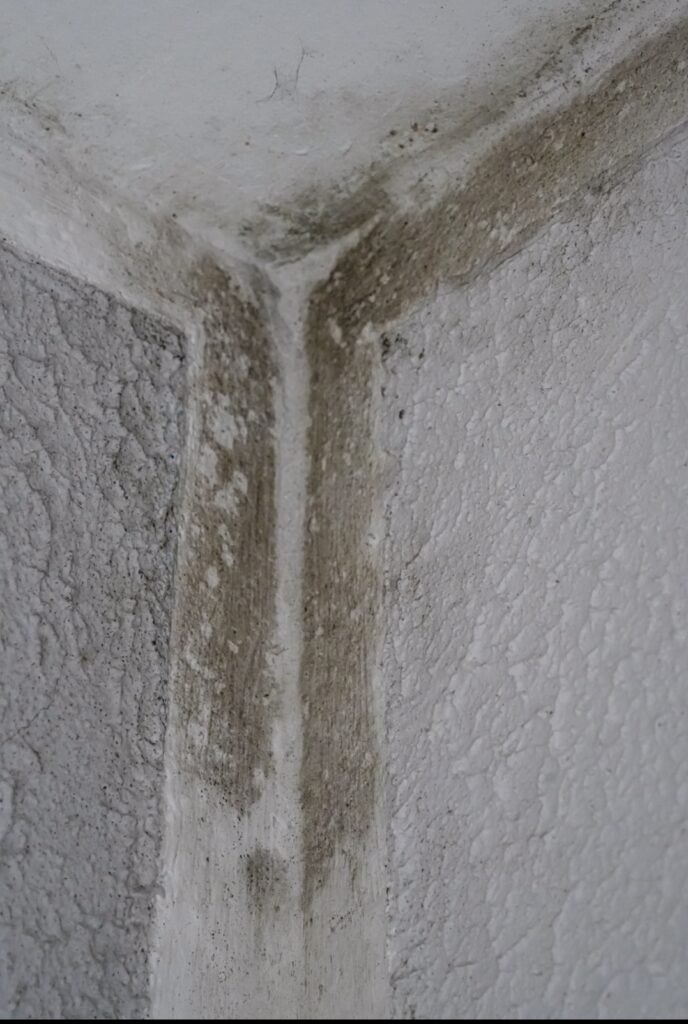
After hundreds of real inspections across Broward County, one thing is crystal clear: most mold problems are already advanced by the time homeowners notice them.
Mold rarely starts with fuzzy black spots on the wall. It starts with moisture—quiet, hidden, and ignored. These are the real-world lessons we see again and again inside Broward homes, pulled straight from actual inspection findings.
Lesson #1: Mold Is Usually a Symptom, Not the Real Problem
Homeowners often focus on what they can see. Inspectors focus on why it’s there.
In real inspections, mold almost always traces back to:
- Ongoing moisture inside walls
- Old leaks that were “repaired” cosmetically
- AC-related humidity issues
- Poor ventilation in bathrooms or attics
Removing mold without fixing the moisture source is a temporary fix. The mold almost always comes back.
Lesson #2: “No Smell” Doesn’t Mean No Mold
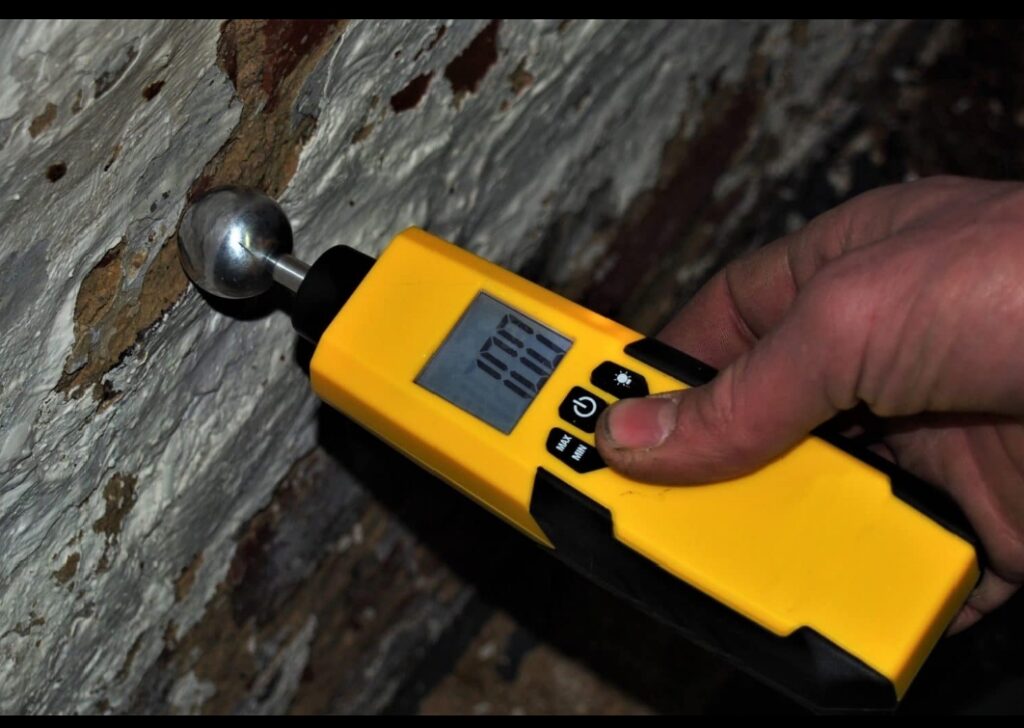
Many Broward County homes with confirmed mold issues had no noticeable odor.
Why?
- Mold hidden inside wall cavities
- Growth behind cabinets or vanities
- Mold under flooring or baseboards
- Attic mold isolated from living areas
By the time a musty smell appears, the growth is usually widespread.
Lesson #3: Air Conditioning Is Involved More Than You Think
In South Florida, the AC system is one of the biggest contributors to mold conditions.
Inspection patterns we see:
- Condensate drain backups soaking walls
- Leaking air handlers in closets
- Oversized units short-cycling and leaving humidity behind
- Sweating ductwork in attics
When humidity stays high indoors, mold doesn’t need much time—or moisture—to grow.
Lesson #4: Attics Are Mold Hotspots
Attics are one of the most overlooked areas during basic inspections.
Real findings include:
- Roof leaks that never reached ceilings
- Trapped humidity due to poor ventilation
- Mold growing on roof decking and trusses
- Insulation saturated from duct condensation
Even though attic mold is “out of sight,” it still affects indoor air quality.
Lesson #5: Cosmetic Repairs Hide Serious Problems
Fresh paint. New drywall patches. Recently replaced baseboards.
These often raise red flags during inspections.
Why?
- Paint seals moisture inside walls
- Drywall patches cover leaks without drying the structure
- Baseboards hide slab moisture and wicking
Some of the worst mold cases in Broward County were found behind brand-new finishes.
Lesson #6: Older Homes and Renovated Homes Are High Risk
Both ends of the spectrum have problems—just for different reasons.
Older homes:
- Aging plumbing
- Original windows and roofs
- Long-term moisture exposure
Renovated homes:
- Trapped moisture from rushed construction
- Poor ventilation upgrades
- Materials sealed before fully drying
Inspections regularly reveal mold in homes that were remodeled less than two years ago.
Lesson #7: Mold Spreads Before Anyone Feels Sick
Many homeowners assume health symptoms will appear early. In reality, mold often spreads long before symptoms show up.
By the time people notice:
- Chronic allergies
- Headaches
- Breathing irritation
The mold issue is usually well-established.
The Biggest Takeaway From Real Mold Inspections
The biggest lesson from Broward County homes is simple:
Waiting for visible mold is the most expensive mistake homeowners make.
Moisture issues don’t resolve themselves. Mold doesn’t disappear on its own. And surface cleaning doesn’t fix structural contamination.
Catching problems early—before mold spreads—saves money, protects the home, and keeps indoor air healthier.
If your home has a history of leaks, high humidity, AC issues, or unexplained odors, there’s a strong chance mold conditions exist where you can’t see them yet.
