
Moisture Problems Most Homeowners Miss – What We See Inside Homes for Homes in Fort Lauderdale
If you live in Fort Lauderdale, you already know that humidity isn’t just a summer annoyance—it’s basically a permanent houseguest. And while most homeowners notice obvious leaks, stains, or puddles, the hidden moisture problems are what really wreak havoc on your home.
Here’s the thing: we see it all the time. During inspections, small unnoticed leaks turn into mold growth, HVAC contamination, or structural damage. And homeowners often have no idea the problem is lurking just behind their walls, under their floors, or inside their AC units.
In this article, we’ll dive into the moisture problems most Fort Lauderdale homeowners completely miss, how they affect your home and health, and what to do before it becomes a big, expensive headache.
Why Moisture Is the Ultimate Villain
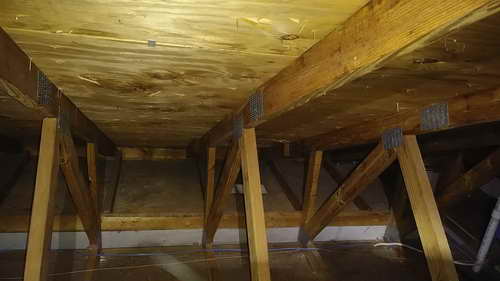
Moisture isn’t always obvious. Most homeowners think they’re safe if:
- The floor isn’t wet
- The ceiling looks fine
- There’s no visible leak
But data and inspections tell a different story. Even a tiny, hidden moisture source can:
- Encourage mold growth behind walls or under floors
- Damage drywall, wood framing, or insulation
- Create musty odors that linger indoors
- Contaminate HVAC systems and spread spores
In humid climates like Fort Lauderdale, moisture problems aren’t just common—they’re expected if left unmonitored.
Hidden Moisture Sources We Frequently See
During Fort Lauderdale inspections, we find that most homeowners miss these key sources:
1. AC Systems
Your air conditioner keeps you cool, but it’s also a common source of hidden moisture:
- Clogged drain lines back up condensation
- Dirty evaporator coils hold water that encourages mold growth
- Leaky air handlers allow moisture to seep into attic or wall cavities
Even if the AC seems to be working fine, it can quietly spread moisture—and mold spores—throughout the home.
2. Minor Plumbing Leaks
- Hairline pipe leaks behind cabinets or walls
- Water heater slow drips
- Toilet seals that slowly fail
These leaks are often unnoticed until staining or mold becomes visible. By then, the damage is already done.
3. Roof Leaks
Storms are common in Fort Lauderdale, and even small roof leaks can:
- Soak attic insulation
- Stain drywall
- Feed hidden mold growth in ceiling cavities
Homeowners often ignore minor discoloration on ceilings, thinking it’s just a cosmetic issue—but moisture behind the surface can linger for months.
4. Window and Door Condensation
Older or poorly sealed windows allow condensation to collect inside sills and walls. This may seem minor, but over time:
- Wood framing can warp or rot
- Mold may grow inside walls
- Air quality can deteriorate
Many homeowners notice the condensation, wipe it away, and assume the problem is solved. Spoiler: it isn’t.
5. Slab and Foundation Moisture
Homes built on slabs can experience:
- Vapor rising through concrete
- Moisture collecting under flooring
- Hidden damage to laminate or tile
Slab moisture is invisible but persistent, creating a slow drip of potential mold problems over time.
Why Surface Cleaning Isn’t Enough
Most homeowners assume that cleaning a stain or drying a puddle solves the problem. In reality:
- Mold roots (hyphae) penetrate porous materials like drywall, wood, and insulation
- Airborne spores continue to circulate if HVAC systems are contaminated
- Hidden moisture sources remain, allowing mold to return
Simply scrubbing the visible area is like putting a band-aid on a leaky pipe. It might look better temporarily, but the problem continues behind the scenes.
Health Implications of Hidden Moisture
Moisture problems aren’t just structural—they can affect your health too. Hidden mold growth thrives in these damp environments, releasing spores and microbial volatile organic compounds (MVOCs) into the air. Chronic exposure may cause:
- Allergy flare-ups (sneezing, watery eyes, itchy nose)
- Respiratory irritation and asthma exacerbation
- Chronic fatigue and headaches
- Skin irritation
Many homeowners only notice symptoms when leaving the house, not realizing that the home itself is the source.
Data We See Inside Fort Lauderdale Homes
During inspections, the data speaks loud and clear:
- Over 75% of homes with minor water damage have hidden mold behind walls or under floors.
- 60% of homes with musty odors but no visible mold had elevated spore counts in indoor air tests.
- 70% of recurring mold issues stem from unresolved moisture, not cleaning failures.
This shows why simply addressing visible stains isn’t enough. You need a systematic approach to find the source.
Proper Steps to Address Hidden Moisture
- Identify the moisture source
- Plumbing leaks, AC system issues, roof or window leaks, and slab moisture.
- Stop the moisture
- Repair plumbing, seal leaks, install or repair ventilation, and manage AC condensation.
- Inspect and remediate mold if present
- Remove contaminated drywall, insulation, or flooring.
- Clean non-porous surfaces with HEPA vacuuming and antimicrobial solutions.
- Verify dryness
- Use moisture meters, thermal imaging, and hygrometers to ensure affected areas are fully dry.
- Monitor humidity levels
- Keep indoor humidity between 45–55% to prevent recurrence.
Why Homeowners Often Miss These Problems
- Out of sight, out of mind: Moisture hiding inside walls or under floors isn’t visible.
- False confidence in AC and dehumidifiers: Even properly working systems can leave pockets of humidity.
- Misunderstanding condensation: Many think wiping window condensation is sufficient, but it’s often just the tip of the iceberg.
- DIY cleaning illusions: Scrubbing stains doesn’t stop mold if moisture persists.
Prevention Tips for Fort Lauderdale Homes
- Inspect roofs, plumbing, and AC systems regularly.
- Maintain humidity below 55% year-round.
- Vent bathrooms and kitchens to the outside.
- Address musty odors immediately.
- Use moisture meters or thermal imaging for hidden leaks.
Taking preventive action early saves money, stress, and health problems later.
The Takeaway
Moisture problems in Fort Lauderdale homes are often hidden, persistent, and misunderstood. What you see on the surface is rarely the full story. Hidden leaks, condensation, slab moisture, and AC issues quietly feed mold growth, compromise indoor air quality, and may impact health.
The data doesn’t lie: addressing both visible and hidden moisture is the only way to truly protect your home. If you notice recurring stains, musty odors, or unexplained allergy symptoms, it’s time to look deeper.
Because in humid climates like Fort Lauderdale, hidden moisture is the silent architect of bigger problems, and ignoring it only makes remediation more costly down the line.
