
Practical Advice From Experts: Mold Removal Insights for Homes in Hollywood
If you live in Hollywood, Florida, you’ve probably noticed how humidity isn’t just an annoyance—it’s basically part of your house. And where there’s humidity, mold isn’t far behind. The tricky part? Most homeowners think mold removal is as simple as scrubbing a wall or spraying bleach, but data and real inspections tell a very different story.
In this guide, we’ll dive into what we see inside Hollywood homes, why mold keeps coming back, the hidden dangers most people miss, and practical expert advice for getting it under control—without turning your life upside down.
Why Mold Loves Hollywood Homes
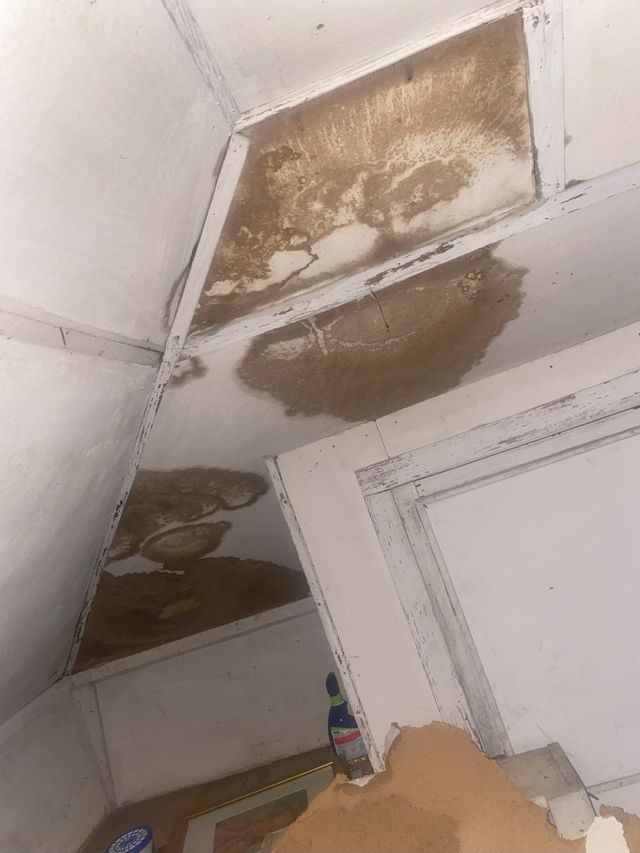
Hollywood’s climate is a perfect recipe for mold growth:
- High humidity year-round – Mold thrives above 55%, and Hollywood averages 70% most of the year.
- Frequent rainstorms – Even minor leaks can saturate walls, floors, and insulation without homeowners noticing.
- Older homes and renovations – Drywall, wood, and carpets absorb moisture, giving mold a cozy place to grow.
Even if you keep your house clean, these factors mean hidden mold often develops behind walls, under flooring, or inside HVAC systems.
Common Misconceptions About Mold Removal
Before we jump into expert advice, let’s bust some myths:
- “If I can’t see it, it isn’t there.” Wrong. Hidden mold can grow for months before showing signs.
- “Bleach or sprays will solve the problem.” Nope. Surface cleaning only removes visible spores, not the ones embedded in drywall, insulation, or wood.
- “Black mold is the only dangerous type.” False. While black mold (Stachybotrys) gets attention, Aspergillus, Cladosporium, and other common molds can still impact your health.
The bottom line: mold removal isn’t about appearances—it’s about addressing the source.
What We See Inside Hollywood Homes
During inspections, we often notice patterns homeowners overlook:
1. Hidden Behind Walls
Plumbing leaks, condensation, or roof water intrusion create ideal conditions for mold to colonize behind drywall. By the time homeowners notice, the colony is well-established.
2. Under Flooring
Laminate, carpet, or tile over concrete slabs often traps moisture. Mold growth under floors can release spores into the air, affecting indoor air quality.
3. Attics and Roof Spaces
Poor ventilation and minor roof leaks encourage mold in attic insulation and on wooden sheathing. Musty odors are usually the first sign, long before mold is visible.
4. Inside HVAC Systems
Air handlers, evaporator coils, and ductwork often harbor hidden mold. Once spores circulate through the HVAC system, even cleaned surfaces aren’t enough.
Health Effects of Mold Exposure
Mold isn’t just ugly—it can impact your health:
- Respiratory issues: Chronic coughing, wheezing, and asthma flare-ups
- Allergy symptoms: Sneezing, runny or blocked nose, itchy eyes
- Fatigue and cognitive effects: Brain fog and low energy
- Skin irritation: Rashes or hives
Children, seniors, and individuals with pre-existing conditions are especially sensitive. Often, people don’t realize their home is the source until symptoms improve when they leave the house.
Practical Steps for Effective Mold Removal
Step 1: Identify and Stop Moisture Sources
- Repair plumbing leaks
- Fix roof leaks and seal windows
- Ensure proper drainage around the home
- Service AC units to prevent condensation backups
Without eliminating the source of moisture, mold removal is only temporary.
Step 2: Contain the Affected Area
Professional mold removal includes containment to prevent spores from spreading during cleanup. Plastic barriers and negative air machines are often used to protect the rest of the home.
Step 3: Remove Contaminated Materials
- Drywall, insulation, and carpeting may need removal
- Porous materials that can’t be cleaned properly should be replaced
- Non-porous surfaces can be cleaned and disinfected
Step 4: Clean HVAC Systems
- HEPA vacuuming of ducts and coils
- Antimicrobial treatment to prevent regrowth
- Ensuring air handlers are dry before restarting
Step 5: Post-Remediation Verification
Professional air and surface testing ensures spore counts are back to safe levels and that mold won’t return.
DIY Isn’t Enough
Data shows that DIY mold removal fails over 80% of the time in humid climates like Hollywood. Surface cleaning alone doesn’t remove hidden colonies or spores in the air. And using bleach on drywall often damages the material without addressing the problem.
Preventing Mold from Returning
- Maintain indoor humidity between 45–55%
- Vent bathrooms, kitchens, and laundry areas to the outside
- Inspect roofs, plumbing, and AC units regularly
- Address musty odors immediately
- Use moisture meters or thermal imaging for hidden leaks
Prevention is far easier and cheaper than repeated remediation.
The Cost of Ignoring Mold
Ignoring mold can lead to:
- Increased remediation costs when colonies grow larger
- Structural damage to walls, floors, and ceilings
- Persistent health symptoms and medication costs
- Decreased home value
Early detection and professional removal are the most cost-effective strategies.
The Expert Takeaway
From inspections in Hollywood homes, the data is clear:
- Hidden mold is far more common than visible patches
- Moisture control is critical
- DIY cleaning is rarely sufficient
- HVAC systems are a major contributor to indoor air contamination
- Professional remediation and post-remediation verification are essential
Surface cleaning may make a home look better temporarily, but long-term mold removal is about moisture control, thorough remediation, and preventing recurrence.
Final Thoughts
Mold in Hollywood homes isn’t just unsightly—it’s a health and structural risk. Understanding what we see inside homes, combined with data-backed strategies, makes the difference between a temporary fix and a permanent solution.
If you notice musty odors, recurring stains, or unexplained allergy symptoms, don’t wait. Mold removal is most effective when moisture sources are eliminated, hidden colonies are addressed, and indoor air quality is verified.
In Hollywood’s humid climate, being proactive is the smartest move you can make—for your health and your home.
