
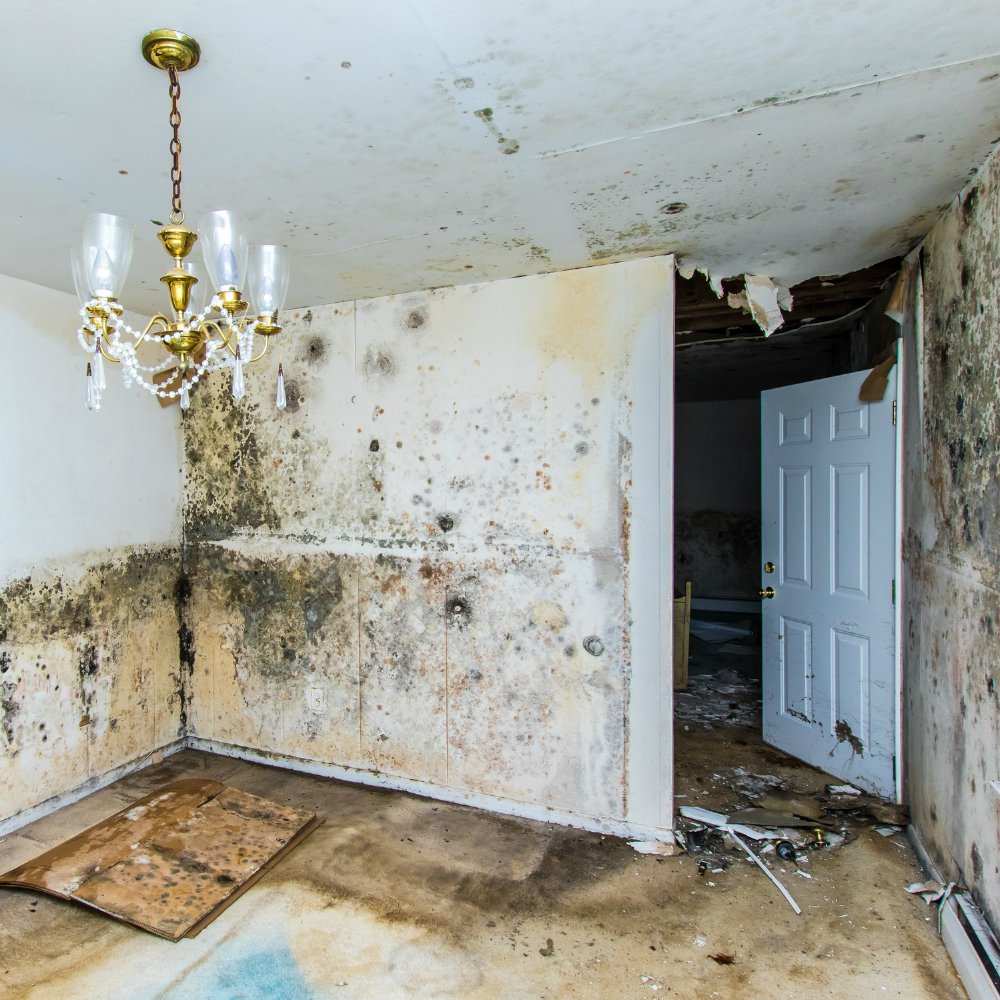
Why Mold Grows in Florida Homes – A Homeowner’s Guide for Homes in Miramar
Mold doesn’t grow in Florida homes because people don’t clean enough. That idea trips up a lot of homeowners. Mold grows because Florida creates the perfect environment for it, and homes in Miramar experience this firsthand. Heat, humidity, and constant air conditioning give mold exactly what it needs to settle in quietly and stick around.
Once you understand why mold grows here, the problem starts making a lot more sense—and becomes much easier to prevent.
Florida’s Climate Does Mold a Lot of Favors
Florida’s weather works against homeowners more than most people realize. Warm temperatures and high humidity don’t take breaks, even in winter. Mold thrives under those conditions.
Florida homes deal with:
- High humidity nearly year-round
- Warm indoor temperatures
- Frequent rain and storms
- Moist outdoor air constantly entering the home
Ever feel like your home never fully dries out? Mold notices that too.
Why Miramar Homes Face Extra Mold Pressure
Miramar homes often feature modern construction, energy-efficient designs, and tightly sealed interiors. While that improves comfort, it also traps moisture when ventilation falls short.
Local factors that increase mold risk include:
- Heavy AC usage
- Condensation-prone duct systems
- Limited natural airflow
- Storm-related moisture intrusion
Even newer homes develop mold when moisture stays trapped behind walls or ceilings.
Mold Needs Only Three Things to Grow
The Science Is Simple
Mold doesn’t require special conditions. It only needs three basic elements.
Mold grows when it has:
- Moisture
- Organic material
- Time
Homes already provide organic material through drywall, wood, dust, and insulation. Time happens naturally. Moisture becomes the deciding factor—and Florida provides plenty of it.
Remove moisture, and mold loses its advantage.
Where Moisture Comes From Inside Homes
Most homeowners assume moisture comes from leaks or flooding. Inspections show moisture enters homes in far more subtle ways.
Common indoor moisture sources include:
- AC condensation
- Drain line backups
- Poor bathroom ventilation
- Plumbing leaks inside walls
- Roof or window leaks during storms
- High indoor humidity
IMO, condensation causes more mold than major leaks because it feels harmless and continuous.
Why Mold Often Grows Where You Can’t See It
Mold prefers hidden spaces. Dark, enclosed areas hold moisture longer and avoid airflow, making them ideal growth zones.
Inspections frequently uncover mold in:
- Wall cavities
- Behind baseboards
- Under flooring
- Inside insulation
- AC closets and returns
- Attics with poor ventilation
By the time mold becomes visible, it usually spreads well beyond the original moisture source.
The Role of Air Conditioning in Mold Growth
Comfort Comes With a Trade-Off
Air conditioning keeps homes comfortable, but it also creates condensation. That moisture settles on coils, drain pans, ducts, and nearby building materials.
AC-related mold issues often involve:
- Wet evaporator coils
- Standing water in drain pans
- Condensation inside ductwork
- Moist insulation near vents
When AC systems run constantly, moisture rarely gets a chance to dry out completely.
How Humidity Turns Small Issues Into Big Problems
Humidity amplifies everything. A small leak that might dry out in another climate stays wet in Florida. That extended dampness gives mold time to grow.
High humidity leads to:
- Slower drying times
- Persistent condensation
- Moist materials behind surfaces
- Elevated indoor moisture levels
Ever notice paint bubbling or baseboards warping without obvious leaks? Humidity usually plays a role.
Why Mold Spreads Faster in Florida Homes
Mold spreads through microscopic spores that move easily through air. HVAC systems help distribute those spores when mold exists anywhere in the home.
This often leads to:
- Mold appearing in multiple rooms
- Odors spreading throughout the house
- Contamination near vents and returns
- Indoor air quality issues
People often treat one area repeatedly, not realizing mold keeps re-entering through the air.
What Mold Inspections Reveal in Miramar Homes
Mold inspections consistently uncover hidden problems that homeowners never expected. Moisture travels, and mold follows it.
Inspections commonly reveal:
- Hidden mold behind drywall
- Damp insulation
- Moisture pathways feeding multiple rooms
- Elevated indoor spore levels
- HVAC involvement
FYI, visible mold usually represents only a small portion of the overall problem.
Why Mold Testing Helps Clarify the Situation
Data Replaces Guesswork
Mold testing becomes useful when symptoms exist but visible mold doesn’t. Air and surface samples show whether mold affects indoor air quality.
Testing helps:
- Confirm hidden mold growth
- Measure airborne spores
- Compare indoor and outdoor air
- Guide remediation decisions
Testing doesn’t create problems—it explains them.
Mold Removal vs. Mold Remediation: What Homeowners Get Wrong
Many people think removing visible mold solves the issue. In reality, mold remediation addresses why mold grew in the first place.
The difference matters:
- Mold removal cleans visible growth
- Mold remediation fixes moisture and prevents regrowth
Skipping remediation usually leads to mold returning in the same or nearby areas.
Why DIY Mold Cleaning Rarely Works Long-Term
DIY cleaning focuses on appearance, not conditions. Scrubbing mold without fixing moisture invites it back.
DIY efforts fail because:
- Moisture remains
- Hidden growth stays active
- Spores spread during cleaning
- HVAC systems remain contaminated
Repeated DIY attempts often make professional remediation more expensive later.
The Cost of Letting Mold Settle In
Inspection data shows a clear pattern. Homes that delay action face:
- Wider mold contamination
- Removal of structural materials
- HVAC system involvement
- Higher remediation costs
- Longer disruption
Catching mold early almost always saves money.
How Homeowners Can Reduce Mold Risk in Miramar
Prevention focuses on moisture control, not fear.
Smart steps include:
- Monitoring indoor humidity
- Addressing AC drainage issues promptly
- Improving ventilation
- Investigating musty odors early
- Scheduling inspections when moisture issues appear
Small changes reduce big risks.
Final Thoughts: Mold Grows for Predictable Reasons
Mold doesn’t grow in Florida homes because of bad luck. It grows because moisture, heat, and time line up consistently. Homes in Miramar show that once homeowners understand those conditions, mold becomes far easier to prevent.
Control the moisture, respect the climate, and mold usually stops feeling so comfortable indoors.
