
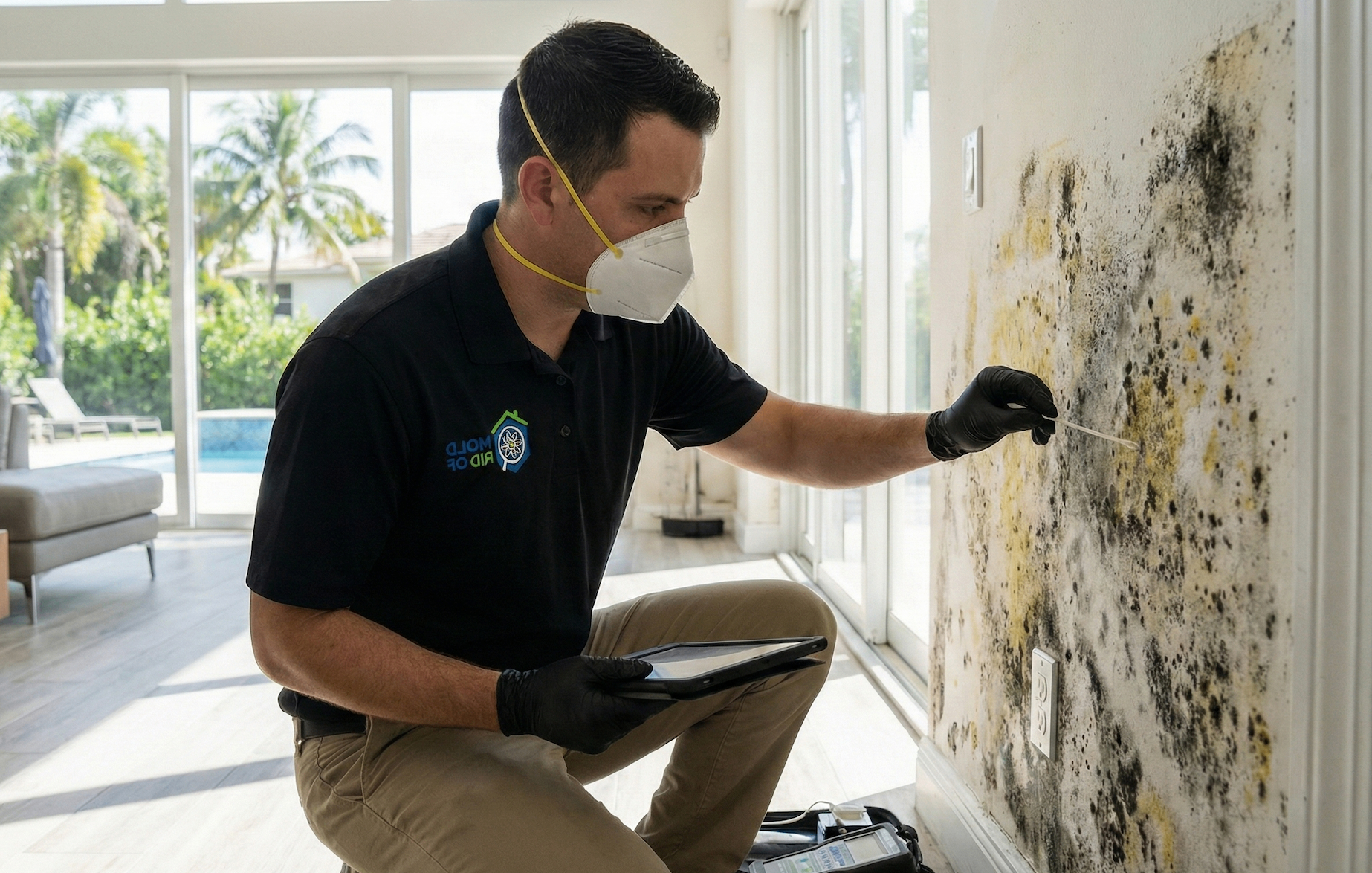
Practical Advice From Experts: Mold Testing Insights for Homes in Pembroke Pines
Let’s be honest — mold is the kind of problem that sneaks up on you. One day your Pembroke Pines home smells a little musty, and the next, you notice a black or green patch on a wall. Most homeowners think, “I’ll just wipe it off and call it a day.” Well, I hate to break it to you: that’s only scratching the surface (literally).
After years of performing mold inspections, mold testing, removal, and remediation across Pembroke Pines, one lesson keeps repeating: surface stains are rarely the real problem. Hidden mold often lurks behind walls, under floors, or inside HVAC systems, silently affecting indoor air quality and your family’s health.
In this guide, I’ll share practical advice from real inspections, explain why mold testing is essential, and help you understand how to protect your home before a small problem becomes a big one.
Why Mold Testing Is a Game-Changer
Many homeowners skip mold testing because they assume:
- Cleaning visible mold solves the problem
- Mold is only a cosmetic issue
- Testing is expensive or unnecessary
Here’s the truth: mold testing isn’t a luxury — it’s a tool that saves money and protects your family.
Mold testing does three critical things:
- Identifies hidden mold that isn’t visible
- Determines the type of mold to assess potential health risks
- Measures spore concentrations in the air for a true picture of indoor air quality
Without testing, you’re essentially guessing — and mold thrives on ignorance.
Common Misconceptions We See in Pembroke Pines
During inspections, homeowners often believe:
- “If I can’t see it, it isn’t there.”
Hidden mold often grows inside walls, under flooring, or in HVAC ducts. Visible patches are usually just the tip of the iceberg. - “All molds are the same.”
Different species have different health effects. For example, Stachybotrys chartarum (black mold) can produce toxins that trigger serious respiratory issues. - “DIY cleaning works for mold.”
Surface cleaning only removes what you can see. Hidden colonies and moisture sources remain, allowing mold to return. - “Mold isn’t dangerous unless it’s everywhere.”
Even small amounts of hidden mold can impact indoor air quality and trigger allergies or asthma.
What We Typically See in Pembroke Pines Homes
Florida homes, especially in Pembroke Pines, face unique mold challenges:
- High humidity year-round
- Frequent storms and water intrusion
- Older or porous construction materials that absorb moisture
From real inspections, here’s what pops up most frequently:
Hidden Mold Hotspots
- HVAC systems: Coils, drip pans, and ducts often harbor mold colonies
- Behind walls and baseboards: Leaks and condensation create hidden growth
- Under flooring or carpet padding: Retains moisture from spills, floods, or high humidity
- Attics and crawlspaces: Poor ventilation combined with roof leaks produces ideal conditions
Indoor Air Quality Observations
- Homes with hidden mold have higher spore counts than visible areas
- Musty odors usually indicate active growth somewhere unseen
- Allergy and asthma symptoms often correspond with hidden mold hotspots
How Mold Testing Works
Professional mold testing may sound intimidating, but it’s straightforward. Here’s what you can expect in Pembroke Pines:
1. Visual Inspection
- Technicians look for water damage, visible mold, and moisture accumulation
- Thermal imaging can detect hidden moisture inside walls and ceilings
2. Moisture Assessment
- Moisture meters measure dampness in drywall, flooring, and ceilings
- High readings indicate areas likely harboring hidden mold
3. Air and Surface Sampling
- Air samples detect spore concentrations and types
- Surface samples confirm species and extent of growth
4. Data Analysis
- Lab results identify mold species and health risks
- Helps determine a targeted remediation plan
Lessons From Real Inspections
Here’s what real inspections in Pembroke Pines teach homeowners:
- Hidden Mold Is Common
- Over 70% of homes with visible mold have additional hidden colonies
- HVAC systems, wall cavities, and attics are frequent sources
- Humidity Is the Key Driver
- Even homes that appear dry can harbor mold behind walls if indoor humidity is high
- Controlling moisture is more effective than cleaning surfaces alone
- DIY Solutions Often Fail
- Homeowners who clean visible mold themselves frequently see recurrence within weeks
- Proper remediation addresses both spores and moisture sources
- Early Testing Saves Money
- Catching mold early prevents expensive repairs and structural damage
- Improves indoor air quality and protects occupants’ health
Practical Advice for Pembroke Pines Homeowners
Even before scheduling professional testing, there are steps you can take:
1. Monitor Humidity
- Use a hygrometer to track indoor humidity
- Keep relative humidity below 60% using dehumidifiers or AC systems
2. Inspect Moisture Sources
- Check roofs, plumbing, AC condensate lines, and window seals regularly
- Repair leaks promptly to prevent hidden mold
3. Maintain HVAC Systems
- Replace filters every 60–90 days
- Clean coils and drip pans professionally
- Consider duct cleaning if mold or dust buildup is suspected
4. Watch for Early Signs
- Musty odors, recurring allergy symptoms, or visible staining
- Pay attention to family members’ symptoms like asthma flare-ups or chronic congestion
5. Schedule Professional Mold Testing
- Lab-tested samples provide accurate insights
- Helps prioritize remediation and ensures indoor air is safe
Why Mold Testing Protects Health
Hidden mold impacts indoor air quality and health in several ways:
- Triggers allergies and asthma flare-ups
- Causes chronic respiratory irritation
- Leads to headaches and fatigue in sensitive individuals
- Can cause skin irritation for some occupants
Professional testing identifies risks before they escalate, protecting both your family and your home’s structure.
The Bottom Line
Lessons from real inspections in Pembroke Pines show that surface mold is rarely the whole story. Hidden mold is common, especially in humid Florida homes, and proper testing is crucial for uncovering it.
Key takeaways:
- Hidden mold is widespread and often invisible
- DIY cleaning rarely addresses the root problem
- Professional testing identifies species, spore levels, and hidden growth
- Early detection saves money, prevents health issues, and protects your home
- Humidity control and maintenance are essential for preventing recurrence
Remember: mold isn’t always obvious, but data doesn’t lie. Mold testing gives you the knowledge to act early, protect your family, and maintain a safe, healthy home.
