
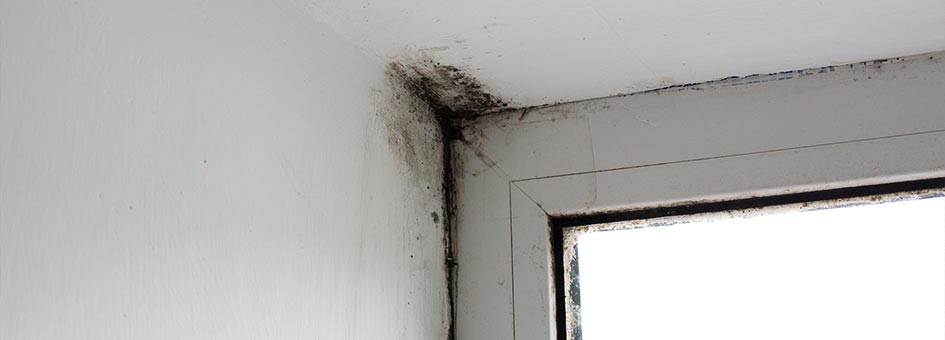
Lesson #1: The Mold You See Is Rarely the Real Problem – A Guide for Florida Homeowners
Here’s a hard truth for homeowners in Florida: the black spots, green streaks, or fuzzy patches you notice on your walls or ceilings are usually just the tip of the iceberg. Most of the time, the mold you see is just a tiny symptom of a bigger, hidden problem lurking behind your walls, under your floors, or inside your HVAC system.
After years of performing mold inspection, testing, removal, and full remediation, I’ve learned that homeowners almost always underestimate how much hidden mold can affect their homes and health. People think, “Oh, I see a patch, I’ll wipe it off, done!” But in reality, that patch is often just a surface indicator of deeper issues. Let’s break this down, explore what’s really happening in your home, and give practical advice for tackling mold the right way.
Why Visible Mold Is Only Part of the Story
When we talk about mold, people naturally focus on what’s visible:
- A black patch on the bathroom wall
- Green streaks along window sills
- Fuzzy growth under the sink
But here’s the kicker: visible mold represents only 10–20% of the problem in many Florida homes. The rest? Hidden, spreading, and silently releasing spores into your indoor air.
Think of it like an iceberg: the part above water is what you see, but the real mass — the dangerous part — is submerged and out of sight. In homes, that “submerged part” is often:
- Inside walls and ceilings
- Under flooring or carpet padding
- In HVAC ducts and drip pans
- Behind cabinets or baseboards
- In attics, crawlspaces, and basements
This hidden mold is what actually affects your health and indoor air quality, not just the surface patches you can clean with a sponge.
Why Hidden Mold Thrives in Florida Homes
Florida’s climate is basically mold’s paradise:
- High humidity year-round – perfect for growth on wood, drywall, and insulation
- Frequent storms and water intrusion – roof leaks, plumbing issues, and minor flooding provide moisture sources
- AC condensation – HVAC systems often harbor hidden colonies if drain pans or ducts aren’t maintained
- Older or porous construction materials – drywall, carpet padding, and wood absorb water easily and stay damp
Even if your home looks clean, hidden mold can be silently growing in places you rarely check, affecting both your family’s health and your property.
Common Hiding Spots for Hidden Mold
Hidden mold is sneaky. Here’s where we see it most in Florida homes:
1. Inside Walls
- Water leaks from plumbing or roofs saturate drywall
- Mold grows inside wall cavities, releasing spores into the air
- Baseboards or paint may look fine, but the interior can be a mold hotspot
2. HVAC Systems
- Condensation collects in coils, pans, and ducts
- Spores circulate throughout the house whenever the AC runs
- Musty odors often originate from hidden growth inside the system
3. Attics, Crawlspaces, and Basements
- Poor ventilation traps humid air
- Roof leaks or plumbing issues introduce moisture
- Mold thrives on insulation and wooden framing
4. Under Flooring or Behind Cabinets
- Carpet padding or subflooring absorbs water from spills or minor flooding
- Kitchens, bathrooms, and laundry areas are particularly vulnerable
- Mold can release spores into the air without ever being visible
How Hidden Mold Affects Health
Even if you don’t see mold, it can still impact your health:
- Allergic reactions – sneezing, congestion, itchy eyes
- Asthma triggers – spores in the air worsen symptoms
- Respiratory irritation – coughing, wheezing, sinus problems
- Chronic effects – fatigue, headaches, or low-grade respiratory issues
Hidden mold is often the real reason for persistent indoor allergy symptoms, even when visible mold has been cleaned off.
Why DIY Cleaning Rarely Solves the Problem
Homeowners often make the mistake of trying to tackle mold themselves. Here’s why it usually fails:
- Surface cleaning ignores hidden colonies – spores inside walls, ducts, or insulation remain untouched
- Scrubbing spreads spores – making the problem worse by releasing them into the air
- Moisture sources remain – leaks or AC condensation continue feeding growth
DIY cleaning might remove visible stains, but it rarely resolves the root cause, which is why mold keeps coming back.
How Professionals Handle Hidden Mold
Professional inspection and remediation follow a thorough, science-based process:
1. Detailed Inspection
- Moisture meters, thermal imaging, and visual inspections detect hidden growth
- Air and surface sampling determine spore levels and species
2. Containment
- Affected areas are sealed off to prevent spores from spreading
- HEPA filtration and negative air pressure protect the rest of the home
3. Moisture Source Repair
- Leaks, AC condensation, and ventilation issues are addressed
- Without moisture control, mold will inevitably return
4. Removal of Contaminated Materials
- Drywall, insulation, carpet padding, or baseboards may be removed
- Non-porous surfaces are cleaned and treated with antifungal solutions
5. Post-Remediation Verification
- Testing confirms mold levels are safe
- Ensures indoor air quality is restored and allergy triggers minimized
Practical Advice for Homeowners
Even before calling a professional, you can take steps to prevent and manage hidden mold:
- Control humidity – keep indoor levels below 60% using dehumidifiers and proper ventilation
- Inspect for leaks regularly – roofs, plumbing, and AC systems need routine checks
- Maintain HVAC systems – replace filters, clean coils, and ensure drain lines are clear
- Ventilate attics and crawlspaces – airflow reduces moisture accumulation
- Monitor indoor air quality – HEPA purifiers can help reduce airborne spores
Consistency is key — early action prevents small mold issues from becoming costly, hidden problems.
Why Acting Early Saves Money
Ignoring mold until it becomes visible can lead to:
- Hidden growth spreading throughout the home
- Recurring health problems for residents
- Higher remediation costs once contamination is extensive
- Structural damage to drywall, floors, and insulation
- Reduced home value due to unresolved mold
Addressing mold proactively protects your home, health, and wallet.
The Bottom Line
The lesson is simple but critical: the mold you see is rarely the real problem. Most of the risk comes from hidden mold inside walls, under floors, and in HVAC systems. Florida’s climate, high humidity, and aging homes make hidden mold especially common.
Key takeaways for homeowners:
- Visible mold is just a small indicator; hidden colonies are the real issue
- Hidden mold affects indoor air quality and triggers allergies
- DIY cleaning often only removes surface stains; professional inspection and remediation are usually required
- Controlling moisture, repairing leaks, and maintaining HVAC systems prevents recurrence
- Early action saves money, protects your family’s health, and keeps your home in good shape
Remember: just because you can’t see it doesn’t mean it isn’t there. Treating visible mold without addressing hidden growth is like putting a Band-Aid on a leaky pipe — it might look better temporarily, but the problem continues to grow behind the scenes.
