
What the Data Tells Us: Black Mold Insights for Homes in Lauderhill
Black mold — the name alone makes homeowners break out in a cold sweat. But here’s the thing: it’s not just scary because it looks nasty. In Lauderhill homes, black mold (Stachybotrys chartarum) is a real health concern, and ignoring it can affect your family’s well-being and your home’s structure.
After years of performing mold inspection, mold testing, removal, and remediation, I’ve seen how homeowners often misunderstand black mold. Some think it’s just another type of household mold. Others assume a little cleaning will fix it. Here’s the truth: the data, research, and practical experience all point to the same conclusion — black mold needs serious attention.
What Black Mold Is and Why It Matters
Black mold isn’t just black in color — it’s a type of toxic mold that thrives in high-moisture environments. It produces spores and sometimes mycotoxins, which can trigger allergic reactions, respiratory problems, and other health issues.
Key facts about black mold in Lauderhill homes:
- Grows in damp, dark areas like basements, crawlspaces, and behind walls
- Feeds on organic materials like drywall, wood, and carpet backing
- Releases spores into the air that spread invisibly throughout the home
- Often hidden, so homeowners may not know it’s there until symptoms appear
Basically, black mold is the mold equivalent of an invisible ninja — silent, spreading, and potentially harmful.
What the Data Shows About Black Mold Exposure
Research and practical inspection data show that black mold exposure can impact health in several ways:
- Respiratory Issues
- Exposure to spores can worsen asthma or bronchitis
- Persistent coughing, wheezing, and throat irritation are common
- Allergic Reactions
- Sneezing, nasal congestion, and itchy eyes
- Symptoms often worsen indoors, particularly after AC cycles
- Chronic Fatigue and Headaches
- Some homeowners report unexplained fatigue or headaches
- Long-term exposure may contribute to low-grade systemic inflammation
- Skin Irritation
- Redness, rashes, or itchy skin in sensitive individuals
While not everyone reacts the same way, the data clearly links high black mold exposure to increased allergy and respiratory problems in residential settings.
Why Lauderhill Homes Are at Risk
Florida’s climate makes mold a constant concern, and Lauderhill is no exception. Here’s why homes in this area are vulnerable:
- High humidity year-round: Indoor moisture often exceeds 60%, perfect for mold growth
- Frequent storms and water intrusion: Roof leaks, plumbing issues, and minor flooding feed hidden colonies
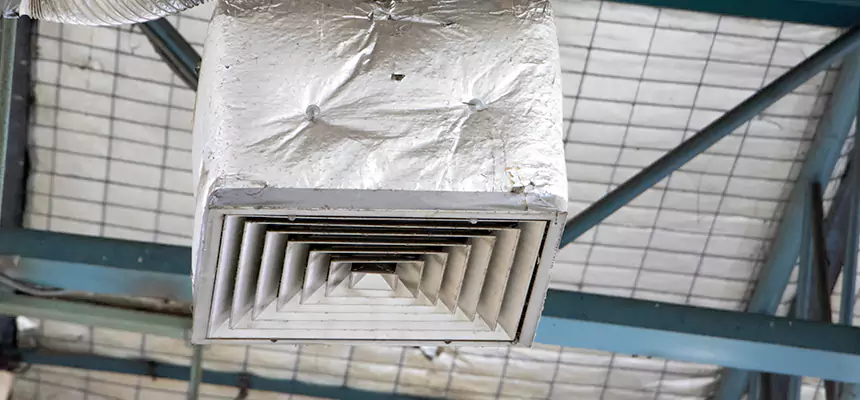
- Air conditioning systems: AC units can harbor mold in coils, pans, and ducts if not properly maintained
- Older construction materials: Drywall, wood, and insulation absorb water and promote growth
Even homes that appear clean and dry can have hidden black mold thriving in unseen areas.
Where Black Mold Hides
Black mold is rarely obvious. Common hiding spots in Lauderhill homes include:
1. HVAC Systems
- Condensation in ducts and drain pans feeds colonies
- Spores circulate throughout the house, often triggering allergy symptoms
- Musty odors can indicate hidden growth
2. Behind Walls and Baseboards
- Water leaks or high humidity promote growth inside wall cavities
- Baseboards and painted surfaces may hide the problem
3. Attics, Crawlspaces, and Basements
- Poor ventilation traps humid air, creating ideal conditions
- Insulation and wood framing often become contaminated
4. Under Flooring or Cabinets
- Carpet padding and subfloor materials absorb moisture
- Kitchens, bathrooms, and laundry areas are common sites
The Consequences of Ignoring Black Mold
Homeowners often make the mistake of ignoring mold until it’s visible, but the data and experience show that waiting only makes the problem worse:
- Health risks increase for residents, especially children, the elderly, and those with respiratory conditions
- Structural damage accumulates in drywall, wood framing, and insulation
- Remediation costs rise once mold spreads throughout the home
- Recurring mold becomes harder to control without addressing the root cause
In short, black mold isn’t just unsightly — it’s expensive and potentially dangerous if left untreated.
Signs You Might Have Black Mold
Even without seeing it, there are clues:
- Musty odors indoors, particularly near walls or ducts
- Persistent allergy symptoms that worsen at home
- Water stains, discoloration, or peeling paint
- Condensation on windows, walls, or AC vents
- Visible black or dark green patches in high-moisture areas
Pay attention to these signs — early detection is key to minimizing health and structural impacts.
How Mold Testing and Remediation Works
Professional inspection and remediation are the safest ways to handle black mold. Here’s what to expect:
1. Inspection and Testing
- Visual inspections and moisture detection locate hidden mold
- Air and surface samples identify spore counts and mold species
- Testing confirms whether mold is active or dormant
2. Containment
- Professionals isolate affected areas to prevent spores from spreading
- HEPA filtration and negative air pressure protect the rest of the home
3. Moisture Source Control
- Plumbing leaks, roof issues, and AC condensation are repaired
- Without moisture control, mold will inevitably return
4. Removal and Cleaning
- Contaminated drywall, insulation, and carpets are removed
- Non-porous surfaces are cleaned with antifungal solutions
5. Post-Remediation Testing
- Confirms spore levels are safe and indoor air quality is restored
- Ensures black mold is fully eliminated
Preventing Black Mold Recurrence
Once black mold is removed, prevention is key:
- Control humidity: Keep indoor levels below 60% with dehumidifiers and proper ventilation
- Maintain AC systems: Regularly clean coils, drain lines, and ducts
- Inspect for leaks: Roof, plumbing, and AC systems should be checked routinely
- Ventilate crawlspaces and attics: Proper airflow reduces moisture accumulation
- Monitor indoor air quality: HEPA air purifiers can reduce airborne spores
Consistent monitoring and maintenance are the best defense against future black mold problems.
The Bottom Line
Black mold isn’t just a cosmetic issue — it’s a health hazard, structural risk, and financial concern for Lauderhill homeowners. The data and professional experience both show that proactive testing, remediation, and prevention are essential.
Key takeaways:
- Black mold thrives in humid, damp areas and often hides from view
- Exposure can trigger allergies, asthma, respiratory irritation, and other health issues
- DIY cleaning often fails; professional mold inspection and remediation are recommended
- Early detection prevents costly repairs and protects your family’s health
- Humidity control, ventilation, and regular maintenance are critical for long-term prevention
Remember: just because you can’t see black mold doesn’t mean it isn’t silently affecting your home and health. Acting early saves money, prevents health problems, and keeps your indoor air safe. 🙂
