
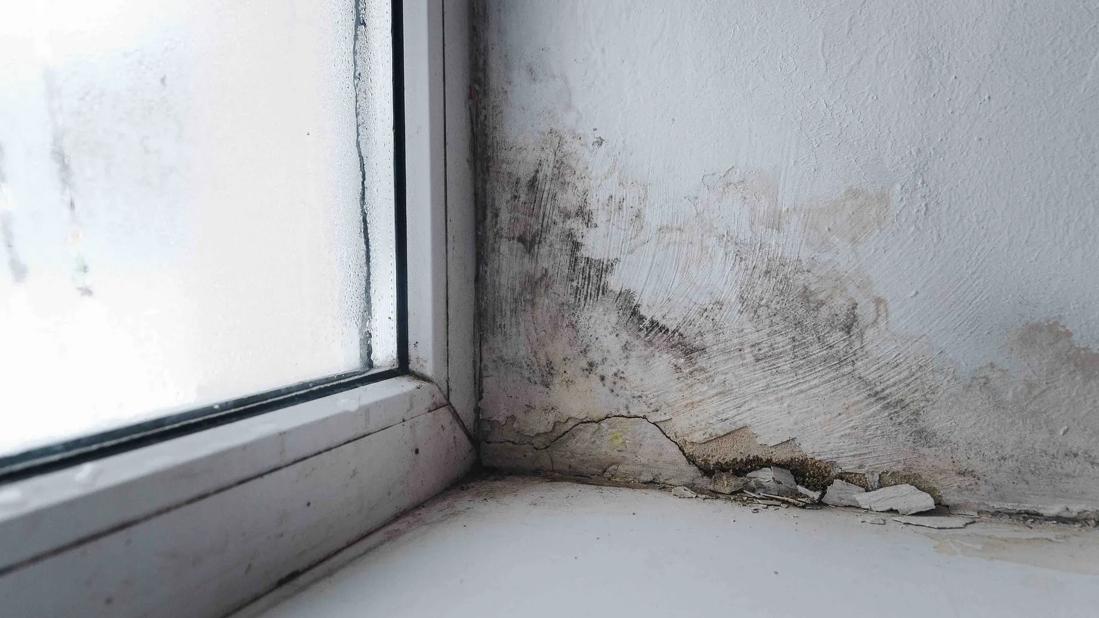
How Mold Actually Affects Allergies – A Guide for Florida Homeowners
Ah, allergies. Sneezing, itchy eyes, congestion — the usual suspects we love to blame on pollen, pets, or “seasonal changes.” But here’s the kicker: mold is often the hidden culprit making your allergy symptoms worse, especially in Florida homes.
After years of performing mold inspections, mold testing, mold removal, and full remediation, I can tell you firsthand that most homeowners underestimate how much mold affects indoor air quality and triggers allergies. Whether it’s lurking in your AC ducts, behind drywall, or in a humid crawlspace, mold spores are everywhere — silently impacting your health. Let’s break down the science, the symptoms, and practical ways to tackle this problem.
Mold and Allergies: The Basics
Mold is a fungus that reproduces via spores, which are tiny, airborne particles. When inhaled, these spores can trigger allergic reactions in sensitive individuals.
Here’s what happens:
- Spores float through the air, even inside your home
- Your immune system reacts, identifying spores as foreign invaders
- Inflammation occurs, leading to sneezing, congestion, itchy eyes, and more
In short, mold doesn’t just look gross — it actively impacts your respiratory system.
Why Florida Homes Are a Perfect Mold Playground
Florida’s climate practically invites mold to grow unchecked:
- Year-round high humidity: Above 60% humidity feeds mold growth
- Frequent storms: Roof leaks and water intrusion create moisture pockets
- AC systems: Condensation in ducts and pans can harbor hidden mold
- Older or porous materials: Drywall, insulation, and wood absorb water easily
Even homes that appear dry on the surface can have mold growing out of sight, quietly worsening allergies.
Common Allergy Symptoms Linked to Mold
Homeowners often notice these issues without realizing mold is the cause:
- Sneezing and nasal congestion that worsens indoors
- Itchy, watery eyes
- Coughing or wheezing, especially with asthma
- Fatigue or headaches after spending time at home
- Skin irritation in some cases
Notice a pattern? Most of these symptoms are worse when humidity spikes or your AC cycles, because spores circulate through your home.
Hidden Mold: The Sneaky Culprit
Not all mold is visible. In fact, hidden mold is usually the biggest allergy trigger. Common hiding spots in Florida homes include:
- HVAC systems and ducts – spores travel throughout the house
- Behind walls or baseboards – moisture from leaks encourages growth
- Under flooring or carpets – especially after spills or minor flooding
- Attics, crawlspaces, and basements – poor ventilation traps moisture
Even if your walls look pristine, mold can be silently affecting your family’s health.
How Mold Triggers Allergies
Let’s break it down step by step:
- Spore Release – Mold produces spores that float through the air
- Inhalation – You breathe in spores during daily activities
- Immune Response – Your body sees spores as invaders and triggers inflammation
- Symptoms Appear – Sneezing, congestion, itchy eyes, coughing, and even fatigue
Essentially, mold is like an invisible irritant that keeps your immune system on high alert, even if you don’t realize it.
Mold vs Other Allergy Triggers
Here’s why mold is trickier than pollen or pet dander:
- It thrives indoors – Pollen is seasonal, but mold grows year-round in Florida
- It hides – You may not see it, but it’s still affecting your health
- It spreads through HVAC – While pet dander or pollen settles, spores circulate actively
In other words, mold is the sneaky allergy villain that keeps coming back, even when you clean regularly.
DIY Cleaning: Why It Often Fails
Many homeowners try wiping away mold or spraying disinfectants, thinking it solves the problem. Here’s why it usually doesn’t:
- Hidden mold remains – spores inside walls, ducts, or insulation aren’t reached
- Spore circulation – Scrubbing can release more spores into the air
- Moisture source isn’t fixed – leaks or condensation keep feeding growth
Temporary fixes may mask odors or visible mold, but allergy triggers remain until proper remediation occurs.
Professional Mold Testing and Remediation
For allergy sufferers, professional intervention is often necessary:
1. Mold Testing
- Identifies visible and hidden mold
- Measures spore counts and identifies species
- Detects areas with high allergen potential
2. Containment
- Professionals isolate affected areas to prevent spore spread
- HEPA filtration keeps the rest of the home safe during remediation
3. Moisture Source Repair
- Leaks, AC condensation, and poor ventilation are addressed
- Prevents mold from returning and allergens from persisting
4. Material Cleaning or Removal
- Contaminated drywall, insulation, or carpet padding may be removed
- Non-porous surfaces are cleaned and treated with antifungal solutions
5. Post-Remediation Testing
- Confirms mold and spore levels are safe
- Ensures allergy triggers are minimized
Practical Tips for Homeowners
Even before calling the pros, you can take steps to reduce mold-related allergies:
- Control humidity – Keep indoor levels below 60%
- Ventilate high-moisture areas – Bathrooms, kitchens, and laundry rooms benefit from exhaust fans
- Maintain AC systems – Replace filters regularly, clean coils, and check drain lines
- Use HEPA air purifiers – Especially in bedrooms and living areas
- Inspect for leaks – Roofs, plumbing, and AC lines should be checked routinely
Consistency is key — small actions prevent mold growth and reduce allergy triggers.
The Health Benefits of Addressing Mold
Removing mold and controlling moisture improves indoor air quality, which in turn:
- Reduces allergy flare-ups
- Minimizes asthma triggers
- Improves overall comfort and sleep quality
- Reduces chronic respiratory irritation
- Protects long-term lung health for the whole family
Even subtle improvements in indoor air quality can make a noticeable difference in your daily health.
When to Call a Professional
Some signs mean it’s time to get experts involved:
- Persistent musty odors
- Frequent allergy symptoms indoors
- Visible mold in walls, ceilings, or HVAC systems
- Water stains or condensation on walls and windows
- Recurring health issues despite cleaning and ventilation
Professional mold inspection, testing, and remediation ensures the problem is addressed fully, preventing ongoing exposure.
Final Thoughts
Mold doesn’t just look ugly — it actively affects allergies, especially in humid Florida homes. Hidden colonies, airborne spores, and recurring growth make it a persistent allergy trigger.
Key takeaways for homeowners:
- Mold spores trigger allergic reactions by inflaming the respiratory system
- Hidden mold in walls, ducts, and insulation often causes chronic symptoms
- DIY cleaning usually masks the problem instead of solving it
- Professional testing, remediation, and moisture control are essential
- Maintaining humidity, ventilation, and HVAC cleanliness prevents recurring mold exposure
Remember: your home shouldn’t be making your allergies worse. Address mold proactively, and you’ll breathe easier, sleep better, and protect your family’s health.
