
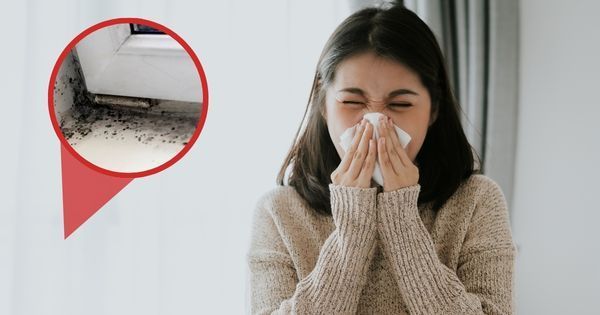
How Mold Triggers Allergies (Simple Version) – What Florida Homeowners Should Know
Let’s be real for a second: mold is sneaky, invisible, and loves to mess with your sinuses. Many homeowners think allergies are just “seasonal,” but in Florida homes, mold is a major hidden culprit. Even if your walls look clean, spores float in the air you breathe every day.
After years of handling mold inspection, mold testing, mold removal, and full remediation, I can tell you one thing: understanding how mold triggers allergies can save your health and your home. Let’s break it down — simple, practical, and yes, slightly conversational because nobody enjoys a dry lecture.
What Mold Really Is
First, let’s clear up the basics. Mold is a type of fungus. It reproduces via tiny spores that float invisibly through the air.
- Spores are everywhere: indoors, outdoors, on your clothes, and even on your furniture
- Mold thrives on moisture: high humidity, leaks, or condensation in Florida homes are like a free buffet
- Growth can be hidden: behind drywall, under flooring, in air ducts, and inside insulation
Here’s the kicker: you don’t need to see mold for it to affect you. Airborne spores can trigger allergies long before any visual signs appear.
Ever noticed sneezing more indoors than outside? Yep, your home might be harboring mold spores without you realizing it.
How Mold Spores Trigger Allergies
Allergies occur when your immune system overreacts to harmless substances — like mold spores. Here’s the step-by-step process:
1. Inhalation
You breathe in mold spores. They’re tiny, invisible, and lightweight, so they float through your home, often via:
- HVAC systems
- Fans
- Open windows (even in screened-in Florida patios)
Once inhaled, the spores interact with your respiratory system.
2. Immune Response
Your body thinks mold spores are invaders. White blood cells release chemicals like histamines, which are responsible for common allergy symptoms.
- Sneezing
- Itchy, watery eyes
- Runny nose
- Congestion
Ever wonder why your eyes water around that musty corner of your house? That’s histamines at work.
3. Inflammation
Histamines trigger inflammation in nasal passages and airways, causing swelling and mucus production. That’s why your nose feels stuffed or runny even if no cold is present.
4. Prolonged Exposure
Continuous exposure to mold spores worsens symptoms:
- Chronic sneezing
- Fatigue
- Headaches
- Aggravated asthma
Even mild mold problems can create persistent discomfort if ignored.
Why Florida Homes Are Mold-Friendly
South Florida and other humid regions are basically mold paradises. Here’s why:
- High year-round humidity: Moisture levels above 60% encourage mold growth
- Warm temperatures: Mold grows faster in warm conditions
- Frequent storms: Water intrusion leads to hidden leaks and damp surfaces
- AC condensation: If drain lines clog, moisture accumulates in ducts and walls
Even a seemingly “dry” home can harbor hidden mold, especially in bathrooms, kitchens, attics, or behind walls.
Common Areas Where Mold Hides
Homeowners often assume visible mold is the only problem. Nope. Some of the worst offenders are completely hidden:
- HVAC ducts and air handlers – spores spread throughout the house
- Behind drywall and baseboards – moisture trapped inside encourages growth
- Attic insulation – warm, humid air trapped here is perfect for spores
- Under flooring or behind cabinets – leaks go unnoticed for months
We see this all the time during professional inspections. The areas may look clean on the surface, but spores are actively circulating in your indoor air.
Signs That Mold Is Causing Allergies
Here’s the simple version: if you notice any of these, mold may be involved:
- Sneezing or coughing indoors more than outdoors
- Itchy, watery eyes when inside the home
- Congestion or sinus pressure that improves when leaving home
- Musty odors in hidden areas
- Recurring respiratory issues, even without a cold
FYI, ignoring these warning signs often makes the problem worse — and more expensive to fix later.
Why DIY Cleaning Often Fails
Homeowners try wiping down surfaces or spraying cleaning solutions. Here’s why it rarely works:
- Mold roots penetrate porous materials like drywall and wood
- Spores already in the air aren’t removed by surface cleaning
- Disturbing mold can release more spores, spreading the problem
- Moisture sources aren’t addressed, so mold grows back
Basically, a quick wipe may make the mold look gone, but allergy triggers remain active.
How Professionals Handle Mold-Related Allergies
A proper approach addresses both visible and hidden mold and reduces airborne spores. Professionals usually:
- Identify moisture sources – leaks, AC condensation, roof issues
- Inspect hidden areas – walls, floors, ducts, attics
- Use HEPA filtration and containment – prevents spores from spreading
- Remove contaminated materials – drywall, insulation, or duct sections
- Test air quality post-remediation – confirms spores have been reduced
This method not only removes mold but reduces allergy triggers effectively.
Practical Tips for Homeowners
Even before calling a professional, you can take steps to limit mold exposure and reduce allergies:
- Maintain indoor humidity below 60%
- Ensure proper ventilation in bathrooms, kitchens, and attics
- Change HVAC filters regularly
- Clean visible moisture promptly
- Monitor for musty odors or unexplained allergy symptoms
- Schedule regular mold inspections, especially after leaks or storms
Small proactive steps can save thousands in remediation and prevent chronic allergy issues.
The Health Consequences of Ignoring Mold
Long-term exposure to mold can escalate beyond minor allergy symptoms:
- Chronic respiratory irritation
- Aggravated asthma
- Increased susceptibility to infections
- Fatigue and headaches
- Reduced indoor air quality leading to general discomfort
It’s easy to dismiss sneezing or congestion as “seasonal,” but in humid Florida homes, mold often plays a starring role.
Why Air Quality Testing Matters
Mold triggers allergies even when it’s hidden. Air quality testing gives homeowners concrete data:
- Measures spore counts indoors vs outdoors
- Identifies types of mold present
- Confirms whether remediation was successful
Without testing, you’re guessing — and guesswork doesn’t stop allergy symptoms or prevent mold growth.
Preventing Mold-Triggered Allergies
Here’s a simple, actionable approach:
- Control moisture – fix leaks, unclog AC drain lines, monitor indoor humidity
- Inspect hidden areas – behind walls, in ducts, under floors, and in attics
- Maintain HVAC systems – clean coils, ducts, and filters regularly
- Air circulation – use fans and ventilation to reduce stagnant air
- Professional remediation when needed – don’t rely on DIY wipes for persistent mold
Following these steps keeps spores in check and reduces allergy triggers significantly.
Final Thoughts
Mold may be invisible, but its effects are very real. In Florida homes, humidity, leaks, and AC condensation create perfect conditions for spores to circulate and trigger allergies.
Ignoring the problem leads to:
- Recurring sneezing, congestion, and itchy eyes
- Air quality issues
- Hidden structural damage
- Expensive remediation costs
Simple version? Mold spores = allergy triggers. Moisture = mold fuel. Act early, and you prevent the cascade of problems.
Take it from someone who has seen it a thousand times: protecting your indoor air quality is about more than comfort — it’s about health, safety, and peace of mind. Stay proactive, monitor moisture, and call professionals when needed. Your sinuses will thank you. 🙂
