
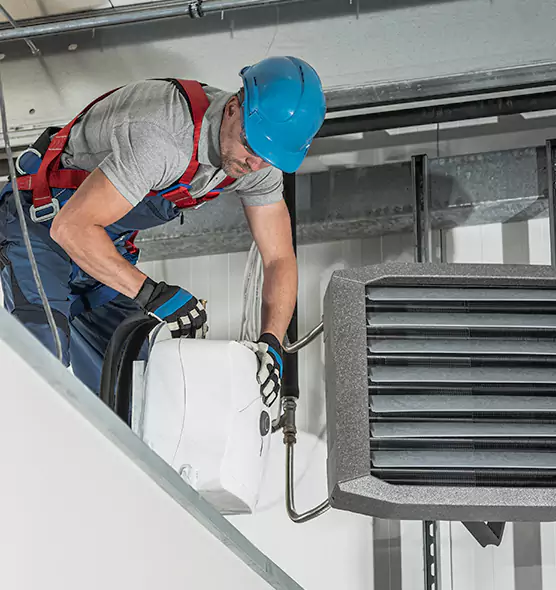
Indoor Air Quality Issues in Florida Homes – Practical Advice From Experts for Homes in Miramar
Let’s be real: indoor air quality (IAQ) isn’t something most homeowners think about—until sneezing, coughing, or mysterious headaches show up. In Florida, and especially in Miramar, indoor air quality issues are a bigger deal than people realize. High humidity, AC condensation, and hidden mold create a perfect storm for poor air quality.
After years of performing mold inspection, mold testing, mold removal, and remediation, I can confidently say that understanding IAQ is one of the best ways to protect your family and your home. So let’s chat about it — simple, practical, and totally relatable.
Why Indoor Air Quality Matters
We often underestimate the air we breathe every day. Poor IAQ doesn’t just trigger allergies—it can affect your respiratory health, energy levels, and even sleep quality.
Here’s what bad indoor air does:
- Worsens asthma and allergy symptoms
- Causes chronic coughing or sinus irritation
- Increases risk of long-term respiratory conditions
- Promotes mold growth in hidden areas
- Reduces overall comfort in your home
In Florida homes, especially Miramar, the combination of humidity, warm temperatures, and frequent AC use makes IAQ a serious concern.
Common Indoor Air Quality Problems in Florida Homes
Florida’s climate creates unique challenges that you might not notice at first:
1. High Humidity
Humidity above 60% creates moisture problems. That’s literally a mold magnet. High humidity:
- Encourages mold and mildew growth on walls, ceilings, and in ducts
- Causes musty odors that never fully go away
- Creates condensation on windows, walls, and AC units
2. Mold and Mildew
Hidden mold is more common than people think. Common hiding spots include:
- AC ducts and air handlers
- Behind drywall or baseboards
- Inside attic insulation
- Under flooring or cabinets
Even small leaks in plumbing or roofs can cause long-term mold growth that impacts indoor air.
3. Poor Ventilation
Many Miramar homes are sealed tight to save on AC costs. But tight homes with poor airflow can:
- Trap allergens and dust
- Allow mold spores to accumulate
- Cause stale, musty air indoors
4. Contaminated HVAC Systems
Your AC system is supposed to improve air quality, but if it’s neglected, it can actually spread mold and spores throughout the home.
- Clogged drain lines and pans create standing water
- Ducts and insulation harbor hidden mold
- Airborne spores circulate every time the system runs
Signs Your Indoor Air Quality May Be Compromised
How can you tell if your home’s air is making you sick or uncomfortable? Look out for:
- Frequent sneezing, coughing, or itchy eyes indoors
- Musty odors in rooms, vents, or closets
- Condensation or damp spots on walls, ceilings, or floors
- Recurring headaches or fatigue while inside the home
- Increased allergy symptoms when AC is running
If any of these appear, it’s a good idea to investigate further.
Why DIY Solutions Often Fail
Some homeowners try quick fixes: sprays, wipes, or DIY duct cleaning. Here’s why that doesn’t work long-term:
- Surface cleaning only – hidden mold, spores, and moisture remain
- Spreading spores – scrubbing can release spores into the air
- No moisture control – mold thrives if humidity or leaks aren’t addressed
- Temporary results – IAQ improvements may only last days
The reality? Improving indoor air quality requires addressing both the symptoms and the source.
Practical Advice From Experts
Here’s what Florida homeowners, especially in Miramar, can do to improve IAQ:
1. Control Humidity
- Use dehumidifiers in damp areas like basements, bathrooms, or closets
- Keep indoor humidity below 60% year-round
- Fix leaks immediately (roof, plumbing, AC systems)
2. Inspect and Maintain HVAC Systems
- Clean AC coils and pans regularly
- Replace HVAC filters every 1–3 months
- Have ducts inspected for mold or dust accumulation
- Ensure drain lines are clear to prevent standing water
3. Improve Ventilation
- Use exhaust fans in bathrooms and kitchens
- Open windows when outdoor humidity is low
- Ensure attic vents and crawlspace vents are functional
4. Monitor for Mold
- Schedule professional mold inspections after leaks or storms
- Watch for musty odors, water stains, or discolored walls
- Don’t ignore small visible mold spots—they often indicate a larger hidden problem
5. Air Purification
- HEPA filters or portable air purifiers can reduce airborne spores and dust
- Ensure units are cleaned and filters are replaced regularly
- Place purifiers in bedrooms and living areas for maximum effect
Hidden Consequences of Poor IAQ
Ignoring indoor air quality in Florida homes can lead to long-term problems:
- Health issues: asthma flare-ups, chronic allergies, respiratory infections
- Structural damage: mold growth weakens drywall, wood, and insulation
- HVAC inefficiency: contaminated ducts and coils reduce cooling efficiency
- Increased energy bills: AC systems overwork to compensate for poor airflow
- Decreased home value: buyers notice musty odors or visible mold
Preventing these problems early saves money and protects your family’s health.
Why Professional Assessment Matters
Even if you take proactive measures, professionals provide insights that DIY methods cannot:
- Moisture detection: moisture meters and thermal imaging identify hidden leaks
- Air quality testing: measures mold spore counts, dust levels, and humidity
- Targeted remediation: identifies problem areas and addresses them at the source
- System optimization: HVAC adjustments improve airflow, reduce mold, and maintain consistent air quality
Professional inspections and testing are the most reliable way to ensure safe, clean indoor air.
Everyday Habits to Protect IAQ
Here are some small but impactful habits for Miramar homeowners:
- Keep bathrooms and kitchens dry after use
- Avoid overwatering indoor plants (they harbor mold)
- Clean and dust regularly to prevent allergen buildup
- Replace AC filters on schedule
- Monitor indoor humidity levels with a hygrometer
Consistency in these habits helps prevent mold growth and maintains healthier air.
The Takeaway
Indoor air quality in Florida homes, especially in Miramar, requires more than a quick wipe or open window. High humidity, AC condensation, poor ventilation, and hidden mold create persistent challenges.
Key points to remember:
- Mold and allergens often hide where you can’t see them
- DIY cleaning only addresses surface issues, not root causes
- HVAC systems, ducts, and insulation are major contributors to poor IAQ
- Professional inspections, moisture control, and regular maintenance are essential
Think of IAQ like a houseplant: it needs consistent care, proper conditions, and attention to detail. Neglect it, and problems appear quickly — sneezing, coughing, musty odors, and even structural damage.
Final Thoughts
Your indoor air affects health, comfort, and long-term home integrity. Ignoring it in Miramar homes isn’t just inconvenient — it’s risky.
Take control with:
- Professional inspections and testing
- Regular HVAC maintenance
- Humidity monitoring
- Mold prevention and moisture control
- Air purification systems
The good news? With proactive care, you can breathe easier, prevent mold problems, and maintain a healthier home environment. Don’t wait until sneezing, coughing, or musty odors remind you — start protecting your air today. 🙂
