
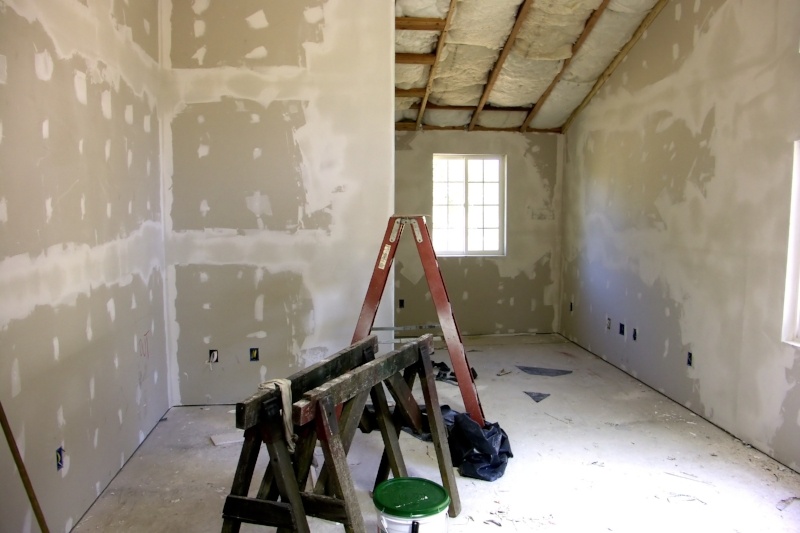
If It Looks Dry, It Is Dry” – What Florida Homeowners Get Wrong
Let’s be honest: this is one of the most common mistakes homeowners make. You spot water stains on a ceiling or a corner of drywall. You see it looks dry now. You think, “Cool, problem solved.”
Spoiler alert: it’s not. Not even close.
After years of conducting mold inspection, mold testing, mold removal, and mold remediation across Florida homes, I can tell you that this mistake alone accounts for countless recurring mold issues, hidden structural damage, and indoor air quality problems.
Trust me, just because it looks dry doesn’t mean it actually is. And ignoring it? Well, that’s when problems snowball.
Why “Looks Dry” is a Dangerous Assumption
Water behaves differently than most homeowners expect. Dry to the eye doesn’t mean dry to the touch — and certainly doesn’t mean there’s no moisture lurking behind walls, under floors, or in insulation.
Here’s the reality:
- Hidden moisture can persist for months or years behind drywall, under subfloors, or inside cabinetry.
- Mold spores can begin to grow within 24–48 hours of moisture exposure, even if the surface looks dry.
- Structural damage may already be taking place inside walls, weakening wood framing or drywall backing.
Ever thought your home was safe because a ceiling patch looked dry? Yeah, we see that all the time — and then we open it up to find a mini mold colony thriving.
Common Scenarios in Florida Homes
Florida’s climate makes this mistake especially costly. Humid air, coastal moisture, and summer storms create hidden water issues everywhere.
Here’s what we see most often:
1. Roof Leaks
You notice a small stain on your ceiling from last week’s rainstorm. It looks dry. You pat yourself on the back.
Reality check: moisture often stays trapped between the roof deck and drywall. Condensation continues to collect during humid nights. By the time you notice mold, it’s spread extensively inside the attic and ceiling cavity.
2. Plumbing Drips
A minor leak under a sink, behind a toilet, or along a pipe often goes unnoticed. The visible area may dry quickly. But drywall, flooring, or insulation can hold moisture for months — giving mold the perfect environment to grow silently.
3. AC Condensation
South Florida homes run AC constantly. If drain lines clog or coils leak, condensation collects inside ducts or behind walls. Surface areas might appear dry, but hidden mold develops within the insulation or framing.
4. Bathroom and Kitchen Spills
We see water damage from showers, tubs, and sinks that looked “fine” because a surface dried overnight. But humidity trapped behind tile or cabinetry creates mold growth within days.
How Hidden Moisture Affects Mold Growth
Here’s the kicker: mold doesn’t care about what you see.
Mold spores float in the air. Once they land on a damp surface, they begin colonizing immediately. Some species start releasing spores into the air while still hidden inside walls or insulation.
Signs of hidden mold often go unnoticed until:
- Musty odors develop
- Allergy symptoms flare indoors
- Paint bubbles or drywall warps appear
- Health symptoms persist, even in “clean” homes
FYI, this is why DIY cleaning often fails. Wiping a surface looks good, but spores behind the wall continue to multiply.
Why Moisture Meters and Thermal Imaging Are Game-Changers
Relying on sight alone is a gamble. Professional inspections use tools to detect what the eye can’t see:
- Moisture meters measure water content in drywall, wood, and insulation.
- Thermal imaging cameras reveal temperature anomalies caused by moisture behind walls.
- Hygrometers monitor humidity levels inside rooms and cavities.
These tools allow experts to uncover hidden moisture before mold and structural damage take hold.
DIY Mistakes Homeowners Make
Homeowners often make these mistakes after seeing a “dry” area:
- Assuming the problem disappeared after a quick wipe or fan-drying
- Painting over stains without testing moisture levels
- Ignoring nearby areas that may still be wet inside walls, floors, or cabinets
- Skipping professional inspection to confirm safety
We see homes where a small dry-looking spot hides a massive infestation inside the wall. By the time the homeowner notices health symptoms or musty odors, remediation costs have skyrocketed.
The Hidden Costs of Ignoring Moisture
Let’s talk numbers — and consequences:
- Mold remediation for hidden colonies behind walls, under floors, or in attics can cost thousands of dollars
- HVAC contamination spreads spores, requiring duct cleaning or replacement
- Structural repairs: drywall replacement, wood framing repairs, and subfloor replacements
- Health impacts: long-term exposure can cause allergies, asthma flare-ups, and chronic respiratory issues
- Property value drops: undiscovered moisture and mold reduce resale value
In short, ignoring “dry-looking” areas doesn’t save money — it costs more over time.
How Professionals Handle “Looks Dry” Cases
When we encounter areas that appear dry but may hold moisture:
- Moisture mapping: we check surrounding walls, floors, and ceilings to locate hidden wet spots
- Thermal imaging: identifies anomalies indicating trapped water
- Mold testing: air and surface samples confirm whether spores are present
- Remediation planning: isolates affected areas, removes contaminated materials, and fixes moisture sources
Doing it right the first time prevents recurrence and protects both home and health.
Practical Tips for Florida Homeowners
Here’s what you can do to avoid the “looks dry” trap:
- Always check for hidden moisture using moisture meters or professional inspection
- Monitor indoor humidity — keep it below 60% year-round
- Inspect AC systems: check drain lines, coils, and duct insulation
- Look beyond the stain: check nearby walls, flooring, and ceilings
- Address leaks immediately — even minor ones
- Schedule regular mold inspections to catch issues before they escalate
A small investment in inspection now saves thousands in remediation later.
Red Flags That “Looks Dry” Isn’t Enough
Watch for subtle hints:
- Musty odors that appear even after cleaning
- Allergies or asthma worsening indoors
- Paint peeling or drywall warping near previously wet areas
- Condensation near vents or windows
If you notice any of these, it’s time for professional assessment — even if the surface seems perfectly dry.
Why DIY Wipes and Fans Don’t Cut It
Surface drying tricks homeowners into a false sense of security:
- Wiping only removes superficial water
- Fans may dry the top layer while moisture persists inside walls or insulation
- Disturbing hidden mold without containment spreads spores
- Temporary fixes don’t stop moisture sources
Professional remediation addresses both visible and hidden moisture, preventing mold from coming back.
The Big Takeaway
Mistake #1 — assuming that “if it looks dry, it is dry” — is a costly one.
Florida homes are especially vulnerable due to humidity, storms, and AC condensation. Hidden moisture leads to:
- Mold growth
- Health problems
- Air quality issues
- Structural damage
- Financial consequences
Don’t let appearances fool you. Proper inspection, moisture measurement, and professional remediation save money, protect health, and preserve your home’s integrity.
Final Thoughts
Next time you see a dry-looking stain, ask yourself:
- Is it really dry inside the wall or under the floor?
- Could mold be silently growing behind it?
- Should I have it professionally checked before it becomes a bigger problem?
Remember: mold and moisture don’t care what your eyes see. They care about what conditions exist behind the surface.
Address moisture proactively, inspect regularly, and don’t rely on appearances alone. Your home — and your family — will thank you for it. 🙂
