
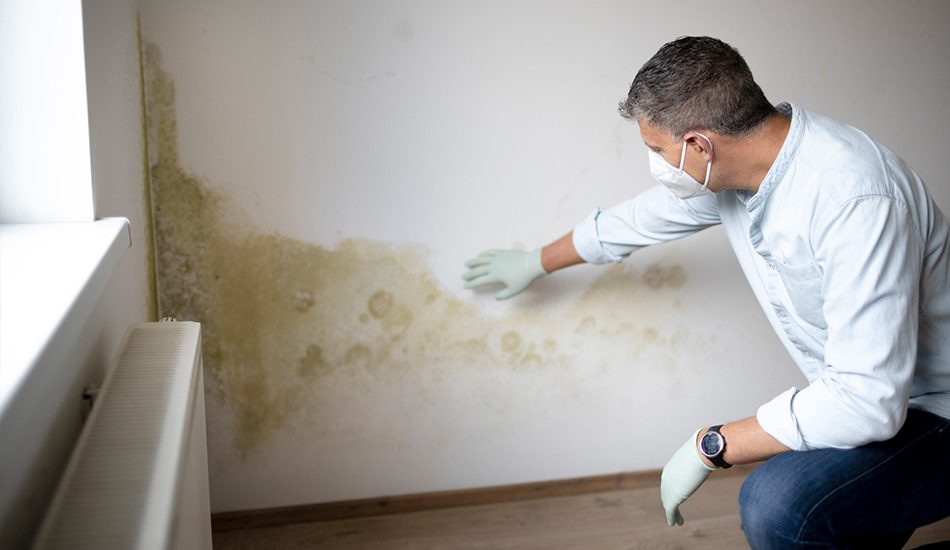
What Most People Get Wrong: Hidden Mold Insights for Homes in Fort Lauderdale
Fort Lauderdale’s beautiful weather and coastal lifestyle come with a side effect many homeowners overlook: hidden mold. Because this region is warm and humid year-round, moisture can lurk behind walls, under floors, and inside ductwork, quietly feeding mold growth long before anyone smells it. Misunderstanding hidden mold leads to costly damage, health issues, and repeated cleanups.
Here’s what most Fort Lauderdale homeowners get wrong — and how to actually stay ahead of hidden mold.
🧠 Misconception #1 — “If I Can’t See It or Smell It, It’s Not There”
Most people assume that mold will make itself obvious. But that’s just not true in homes here.
What’s Really Happening
- Mold thrives in dark, moist, poorly ventilated spaces — under sinks, inside wall cavities, attic insulation, crawl spaces, and HVAC systems.
- Hidden mold often produces no strong odor at first, especially if airflow is limited.
- By the time you notice something, mold may have been growing for months or years.
💡 Insight: Don’t wait for visible signs — proactive inspection catches hidden mold early.
🧹 Misconception #2 — “I Can Just Clean Mold With Store-Bought Products”
Bleach and sprays might remove surface stains, but they don’t fix the underlying issue.
Why DIY Often Fails
- Surface cleaning does not remove mold roots (hyphae) embedded in porous materials.
- Without fixing the moisture source, mold returns — often worse than before.
- Scrubbing without containment can spread spores into the air and other rooms.
💡 Insight: Effective remediation requires a professional, systematic approach — not quick fixes.
🧪 Misconception #3 — “All Mold Is the Same and Needs the Same Treatment”
Not all mold behaves the same — and different types require different responses.
Important Differences
- Some molds are superficial and can be managed easily.
- Others (like Stachybotrys and certain Aspergillus species) grow deep in materials and are tougher to remove.
- Mold inside HVAC systems versus behind drywall versus under flooring each demands a different treatment plan.
💡 Insight: Don’t gamble with a one-size-fits-all solution — proper identification matters.
🛠️ Misconception #4 — “Fixing Mold Doesn’t Require Addressing the Moisture Source”
Mold doesn’t just appear — it grows because moisture is present.
Common Hidden Moisture Sources in Fort Lauderdale
- Leaky plumbing behind walls or under floors
- Condensation on AC ducts due to high humidity
- Poor attic ventilation leading to damp insulation
- Roof or window leaks after storms
- Flooding or seepage from heavy rain
💡 Insight: If you remove mold but leave moisture, the issue returns — guaranteed.
🚫 Misconception #5 — “Mold Testing Is Unnecessary”
Skipping testing might save a few dollars now, but it often leads to higher costs later.
Why Testing Matters
- Confirms whether mold levels are above normal indoor levels
- Identifies the species present
- Helps define the scope and severity of contamination
- Guides professionals to a targeted remediation plan
💡 Insight: Testing isn’t optional — it’s a key step in effective mold management.
📉 Misconception #6 — “Mold Removal Is Just an Expense, Not an Investment”
Treating mold as a cost instead of prevention and protection leads to repeat problems.
The Hidden Costs of Getting It Wrong
- Structural damage from prolonged mold growth
- Degraded indoor air quality leading to health issues
- Recurring outbreaks despite repeated cleanups
- Higher HVAC and energy costs
- Lower resale value and inspection hurdles
💡 Insight: Proper remediation protects both your home and your family’s health — and saves money over time.
🧼 What Real Hidden Mold Remediation Looks Like
A professional, thorough process should include:
✔ Inspection & testing — visual, air, and surface sampling
✔ Moisture diagnosis — finding and fixing leaks, humidity sources
✔ Containment — stopping spores from spreading during cleaning
✔ Removal of contaminated materials when necessary
✔ Deep cleaning & disinfection
✔ Post-remediation verification to confirm success
This isn’t a quick wipe-down — it’s a science-based solution.
🏡 How to Protect Your Fort Lauderdale Home
Take these steps to prevent hidden mold growth:
- Control indoor humidity (30–50%) with dehumidifiers and ventilation
- Change HVAC filters regularly
- Schedule routine HVAC maintenance
- Fix leaks and water issues promptly
- Inspect attics, crawl spaces, and ductwork seasonally
Being proactive costs less than fixing a mold crisis.
📌 Bottom Line
Hidden mold is one of the most misunderstood threats in Fort Lauderdale homes — and that misunderstanding is exactly why it becomes expensive. By knowing what to look for, trusting proper testing, targeting moisture sources, and working with professionals, you protect your home’s value, comfort, and your family’s well-being.
If you want, I can create a hidden mold risk checklist specifically for Fort Lauderdale homes or a seasonal maintenance plan to keep mold at bay year-round.
