
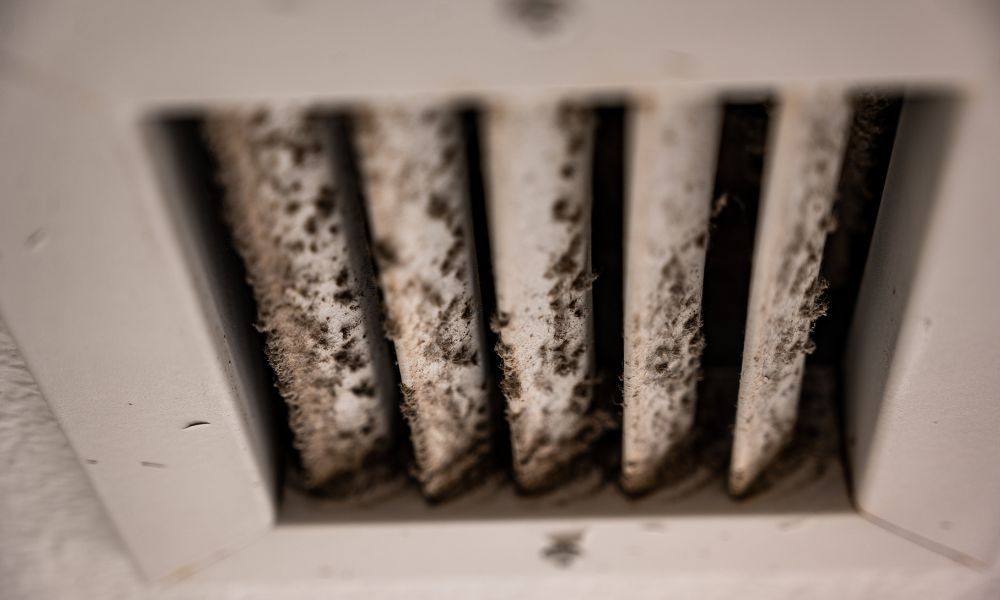
Lessons From Real Inspections: Air Duct Mold Insights for Homes in Broward County
Air duct mold doesn’t usually start with panic—it starts with confusion. The AC works, the house feels cool, and nothing looks wrong. Real inspections across Broward County tell a different story. Over and over, inspectors find mold quietly growing inside duct systems while homeowners focus on symptoms popping up in completely different rooms.
If mold keeps returning, the air smells musty, or the house never feels truly fresh, the ductwork often holds the missing piece.
Why Air Duct Mold Shows Up So Often in Broward County Homes
Broward County homes face near-perfect conditions for air duct mold. High humidity, nonstop AC use, and daily condensation create an environment mold doesn’t want to leave.
Real inspection patterns show air duct mold develops because:
- Humidity stays high most of the year
- AC systems run for long stretches
- Condensation forms inside ducts
- Duct interiors stay dark and undisturbed
Ever think, “If the vents look clean, the ducts must be fine”? Inspectors hear that one a lot.
Where Mold Actually Starts Inside Air Duct Systems
It’s Rarely the Vent Covers
Real inspections almost never find mold starting at vents. Vents just reveal what’s already happening deeper inside the system.
Inspectors most often find mold:
- Inside air handlers
- On evaporator coils
- In return ducts
- On duct liner insulation
- Near condensation-prone sections
Once mold establishes itself here, airflow does the rest.
Condensation: The Moisture Source Most Homeowners Miss
Condensation doesn’t look dramatic, which makes it easy to ignore. Unfortunately, it’s one of the biggest contributors to air duct mold.
Condensation builds up when:
- Warm, humid air meets cold duct surfaces
- Drain lines clog or slow
- Airflow becomes restricted
- AC systems short-cycle
IMO, condensation causes more repeat duct mold cases than actual leaks because it happens quietly and constantly.
How Air Duct Mold Spreads Through the Home
Air ducts don’t trap mold—they transport it. Every cooling cycle pushes spores wherever conditioned air travels.
Inspections frequently connect air duct mold to:
- Mold appearing in multiple rooms
- Musty odors that move through the house
- Dust that returns quickly
- Growth near vents after cleaning
- Indoor air quality complaints
People clean rooms repeatedly while the source keeps circulating overhead.
Why Broward County Homes Face Higher Duct Mold Risk
Local conditions play a huge role.
Homes across Broward County deal with:
- Persistent humidity
- Heavy AC dependence
- Limited natural ventilation
- Condensation-prone duct designs
- Storm-related moisture intrusion
Even newer homes show air duct mold when moisture control falls short.
Early Warning Signs Inspectors See Before Mold Becomes Obvious
Air duct mold rarely announces itself visually. It leaves subtle clues first.
Common early signs include:
- Musty smells when the AC turns on
- Odors strongest near vents
- Allergy symptoms indoors
- Rooms that never feel fresh
- Dust buildup near registers
FYI, smells tied to AC cycles almost always point back to duct or HVAC involvement.
What Real Air Duct Inspections Usually Reveal
Homeowners often expect clean ducts if vents look okay. Inspections usually tell a different story.
Common findings include:
- Mold on duct liner insulation
- Contaminated air handlers
- Moisture buildup in return ducts
- Condensation near supply vents
- Elevated airborne mold levels
Visible mold at vents usually appears late—not early.
Air Duct Cleaning vs. Mold Remediation: The Costly Confusion
This mix-up shows up constantly in inspection reports.
Here’s the real difference:
- Air duct cleaning removes dust and debris
- Mold remediation addresses contamination and fixes moisture conditions
When mold exists, cleaning alone almost never prevents it from coming back.
Why DIY Air Duct Mold Fixes Fail Inspections
DIY sprays, wipes, and vent cleaning feel productive, but follow-up inspections rarely show success.
DIY efforts fail because:
- Hidden duct interiors stay contaminated
- Moisture sources remain active
- No containment spreads spores
- Air handlers stay untouched
Scrubbing vents without addressing the system often spreads mold further.
How Air Duct Mold Impacts Indoor Air Quality
Air duct mold affects every breath taken inside the home. Spores and mold byproducts circulate continuously.
Inspectors often connect duct mold to:
- Persistent musty odors
- Allergy-like symptoms
- Headaches indoors
- Fatigue at home
- Air that never feels clean
Air quality usually changes long before visible mold appears.
Why Mold Testing Helps With Air Duct Cases
Data Confirms What Eyes Can’t See
Mold testing helps confirm how widespread duct contamination has become.
Testing helps:
- Measure airborne mold levels
- Confirm HVAC involvement
- Identify airflow-related spread
- Guide remediation scope
- Verify improvement after cleanup
Testing turns suspicion into clarity instead of guesswork.
What Mold Remediation Reveals During Duct Projects
Once remediation begins, inspectors often uncover additional issues.
Remediation frequently reveals:
- Previously hidden moisture sources
- Multiple contaminated duct sections
- Air handler involvement
- Conditions that allowed mold to spread
That’s not bad luck—it’s how air duct mold behaves.
Why Delaying Air Duct Mold Action Costs More
Inspection data shows a clear trend. Early duct mold stays contained. Delayed cases spread.
Delaying action often leads to:
- Widespread mold contamination
- HVAC system damage
- Higher remediation costs
- Longer project timelines
- Greater disruption
Time never works in the homeowner’s favor here.
Patterns Seen in Repeat Air Duct Mold Cases
Repeat cases almost always share the same mistakes.
Inspectors see recurrence when:
- Moisture problems stay unresolved
- Only duct cleaning gets done
- Air handlers get ignored
- No post-remediation verification occurs
Fixing symptoms instead of causes explains the repeat cycle.
Practical Steps Broward County Homeowners Can Take
You don’t need panic—just awareness.
Helpful steps include:
- Monitoring indoor humidity
- Addressing AC drainage issues quickly
- Watching for condensation near vents
- Investigating musty odors early
- Scheduling HVAC-focused inspections
Early steps keep problems manageable.
Why Early Inspections Matter in Broward County Homes
Homes here face:
- Constant humidity
- Heavy AC usage
- Condensation-prone systems
- Storm-related moisture intrusion
Early inspections catch air duct mold before it spreads beyond control.
Final Thoughts: Air Duct Mold Follows Patterns, Not Surprises
Air duct mold doesn’t appear randomly. Real inspections across Broward County show the same causes, behaviors, and outcomes again and again. When moisture stays active and duct systems go unchecked, mold spreads quietly and efficiently.
When homeowners learn from inspection patterns—control moisture, inspect HVAC systems, and remediate fully—air duct mold loses its advantage. The system goes back to doing what it’s meant to do: moving clean air, not mold.
