
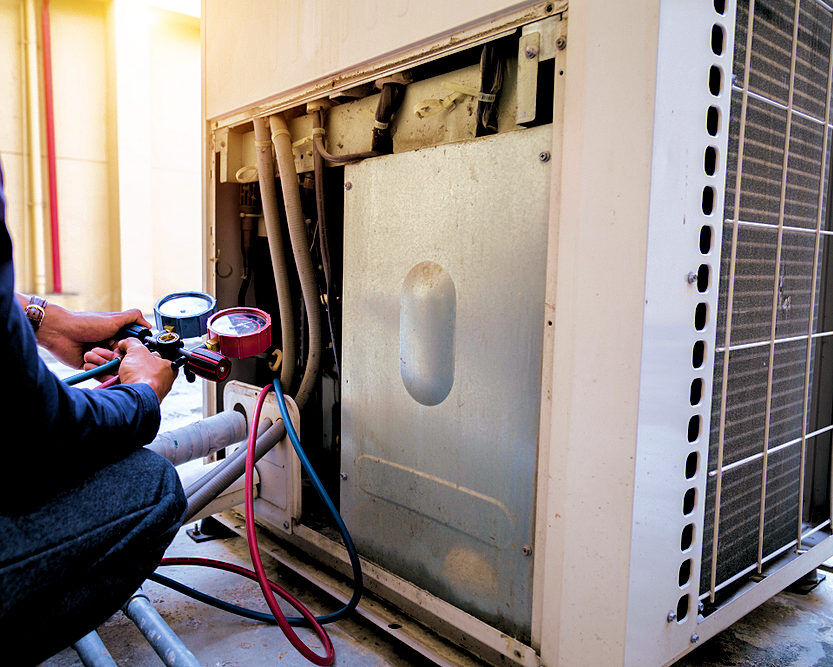
Indoor Air Quality Issues in Florida Homes – Practical Advice From Experts for Homes in Pompano Beach
Let’s be real for a second.
If your home looks clean but still smells musty… something’s off.
You dust. You vacuum. You change air fresheners. Yet allergies flare up and headaches kick in. Sound familiar?
In humid coastal cities like Pompano Beach, indoor air quality problems show up more often than most homeowners realize. After years of handling mold inspection, mold testing, mold removal, and full mold remediation, I can tell you this — bad indoor air almost always traces back to hidden moisture or contamination.
So let’s break it down. No fluff. Just real, practical advice for homes across Pompano Beach.
Why Florida Homes Struggle With Indoor Air Quality
Florida climate creates the perfect indoor air challenge.
You deal with:
- High humidity year-round
- Salt-heavy coastal air
- Constant AC usage
- Frequent rainstorms
When humidity stays above 60% indoors, mold spores activate. And remember — spores already exist in your home. They just wait for moisture.
Ever notice how air feels heavier during summer? That moisture doesn’t disappear when you shut the door.
The Biggest Indoor Air Quality Culprits We See
Most homeowners assume pollen causes indoor symptoms.
Sometimes. But inside Pompano Beach homes, we usually find something else.
1. Mold Inside HVAC Systems
Your AC runs nonstop in South Florida.
When drain lines clog or ducts sweat, moisture builds inside air handlers. Mold grows in dark, damp areas and spreads spores through the entire house.
If you smell something musty when the AC kicks on, that’s not “normal Florida air.”
2. Hidden Wall and Ceiling Mold
Roof leaks and plumbing drips create moisture behind drywall.
From the outside, walls look fine. Inside? Mold colonies expand quietly.
Indoor air quality drops because spores circulate through return vents and cracks.
Your air becomes contaminated without visible signs.
3. Dirty or Contaminated Air Ducts
Ductwork collects:
- Dust
- Debris
- Pet dander
- Moisture
Add humidity, and microbial growth follows.
When air circulates, those particles travel room to room.
Ever clean constantly but still feel like the air feels “dusty”? That’s a red flag.
Signs Your Indoor Air Quality Needs Attention
You don’t need lab equipment to notice a problem.
Watch for:
- Persistent musty odor
- Worsening allergy symptoms indoors
- Headaches or sinus pressure
- Condensation on vents
- Uneven humidity levels
If symptoms improve when you leave the house, that’s a strong indicator.
Your body often detects poor air before your eyes do. FYI.
Why Professional Mold Inspection Matters
Guessing wastes money.
A proper mold inspection in Pompano Beach includes:
- Moisture mapping
- Thermal imaging
- HVAC system evaluation
- Air sampling
- Surface testing
We identify the source, not just the symptom.
Without inspection, you might replace filters endlessly while mold grows behind walls.
Mold Testing: The Smart Way to Confirm Air Contamination
Some homeowners skip mold testing because they assume visible mold tells the story.
It doesn’t.
Professional testing reveals:
- Indoor vs. outdoor spore levels
- Airborne contamination severity
- Type of mold present
- Whether remediation is necessary
Testing prevents overreaction and underreaction.
IMO, testing protects both your health and your wallet.
Mold Removal vs. Mold Remediation and Indoor Air Quality
Here’s where many people get confused.
Mold Removal
- Cleans visible growth
- Works for small areas
- May not fix air contamination
Mold Remediation
- Fixes moisture source
- Uses containment barriers
- Runs HEPA air scrubbers
- Removes contaminated materials
- Restores safe indoor air
If indoor air quality suffers, remediation usually solves the root cause.
Removal alone often leaves airborne spores behind.
Practical Expert Advice for Improving Indoor Air in Pompano Beach Homes
Let’s talk solutions.
Here’s what actually works:
- Keep indoor humidity below 60%
- Service HVAC systems twice yearly
- Clean AC drain lines regularly
- Install proper bathroom ventilation
- Replace air filters on schedule
- Schedule periodic mold inspections
Small adjustments prevent major air quality issues later.
Humidity control alone reduces mold growth significantly.
Why DIY Air Purifiers Aren’t Always Enough
Air purifiers help. But they don’t solve hidden moisture.
You can’t filter out mold growing behind drywall.
If poor air quality persists despite cleaning and filter changes, you likely face a moisture-based issue.
Professional remediation includes HEPA filtration during cleanup. That step removes airborne spores safely.
Scrubbing visible spots without containment spreads contamination.
How Poor Indoor Air Impacts Property Value
Planning to sell someday?
Indoor air quality problems can:
- Lower buyer confidence
- Trigger inspection red flags
- Delay closing
- Require remediation before sale
Buyers in Broward County understand mold risks. Inspectors check carefully.
Addressing air quality early protects both comfort and equity.
The Coastal Factor in Pompano Beach
Living near the ocean adds extra humidity and salt exposure.
Salt air accelerates corrosion in HVAC systems. Corrosion creates small failures. Small failures allow moisture.
Moisture leads to mold.
See the pattern?
Coastal homes require consistent maintenance. Skipping HVAC service almost guarantees indoor air issues eventually.
Final Thoughts: Clean Air Isn’t Automatic in Florida
Indoor air quality in Florida homes doesn’t stay healthy by accident.
Homes in Pompano Beach face constant humidity pressure. That means homeowners must stay proactive.
If your home smells musty, if allergies worsen indoors, or if condensation appears regularly — don’t ignore it.
Schedule inspection. Test properly. Fix moisture fast.
Clean-looking air doesn’t always mean clean air.
Healthy homes require attention. And trust me, breathing easier feels a lot better than guessing what’s floating around in your living room 🙂
