
Moisture Problems Most Homeowners Miss – What We See Inside Homes for Homes in Deerfield Beach
Moisture problems don’t usually announce themselves. They don’t come with alarms or flashing warnings. They quietly sit behind walls, under floors, and inside systems until something bigger finally shows up. Real inspections inside homes in Deerfield Beach prove this constantly. By the time homeowners notice mold, odors, or air quality issues, moisture has often been active for a long time.
If moisture problems feel like they came out of nowhere, chances are they didn’t. They were just hidden well.
Why Moisture Gets Missed So Often in Deerfield Beach Homes
Living near the coast changes expectations. Humidity feels normal. AC runs nonstop. A little condensation doesn’t seem urgent.
Moisture problems get overlooked because:
- High humidity feels routine
- AC makes homes feel dry
- Leaks stay slow and hidden
- Surfaces often look fine
Ever say, “That’s just Florida”? Moisture absolutely loves that mindset.
What We Actually See During Interior Inspections
Moisture Rarely Shows Up Alone
Real inspections rarely find just one moisture issue. They usually find several small ones working together.
Common findings include:
- Damp drywall behind clean walls
- Moist insulation
- Condensation-fed mold
- Hidden water intrusion
- HVAC-related moisture
IMO, moisture problems stack up quietly until symptoms finally appear.
Condensation: The Moisture Source Most People Ignore
Condensation causes more long-term moisture damage than dramatic leaks. It forms daily and disappears just fast enough to avoid attention.
We frequently see condensation:
- On AC vents and registers
- Inside ductwork
- On bathroom ceilings
- Near exterior walls
- Inside AC closets
Condensation doesn’t evaporate harmlessly—it feeds moisture into surrounding materials.
AC Systems Create Moisture Even When They Work Properly
Air conditioners remove humidity, but they also generate moisture that needs proper drainage and airflow.
Inspection findings often include:
- Standing water in drain pans
- Clogged drain lines
- Wet evaporator coils
- Condensation inside ducts
- Damp insulation near vents
If drainage or airflow falls short, moisture stays trapped and problems start quietly.
Slow Plumbing Leaks That Fly Under the Radar
Not every leak floods the floor. Many stay hidden inside cabinets or walls for months or even years.
We commonly find:
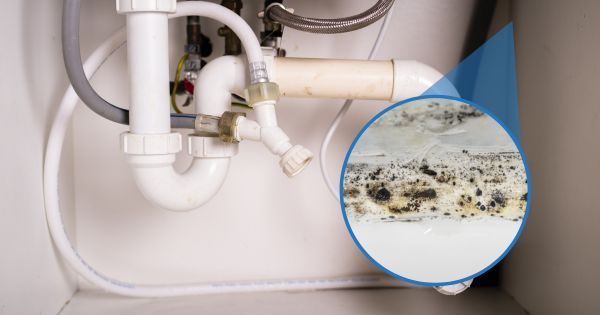
- Leaks under sinks
- Moisture behind shower walls
- Slow pipe seepage
- Swollen cabinets
- Warped baseboards
Because damage happens slowly, homeowners rarely notice until odors or mold appear.
Bathroom Moisture That Never Fully Dries
Bathrooms create moisture constantly. Without proper ventilation, that moisture has nowhere to go.
Common bathroom issues include:
- Weak exhaust fans
- Fans rarely used
- Steam trapped behind walls
- Condensation on ceilings
- Moisture behind tile
If mirrors stay foggy long after showers end, moisture likely stays active where you can’t see it.
Kitchen Moisture Most People Don’t Think About
Kitchens hide moisture better than bathrooms. Small leaks and humidity from cooking often go unnoticed.
Inspections often reveal:
- Leaks under sinks
- Moisture behind dishwashers
- Poor ventilation while cooking
- Condensation near exterior walls
FYI, cabinet interiors often show damage before anything appears on the outside.
Attic Moisture: Out of Sight, Big Impact
Attics play a huge role in moisture control, yet they’re rarely checked.
We frequently see:
- Condensation on roof decking
- Damp insulation
- Poor attic ventilation
- Bathroom vents exhausting into attics
Moist attics don’t stay isolated. They affect ceilings, walls, and indoor air quality below.
Flooring That Traps Moisture Below the Surface
Certain flooring materials hide moisture extremely well. Tile, vinyl, and laminate often trap moisture underneath.
Inspection findings include:
- Damp subfloors
- Hidden mold beneath flooring
- Musty odors with no visible source
- Cool or damp floor areas
If floors smell musty but look fine, moisture usually sits underneath.
Storm-Related Moisture That Never Fully Dries
Coastal storms introduce moisture in subtle ways. Wind-driven rain enters through small gaps that don’t leave obvious stains.
We often find moisture near:
- Windows and door frames
- Roof penetrations
- Wall flashing
- Exterior cracks
Water doesn’t need to pour in to cause damage—it just needs time.
Humidity Turns Small Moisture Issues Into Big Ones
Humidity acts like a multiplier. Small leaks that might dry elsewhere stay wet longer in Deerfield Beach.
High humidity causes:
- Slow evaporation
- Persistent damp materials
- Recurring condensation
- Higher mold risk
Ever notice paint bubbling or baseboards warping without obvious leaks? Humidity usually plays a role.
What Moisture Looks Like Before Mold Appears
Mold usually shows up late. Moisture leaves clues first.
Early signs include:
- Musty odors
- Recurring stains
- Peeling paint
- Warped materials
- Humidity that feels heavy
Catching moisture early prevents mold from becoming the next chapter.
Why DIY Checks Miss These Moisture Problems
DIY checks rely on sight and touch. Hidden moisture doesn’t cooperate.
DIY efforts miss issues because:
- Moisture hides inside materials
- Condensation comes and goes
- HVAC systems go unchecked
- No measurements get taken
Professional inspections focus on data, not assumptions.
How Missed Moisture Leads Directly to Mold Problems
Mold doesn’t appear randomly. It grows where moisture stays active long enough.
Missed moisture problems lead to:
- Hidden mold growth
- Recurring odors
- Indoor air quality issues
- Material deterioration
- Higher remediation costs
Fixing mold without fixing moisture almost guarantees repeat problems.
Why Small Moisture Problems Cost More When Ignored
Inspection data shows a clear pattern. Homes that ignore early moisture signs pay more later.
Delays often lead to:
- Widespread mold
- Removal of drywall and insulation
- HVAC contamination
- Longer repair timelines
- Higher overall costs
Small moisture issues rarely stay small.
Practical Steps Deerfield Beach Homeowners Can Take
You don’t need panic—just consistency.
Helpful steps include:
- Monitoring indoor humidity
- Using bathroom exhaust fans
- Checking under sinks regularly
- Addressing condensation quickly
- Investigating musty odors early
- Scheduling inspections after storms or leaks
Early attention saves money and stress.
Why Deerfield Beach Homes Need Proactive Moisture Control
Homes here deal with:
- Coastal humidity
- Heavy AC usage
- Frequent storms
- Limited drying time
- Condensation-prone construction
Moisture control isn’t optional—it’s essential.
Final Thoughts: Moisture Is the Problem Most People Never See
Moisture problems rarely feel urgent, but they quietly cause the biggest issues over time. Real inspections inside Deerfield Beach homes show that mold, odors, and air quality problems almost always trace back to moisture that stayed unnoticed.
Watch the small signs, respect the climate, and act early. When moisture stays under control, mold usually doesn’t get the chance to move in—and that’s the outcome every homeowner actually wants.
