
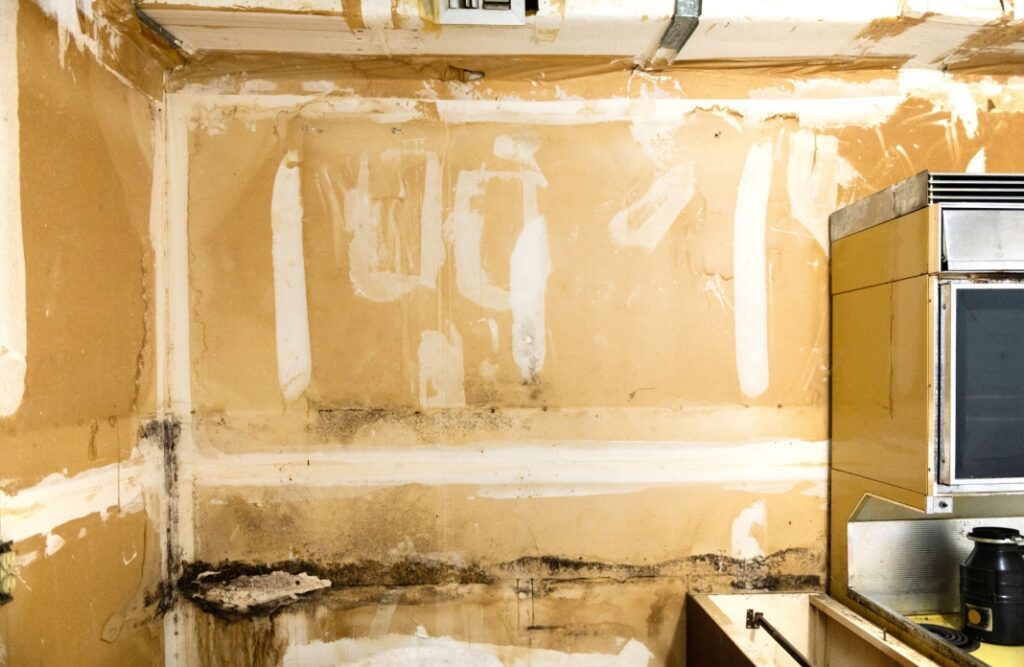
black mold drywall florida home”,”stachybotrys mold moisture damaged wall”,”black mold behind drywall florida”,Black Mold Insights for Homes in Pembroke PinesFew words trigger homeowner panic faster than black mold. People picture worst-case scenarios, grab bleach, and start scrubbing like the house personally offended them.Black mold problems don’t explode overnight, and they don’t show up because someone skipped cleaning. They show up when moisture stays active long enough for mold to settle in and get comfortable.Let’s separate facts from myths, minus the fear tactics and misinformation that usually make things worse.—Myth #1: “Black Mold Only Appears After Major Flooding”This myth keeps homeowners from taking small water problems seriously. In reality, black mold rarely needs a dramatic event.What inspections actually show:Slow leaks cause more black mold than floodsCondensation feeds mold quietlyMinor water damage creates long-term moistureHidden damp materials matter more than visible waterIMO, floods get attention fast. Slow moisture gets ignored—and that’s where black mold thrives.—Fact: Black Mold Needs Time, Not ChaosBlack mold doesn’t rush. It grows when moisture stays active for days or weeks inside organic materials.Common moisture sources in Pembroke Pines homes include:AC condensationClogged drain linesRoof leaks after stormsWindow or door intrusionSlow plumbing leaksHigh indoor humidityNo drama required—just moisture that never fully dries.—Myth #2: “If I See Black Mold, the Whole House Is Dangerous”Seeing black mold feels alarming, but visible growth rarely tells the full story on its own.The reality:Visible mold shows where moisture surfacedHidden mold often exists elsewhereOne area doesn’t define the entire homeContext matters more than colorInspections focus on conditions and spread, not panic over one spot.—Fact: Color Alone Doesn’t Define RiskMany mold types appear dark or black. Inspectors don’t diagnose based on color—they look at location, moisture, and material damage.Key inspection focus areas include:How long moisture stayed activeWhether growth exists inside materialsHVAC system involvementAir quality impactBlack mold isn’t special because it’s black—it’s problematic when conditions allow it to persist.—Myth #3: “Bleach Kills Black Mold Permanently”This myth refuses to die. Bleach feels powerful, but inspections don’t support its reputation.What inspectors consistently find:Bleach lightens surface stainsIt doesn’t penetrate drywall or woodMoisture remains trappedMold regrows underneathFYI, bleach often makes black mold look gone while conditions quietly get worse.—Fact: Black Mold Grows Inside Materials, Not Just On ThemBlack mold roots itself into porous materials. That’s why surface cleaning rarely works long-term.Inspectors often find black mold:Behind drywallInside wall cavitiesUnder flooringInside insulationBehind baseboardsNear AC closetsVisible growth usually represents a small part of what’s actually present.—Myth #4: “Black Mold Means Immediate Health Danger”Health effects vary widely from person to person. Inspections don’t jump to conclusions about symptoms.What data actually shows:Some people react stronglyOthers notice no symptomsExposure levels matter more than labelsIndoor air quality plays a major roleSymptoms alone don’t diagnose mold—but they do justify inspection.—Fact: Air Quality Changes Before Damage Becomes ObviousHomes with black mold often show air quality changes early.Common indoor effects include:Persistent musty odorsIrritation indoorsFatigue at homeAllergy-like symptomsAir that never feels freshAir quality shifts usually appear before visible mold spreads.—Myth #5: “If I Clean It Once, It Won’t Come Back”This belief explains most repeat black mold cases.Black mold returns because:Moisture never got fixedMaterials stayed damp internallyHumidity stayed highHVAC systems spread sporesCleaning without changing conditions only pauses growth.—Fact: Moisture Control Stops Black Mold RecurrenceReal inspections show black mold stops returning when moisture changes—not when surfaces look better.Effective solutions include:Fixing moisture sourcesControlling indoor humidityRemoving contaminated materialsAddressing HVAC involvementVerifying conditions afterwardIt’s a process, not a product.—Myth #6: “Black Mold Only Grows in Old or Neglected Homes”This one surprises people the most.Inspection data shows:New homes get black moldClean homes get black moldRenovated homes get black moldWell-maintained homes get black moldAge and cleanliness don’t matter. Moisture does.—Fact: Pembroke Pines Homes Face Ideal Conditions for Black MoldLocal conditions accelerate mold growth faster than homeowners expect.Pembroke Pines homes deal with:High year-round humidityHeavy AC usageCondensation-prone constructionStorm-related moistureLimited natural dryingEven small moisture issues escalate quickly here.—Myth #7: “Black Mold Is Always Easy to Spot”Visible growth usually appears late in the process.Black mold stays hidden because:Drywall hides internal growthFlooring traps moistureOdors come and goAC masks moisture problemsBy the time it’s visible, it often spread elsewhere.—Fact: Inspections Find Black Mold in the Same Hidden PlacesReal inspections consistently uncover black mold:Behind wallsUnder flooringInside AC closetsNear plumbingInside HVAC systemsHidden growth causes the most damage because it goes unnoticed longest.—Myth #8: “Air Duct Cleaning Fixes Black Mold”Air duct cleaning helps maintenance—not mold remediation.Why it fails alone:Moisture remainsAir handlers stay contaminatedCondensation continuesSpores recolonize ductsBlack mold needs remediation, not just cleaning.—Fact: HVAC Systems Spread Black Mold EfficientlyOnce mold exists anywhere, HVAC systems distribute spores everywhere.Inspectors often link black mold cases to:Contaminated air handlersCondensation on coilsMold inside duct insulationWhole-house odor patternsIgnoring HVAC involvement explains repeat problems.—Why Delaying Black Mold Action Costs MoreInspection data shows costs rise with time.Delays often lead to:Wider contaminationRemoval of drywall and insulationHVAC system involvementLonger remediation timelinesHigher total costsEarly action almost always limits damage.—Practical Steps Pembroke Pines Homeowners Can TakeYou don’t need panic—just strategy.Smart steps include:Monitoring indoor humidityInvestigating musty odors earlyAddressing condensation quicklyChecking AC drainageScheduling inspections after leaks or stormsEarly awareness prevents expensive surprises.—Final Thoughts: Facts Beat Fear Every TimeBlack mold doesn’t appear because a home is dirty or doomed. Homes in Pembroke Pines show that black mold follows moisture, time, and ignored conditions—not horror stories. When homeowners drop the myths, focus on moisture control, and act early, black mold usually loses its advantage.Fix the conditions, not just the color. When moisture stays under control, black mold usually doesn’t get the chance to move in—and that’s the outcome every homeowner actually wants.
