
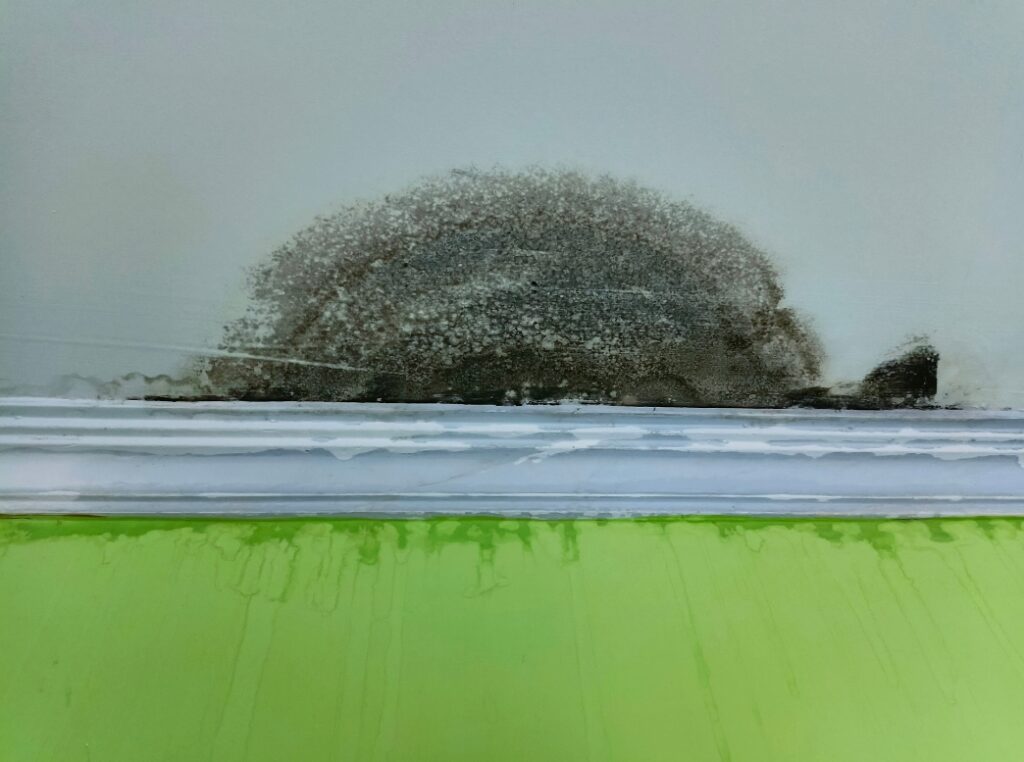
What Most People Get Wrong: Black Mold Insights for Homes in Sunrise
Black mold gets blamed for a lot of things—and misunderstood even more. Homeowners panic, scrub aggressively, Google worst-case scenarios, and still end up with the same problem weeks later. black mold problems don’t spiral because people ignore them entirely. They spiral because people believe a handful of stubborn myths that sound logical but work against them. Let’s clear up what most people get wrong, without fear tactics, exaggeration, or internet horror stories.
Mistake #1: Thinking Black Mold Appears Overnight
Black mold doesn’t suddenly show up one morning like an uninvited guest. It takes time and moisture.
What inspections actually show:
- Black mold needs prolonged moisture
- It grows slowly inside materials
- It often exists long before it’s visible
- The problem starts weeks or months earlier
IMO, the real mistake isn’t missing black mold—it’s missing the moisture that fed it first.
Mistake #2: Assuming Black Mold Only Comes From Flooding
Floods get attention fast. Slow moisture doesn’t.
In Sunrise homes, inspectors most often trace black mold back to:
- AC condensation
- Clogged drain lines
- Slow plumbing leaks
- Roof leaks after storms
- Window or door intrusion
- High indoor humidity
Small moisture problems cause more black mold than dramatic water events because they stay active longer.
Mistake #3: Believing Color Equals Danger
People fixate on the word black. In reality, inspectors don’t judge mold risk by color.
Here’s what actually matters:
- Moisture duration
- Material damage
- Growth location
- HVAC involvement
- Air quality impact
Many mold types appear dark. Color alone doesn’t explain severity.
Mistake #4: Thinking Bleach Solves Black Mold
Bleach remains the most common—and most misleading—DIY solution.
What inspectors repeatedly find:
- Bleach lightens stains
- It doesn’t penetrate drywall or wood
- Moisture stays trapped
- Mold regrows underneath
FYI, bleach often makes black mold look gone while conditions quietly get worse.
Mistake #5: Treating Black Mold Like Surface Dirt
Black mold doesn’t sit politely on surfaces. It grows inside materials.
Inspections frequently uncover black mold:
- Behind drywall
- Inside wall cavities
- Under flooring
- Inside insulation
- Behind baseboards
- Near AC closets
Visible growth usually represents a small fraction of total contamination.
Mistake #6: Ignoring HVAC System Involvement
Airflow Changes Everything
Once black mold exists anywhere near HVAC components, airflow distributes spores throughout the home.
Inspectors often link black mold cases to:
- Contaminated air handlers
- Condensation on evaporator coils
- Mold inside duct insulation
- Musty odors tied to cooling cycles
- Growth appearing in multiple rooms
Cleaning one wall won’t help if the system keeps circulating spores.
Mistake #7: Assuming Symptoms Will Be Obvious
Black mold doesn’t always cause dramatic reactions. Symptoms vary widely.
Common but subtle signs include:
- Musty odors
- Allergy-like symptoms indoors
- Fatigue at home
- Headaches that improve outside
- Air that never feels fresh
Waiting for obvious symptoms usually delays action.
Mistake #8: Believing New or Clean Homes Don’t Get Black Mold
This one surprises homeowners the most.
Inspection data shows black mold appears in:
- New construction
- Renovated homes
- Clean, well-maintained homes
- Luxury properties
- Homes with brand-new AC systems
Age and cleanliness don’t prevent mold. Moisture control does.
Mistake #9: Thinking If You Can’t Smell It, It’s Gone
Odors come and go depending on humidity, airflow, and AC cycles.
Inspectors often find:
- Black mold still active with no odor
- Odors returning only during cooling
- Smells masked by air fresheners
No smell doesn’t equal no mold.
Mistake #10: Cleaning Without Containment
DIY cleaning often spreads spores instead of stopping them.
Cleaning without containment causes:
- Airborne spore spread
- New growth in other rooms
- Contamination of HVAC systems
- Wider exposure
Scrubbing aggressively can make the problem bigger.
Why Sunrise Homes See These Mistakes So Often
Sunrise homes deal with:
- High year-round humidity
- Heavy AC dependence
- Condensation-prone construction
- Storm-related moisture intrusion
- Limited natural drying
These conditions make black mold easier to start and harder to fully eliminate without strategy.
What Inspections Reveal After DIY Black Mold Attempts
Inspectors commonly find:
- Hidden black mold behind cleaned areas
- Moist drywall and insulation
- Elevated airborne mold levels
- HVAC contamination
- Multiple moisture sources
DIY efforts usually fail because they never addressed the root cause.
What Actually Stops Black Mold From Coming Back
Black mold stops returning when conditions change—not when surfaces look better.
Effective solutions include:
- Identifying and fixing moisture sources
- Controlling indoor humidity
- Removing contaminated materials
- Using proper containment
- Addressing HVAC involvement
- Verifying conditions afterward
It’s a process, not a shortcut.
Why Ignoring These Mistakes Costs More Over Time
Inspection data shows delays lead to:
- Wider contamination
- More drywall and insulation removal
- HVAC system involvement
- Longer remediation timelines
- Higher overall costs
Early action almost always limits damage and expense.
Practical Steps Sunrise Homeowners Can Take Now
You don’t need panic—just clarity.
Smart steps include:
- Investigating musty odors early
- Watching for condensation
- Monitoring indoor humidity
- Checking AC drainage
- Scheduling inspections after leaks or storms
- Avoiding surface-only cleaning
Small changes prevent big problems.
Final Thoughts: Black Mold Thrives on Misunderstanding
Black mold isn’t mysterious, and it’s not unbeatable. Homes in Sunrise show that most black mold problems grow worse because of bad information, not bad intentions. When homeowners stop relying on myths and start addressing moisture, airflow, and hidden growth, black mold usually loses its grip.
Fix the conditions, not just the color. When moisture stays under control, black mold usually doesn’t get the chance to settle in—and that’s the outcome every homeowner actually wants.
