
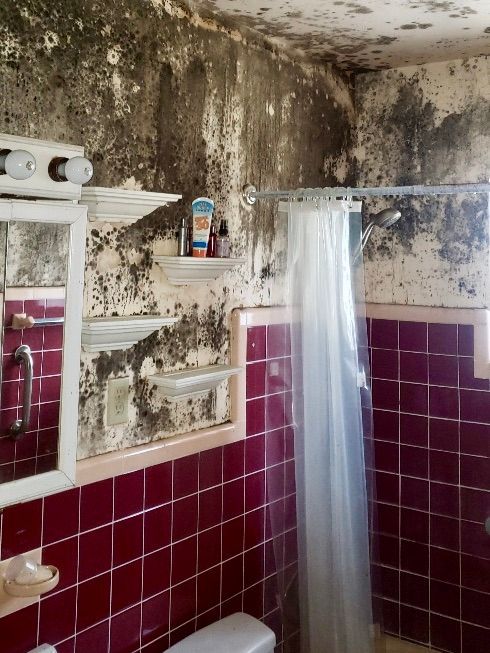
Why Mold Keeps Returning After DIY Cleaning – What Most People Get Wrong for Homes in Tamarac
DIY mold cleaning feels productive. You grab the spray, scrub the spot, wipe it clean, and step back thinking, Nice, handled. Then a few weeks later… surprise. Same mold. Same area. Same frustration. Real inspections in homes across Tamarac show this exact cycle again and again. Mold doesn’t keep coming back because homeowners are lazy or careless. It comes back because DIY cleaning almost always misses what actually matters.
No fear tactics here—just the real mistakes people make and why mold keeps winning the rematch.
Why DIY Mold Cleaning Feels Like a Win at First
DIY cleaning delivers instant visual results, and that’s convincing. Mold disappears, stains fade, and the room looks normal again.
It feels successful because:
- Visible mold is gone
- Odors drop temporarily
- Surfaces look dry
- The space feels usable again
Ever think, “Guess that fixed it”? That moment is exactly when mold starts regrouping.
Mold Grows Because of Moisture, Not Because Things Are Dirty
This is the biggest misunderstanding inspectors see. Mold doesn’t show up because a home isn’t clean—it shows up because moisture sticks around.
Real inspection patterns consistently show:
- Moisture feeds mold
- Cleaning doesn’t remove moisture
- Hidden damp materials stay active
- Humidity speeds regrowth
If moisture stays behind the wall, under the floor, or inside the system, mold doesn’t care how spotless the surface looks.
Where DIY Cleaning Always Falls Short
Mold Lives Inside Materials, Not Just On Them
Most building materials are porous. Mold grows into them, not just on top.
DIY cleaning never reaches mold inside:
- Drywall and joint compound
- Wood framing
- Insulation
- Subflooring
- Cabinet backing
- Wall cavities
IMO, what you see on the surface is usually the smallest part of the problem.
Why Mold Returns to the Same Exact Spot
Mold doesn’t randomly reappear. It grows where conditions stay favorable.
Mold keeps returning because:
- The moisture source never got fixed
- Materials never fully dried
- Hidden growth stayed untouched
- Indoor humidity stayed high
Sprays, wipes, and bleach don’t change conditions—they just pause the evidence.
The Bleach Myth That Refuses to Go Away
Bleach feels powerful. Inspectors wish it actually worked the way people think it does.
Here’s what inspections consistently show:
- Bleach lightens surface staining
- It doesn’t penetrate porous materials
- Moisture stays trapped underneath
- Mold regrows below the surface
FYI, bleach often makes mold look gone while it keeps growing where you can’t see it.
Why Tamarac Homes See Mold Come Back So Often
Tamarac homes deal with environmental pressure that makes mold comebacks common.
Local factors include:
- High year-round humidity
- Heavy air conditioning use
- Condensation near vents
- Limited natural drying
- Storm-related moisture intrusion
Even small moisture issues escalate quickly in this climate.
Humidity: The Mold Comeback Accelerator
Humidity doesn’t just help mold grow—it helps it return.
High humidity causes:
- Slower evaporation
- Persistent condensation
- Materials staying damp longer
- Faster regrowth after cleaning
If the home feels cool but sticky, mold-friendly conditions likely never left.
HVAC Systems: The Mold Multiplier Most People Ignore
Airflow Turns One Mold Spot Into Many
HVAC systems don’t create mold, but they spread spores extremely well once mold exists anywhere.
Inspections in Tamarac often reveal:
- Mold near vents after cleaning
- New growth in rooms far from the original spot
- Musty odors tied to AC cycles
- Contaminated air handlers
Cleaning one wall won’t help if the system keeps circulating spores through the home.
Why Mold Appears in New Areas After DIY Cleaning
This feels unfair, but it’s predictable.
Mold shows up elsewhere because:
- Scrubbing disturbs spores
- No containment keeps them contained
- HVAC airflow spreads them
- Hidden growth stays active
Scrubbing without containment often spreads mold instead of stopping it.
DIY Mold Sprays vs. Real Mold Remediation
DIY products focus on killing mold on contact. Remediation focuses on stopping regrowth.
Here’s the real difference:
- DIY cleaning: surface-level and temporary
- Mold remediation: moisture control, containment, material removal, and verification
Homes that stop at DIY cleaning almost always see mold return.
Why Painting Over Mold Guarantees a Comeback
Painting feels like a reset. Mold treats it like a moisture trap.
Painting over mold:
- Seals moisture inside materials
- Hides active growth
- Slows drying
- Delays proper remediation
- Creates larger problems later
Paint doesn’t fix mold—it gives it cover.
What Inspectors Find After DIY Mold Attempts
Follow-up inspections after DIY cleaning rarely bring good news.
Common findings include:
- Hidden mold behind “clean” walls
- Damp drywall and insulation
- Elevated airborne mold levels
- HVAC contamination
- Multiple moisture sources feeding regrowth
DIY cleaning doesn’t fail because homeowners don’t care—it fails because it can’t reach the real problem.
Why Mold Gets Worse Every Time It Comes Back
Each DIY attempt usually makes the next problem bigger.
Repeated cycles lead to:
- Deeper contamination
- Wider spore spread
- More materials needing removal
- Higher remediation costs
- Longer disruption
Mold doesn’t reset—it builds momentum.
Early Signs DIY Cleaning Isn’t Enough
These red flags matter:
- Mold returns within weeks
- Musty odors never fully disappear
- Growth spreads to new areas
- Allergy symptoms worsen indoors
- Condensation appears near cleaned spots
If you see these, the issue runs deeper than the surface.
What Actually Stops Mold From Returning
Inspection data shows mold stops returning only when conditions change.
Effective solutions include:
- Fixing moisture sources
- Controlling indoor humidity
- Using containment during removal
- Removing contaminated materials
- Addressing HVAC involvement
- Verifying dry conditions afterward
It’s a process, not a product.
Why Ignoring Mold Early Costs More in Tamarac Homes
Inspection trends show a clear pattern.
Ignoring early mold leads to:
- Widespread contamination
- Drywall and insulation removal
- HVAC system involvement
- Higher labor and equipment costs
- Longer project timelines
Early professional action almost always costs less than repeated DIY fixes.
Practical Steps Tamarac Homeowners Can Take Now
You don’t need panic—just strategy.
Smart steps include:
- Stop surface-only cleaning
- Investigate moisture sources
- Monitor indoor humidity
- Watch for condensation
- Pay attention to odors
- Schedule inspections when mold returns
Small steps now prevent big repairs later.
Why Tamarac Homes Benefit From Early Mold Inspections
Homes here deal with:
- Persistent humidity
- Heavy AC usage
- Condensation-prone construction
- Storm-related moisture risks
Early inspections catch mold conditions before they spread and before costs climb.
Final Thoughts: Mold Returns Because Conditions Never Changed
Mold doesn’t come back out of spite. It comes back because nothing forced it to leave. Homes in Tamarac show that DIY cleaning fails not because homeowners don’t try, but because mold doesn’t respond to cosmetic fixes.
Change the conditions, not just the appearance. When moisture gets controlled and mold gets addressed properly, it usually stops returning—and that’s when frustration (and costs) finally stop climbing.
