
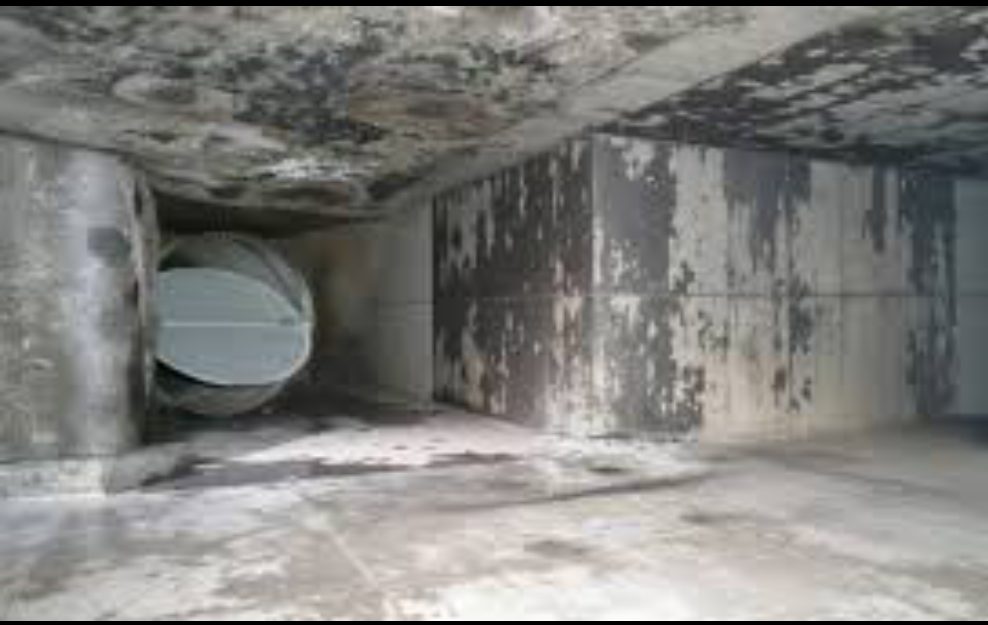
How Mold Spreads Through HVAC Systems – Why Ignoring It Costs More for Homes in South Florida
Mold doesn’t need to crawl across walls to take over a home. It prefers a much faster option: your HVAC system. One small mold issue near the AC turns into whole-house exposure simply because air keeps moving. And when homeowners ignore HVAC involvement, costs don’t just rise—they snowball. If mold keeps showing up in “random” places, your HVAC system usually explains why.
Why HVAC Systems Are Mold’s Favorite Ride
HVAC systems move air everywhere, all the time. Mold spores love that.
Inspections consistently show HVAC systems help mold spread because:
- Air circulates through every room
- Systems run almost nonstop
- Condensation forms inside components
- Dark, enclosed spaces stay damp
Ever wonder why mold appears in rooms far from the original leak? This is usually how it travels.
How Mold Gets Into HVAC Systems in the First Place
Mold Doesn’t Start in the Ducts—It Gets Invited In
Mold rarely starts inside ductwork. It enters because conditions allow it.
Common entry points include:
- AC condensation near coils
- Moist air handlers
- Damp duct insulation
- Nearby hidden mold growth
- High indoor humidity
Once spores enter the system, airflow does the rest.
Condensation: The Hidden Trigger Inside HVAC Systems
Condensation feels harmless because it disappears. Inside HVAC systems, it doesn’t disappear fast enough.
Inspectors often find condensation:
- On evaporator coils
- Inside air handlers
- Along duct interiors
- Near supply vents
- Inside return plenums
IMO, condensation causes more HVAC mold spread than leaks because it happens daily and quietly.
Why South Florida Homes Face Higher HVAC Mold Risk
Climate matters—a lot.
South Florida homes deal with:
- High year-round humidity
- Constant AC usage
- Slow natural drying
- Frequent storms
- Condensation-prone systems
Even well-maintained HVAC systems struggle when moisture control falls short.
How Mold Spreads Once HVAC Systems Get Involved
Airflow Turns One Problem Into Many
Once mold exists anywhere near HVAC components, spores distribute evenly.
Inspections frequently link HVAC mold spread to:
- Growth appearing in multiple rooms
- Musty odors traveling through the house
- Dust returning quickly
- Symptoms affecting multiple occupants
Treating one area won’t help if the system keeps recirculating contamination.
Why Mold Often Reappears After “Successful” Cleaning
Homeowners clean walls, replace baseboards, and repaint—then mold returns.
It comes back because:
- HVAC systems stayed contaminated
- Air handlers weren’t addressed
- Condensation continued
- Spores remained airborne
Cleaning surfaces without HVAC attention resets the problem instead of solving it.
Air Duct Cleaning vs. Mold Remediation: The Costly Confusion
This misunderstanding drives repeat cases.
Here’s the difference:
- Air duct cleaning removes dust and debris
- Mold remediation removes contamination and fixes moisture conditions
Cleaning ducts without remediation doesn’t stop mold—it redistributes it.
Why Ignoring HVAC Mold Gets Expensive Fast
Inspection data shows costs rise sharply once HVAC systems get involved.
Delaying action often leads to:
- Whole-house contamination
- Removal of drywall and insulation
- Replacement of duct sections
- Air handler remediation
- Longer project timelines
- Higher labor and material costs
Early HVAC-focused action usually keeps mold contained.
Hidden HVAC Mold Homeowners Rarely See
HVAC mold rarely sits in obvious places.
Inspectors most often find mold:
- Inside air handlers
- On evaporator coils
- Within duct liner insulation
- Inside AC closets
- Behind return grilles
FYI, vents looking clean doesn’t mean the system is clean.
Why Odors Travel Through the House
Musty smells often act as the first HVAC mold warning.
Odors travel because:
- Airflow distributes spores
- Damp duct materials release odors
- Cooling cycles push smells outward
If odors change rooms, HVAC involvement almost always explains it.
HVAC Mold and Indoor Air Quality
HVAC systems don’t just move air—they define air quality.
Inspections frequently link HVAC mold to:
- Persistent musty odors
- Allergy-like symptoms indoors
- Headaches at home
- Fatigue indoors
- Air that never feels fresh
Air quality usually declines long before visible mold appears.
Why DIY HVAC Mold Fixes Fail Inspections
DIY attempts often make things worse.
DIY HVAC mold efforts fail because:
- Systems stay partially contaminated
- No containment spreads spores
- Condensation sources remain
- Hidden components get ignored
Spraying vents without addressing air handlers rarely helps.
How HVAC Mold Turns Small Problems Into Big Ones
Mold near HVAC components accelerates spread.
Small issues grow into:
- Multiple contaminated rooms
- Higher airborne mold levels
- More materials needing removal
- Larger remediation zones
- Higher total costs
Time always works in mold’s favor once HVAC systems get involved.
What Real HVAC Mold Remediation Includes
Successful remediation follows a system-wide approach.
Effective HVAC mold remediation includes:
- Identifying moisture sources
- Correcting condensation issues
- Cleaning or removing contaminated components
- Using containment and HEPA filtration
- Drying and verifying conditions
Skipping steps almost guarantees recurrence.
Why Post-Remediation Verification Matters
Verification confirms success instead of assuming it.
Verification may include:
- Visual HVAC inspections
- Moisture measurements
- Air quality checks
- System performance evaluation
Without verification, problems often resurface quietly.
Patterns Inspectors See in Repeat HVAC Mold Cases
Repeat cases almost always share the same mistakes.
Inspectors see recurrence when:
- HVAC systems weren’t addressed
- Moisture control failed
- Only surface mold got removed
- No follow-up testing occurred
Fixing symptoms without fixing airflow and moisture explains repeat failures.
Practical Steps South Florida Homeowners Can Take
You don’t need panic—just awareness.
Smart steps include:
- Monitoring indoor humidity
- Watching for condensation near vents
- Addressing AC drainage issues quickly
- Investigating musty odors early
- Scheduling HVAC-focused inspections
Early steps keep problems manageable.
Why South Florida Homes Benefit From Early HVAC Inspections
Homes here face:
- Persistent humidity
- Heavy AC dependence
- Condensation-prone systems
- Storm-related moisture intrusion
Early inspections catch HVAC mold conditions before they spread throughout the home.
Final Thoughts: HVAC Systems Decide How Far Mold Goes
Mold doesn’t spread evenly by accident—it spreads because HVAC systems make it easy. Real inspections across South Florida show that ignoring HVAC involvement turns small mold problems into expensive, whole-house issues.
Address moisture, involve the HVAC system early, and verify results. When airflow stops working against you, mold usually loses its biggest advantage—and your repair costs stay far more reasonable.
