
Facts vs Common Myths: Mold Inspection Insights for Homes in Plantation
Mold inspections get talked about a lot—and misunderstood even more. Between online advice, neighbor opinions, and DIY shortcuts, it’s easy to believe things that simply don’t hold up in real homes. Actual inspection data from houses in Plantation tells a much clearer story. The biggest mold problems don’t come from mystery toxins or dramatic outbreaks. They come from small misunderstandings that let moisture and mold quietly get ahead of homeowners.
Let’s clear the air and break down what inspections really show versus what most people think is true.
Myth #1: “If I Don’t See Mold, I Don’t Have Mold”
Fact: Most Mold Found During Inspections Is Hidden
This myth tops the list every time. Real inspections rarely start with visible mold on walls.
Inspectors most often find mold:
- Behind drywall
- Inside wall cavities
- Under flooring
- Behind baseboards
- Inside AC closets
- Within duct insulation
Visible mold usually appears late in the process, not early.
Myth #2: “Mold Inspections Are Just Visual Walkthroughs”
Fact: Inspections Focus on Conditions, Not Just Surfaces
A proper mold inspection goes far beyond looking around with a flashlight.
Real inspections evaluate:
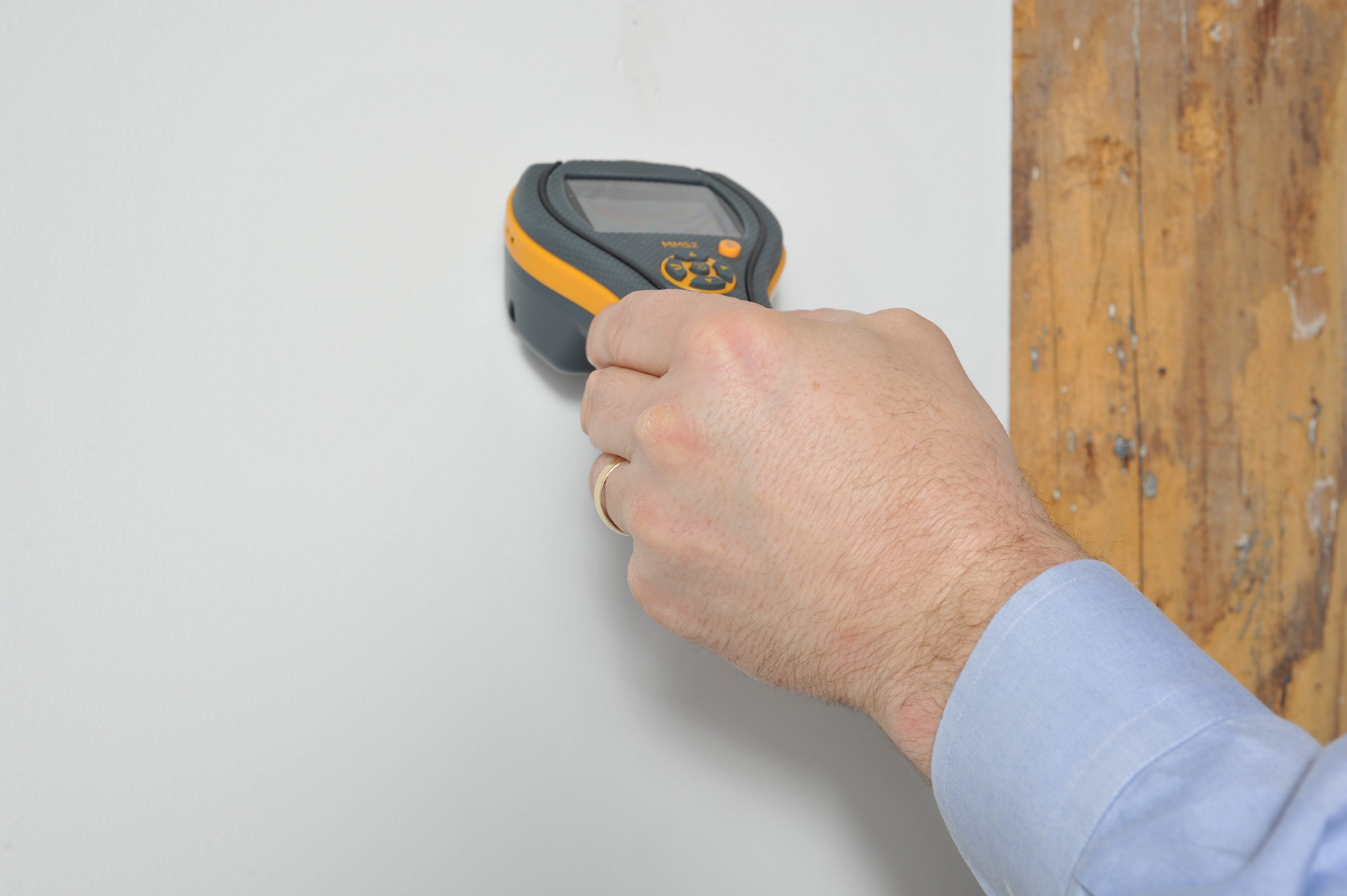
- Moisture levels in materials
- Indoor humidity
- Condensation patterns
- HVAC performance
- Airflow behavior
- History of water intrusion
IMO, moisture data tells inspectors far more than surface stains ever could.
Myth #3: “My Home Is New, So Mold Isn’t Possible”
Fact: New Homes Can Develop Mold Faster Than Older Ones
This one surprises a lot of homeowners in Plantation.
Inspections in newer homes often reveal:
- Construction moisture trapped in materials
- Tightly sealed homes with poor drying
- Oversized AC systems
- Condensation inside walls and ducts
New doesn’t mean dry. In some cases, it means the opposite.
Myth #4: “Mold Only Grows After Big Water Damage”
Fact: Small, Ongoing Moisture Causes More Mold Than Floods
Floods get fixed quickly. Slow moisture gets ignored.
Inspection data shows mold commonly grows from:
- AC condensation
- Clogged drain lines
- Minor plumbing leaks
- Window and door seepage
- High indoor humidity
Mold prefers quiet moisture, not dramatic events.
Myth #5: “Bleach Kills Mold, So Inspection Isn’t Needed”
Fact: Bleach Often Makes Mold Harder to Detect
Bleach changes appearance—it doesn’t solve conditions.
Inspectors frequently find:
- Bleached surfaces with active mold underneath
- Moist materials sealed in
- Regrowth in the same areas
FYI, bleach can hide mold during inspections, not eliminate it.
Myth #6: “If the Smell Went Away, the Problem Is Gone”
Fact: Odors Fade Faster Than Mold Conditions
Odors come and go depending on humidity, airflow, and AC cycles.
Inspectors take odors seriously because:
- They often signal hidden moisture
- They return when conditions shift
- They move through HVAC systems
A disappearing smell doesn’t mean a solved problem.
Myth #7: “Mold Inspections Are Only Needed When People Feel Sick”
Fact: Inspections Catch Problems Before Symptoms Appear
Waiting for symptoms usually means waiting too long.
Inspections often uncover mold before:
- Odors become constant
- Allergy symptoms appear
- Materials show damage
- HVAC systems get contaminated
Early inspections limit damage and cost.
Myth #8: “Air Testing Alone Tells the Whole Story”
Fact: Testing Without Inspection Creates Confusing Results
Mold testing works best with inspection—not instead of it.
Inspectors use testing to:
- Confirm airborne exposure
- Compare indoor and outdoor air
- Support visual and moisture findings
- Verify remediation success
Testing without context often creates stress, not clarity.
Myth #9: “My AC Is Running, So Humidity Isn’t a Problem”
Fact: Cooling and Dehumidifying Aren’t the Same Thing
Many Plantation homes stay cool while humidity stays high.
Inspections often reveal:
- Short-cycling systems
- Oversized AC units
- Poor airflow
- Wet coils and drain pans
High humidity quietly drives mold even when temperatures feel fine.
Myth #10: “DIY Checks Are Basically the Same as Professional Inspections”
Fact: DIY Checks Miss What Inspections Target
DIY checks rely on sight and smell. Inspections rely on patterns and data.
DIY efforts miss:
- Moisture inside materials
- Hidden condensation
- HVAC-related issues
- Airflow-driven spread
Good intentions don’t replace proper assessment.
What Mold Inspections Actually Reveal in Plantation Homes
Real inspections often uncover:
- Multiple moisture sources
- Hidden mold growth
- HVAC involvement
- Conditions supporting regrowth
- Issues homeowners never suspected
Most homes don’t have one mold issue—they have a combination.
Why Plantation Homes Face Unique Mold Challenges
Homes here deal with:
- High year-round humidity
- Heavy AC usage
- Condensation-prone construction
- Storm-related moisture
- Limited natural drying
These conditions make inspections especially valuable.
Why Early Mold Inspections Save Money
Inspection data shows timing matters.
Early inspections:
- Limit remediation scope
- Prevent HVAC contamination
- Reduce material removal
- Lower overall costs
Waiting usually turns small issues into big projects.
What Inspectors Want Homeowners to Watch For
Pay attention to:
- Recurring musty odors
- Condensation near vents
- Humidity that feels high
- Stains that return
- Rooms that never feel dry
Those signs rarely lie.
Practical Takeaways for Plantation Homeowners
You don’t need panic—just accurate information.
Smart steps include:
- Scheduling inspections after leaks
- Monitoring indoor humidity
- Investigating odors early
- Not relying on surface cleaning
- Addressing moisture first
Knowledge beats myths every time.
Final Thoughts: Facts Beat Assumptions Every Time
Mold inspections don’t exist to scare homeowners—they exist to replace myths with measurable facts. Homes in Plantation show that most mold problems grow out of misunderstandings, not neglect.
When homeowners trust inspection data, focus on moisture, and stop relying on assumptions, mold problems usually stay smaller, cheaper, and far easier to manage. Facts don’t create fear—they create control 🙂
