
Moisture Problems Most Homeowners Miss – Practical Advice From Experts for Homes in Weston
Moisture problems rarely make a scene. They don’t flood rooms or drip loudly from ceilings—at least not at first. They sneak in quietly, settle behind walls or under floors, and hang around just long enough to cause trouble. Real inspections inside homes across Weston show this pattern constantly. The moisture issues that cause the most damage are almost always the ones homeowners never noticed.
No scare tactics here—just practical advice based on what experts actually see inside real homes.
Why Moisture Problems Go Unnoticed in Weston Homes
Weston homes feel comfortable, sealed, and climate-controlled. That’s great for living—but not so great for moisture that never fully dries.
Moisture gets missed because:
- AC keeps homes cool even when moisture stays
- Humidity feels normal in South Florida
- Moisture hides inside materials
- Leaks often stay slow and silent
Ever think, “Everything feels fine”? That’s usually moisture working quietly in the background.
Condensation: The Moisture Source Most People Ignore
It Shows Up, Then Disappears—So It Feels Harmless
Condensation looks temporary, which makes it easy to dismiss. The problem is how often it comes back.
Experts frequently see condensation:
- On AC vents and registers
- Inside ductwork
- On windows and sliding doors
- On bathroom ceilings
- On walls near temperature changes
Condensation doesn’t just evaporate—it soaks into surrounding materials over time.
AC Systems Create Moisture Even When They Work “Fine”
Air conditioners remove humidity, but they also create water that needs proper drainage and airflow.
Common AC-related moisture problems include:
- Clogged or slow drain lines
- Standing water in drain pans
- Wet evaporator coils
- Condensation inside ducts
- Moist insulation near vents
IMO, AC-related moisture causes more hidden problems than plumbing leaks in Weston homes.
Hidden Plumbing Leaks That Stay Active for Years
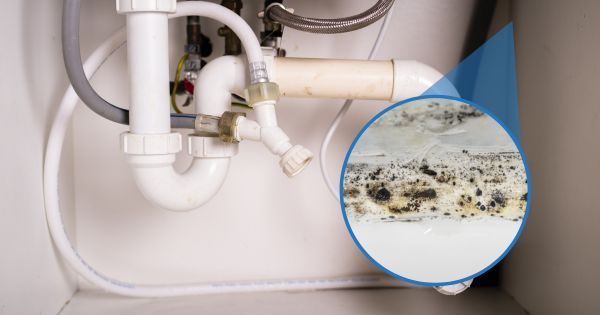
Not all leaks drip onto floors. Many hide quietly behind walls or inside cabinets.
Experts often find:
- Slow leaks under sinks
- Moisture behind shower walls
- Damp cabinets without pooling water
- Minor pipe seepage
- Swollen materials with no visible source
Because damage progresses slowly, homeowners rarely notice until mold or odors appear.
Bathroom Moisture That Never Fully Dries
Bathrooms generate moisture daily. Without proper ventilation, that moisture lingers far longer than it should.
Common bathroom moisture issues include:
- Weak or unused exhaust fans
- Steam trapped behind walls
- Condensation on ceilings
- Moisture behind tile and grout
If mirrors stay foggy long after showers, moisture likely stays active.
Kitchen Moisture Most Homeowners Miss
Kitchens hide moisture extremely well, especially inside cabinets.
Experts frequently find:
- Leaks under sinks
- Moisture behind dishwashers
- Condensation near exterior walls
- Poor ventilation during cooking
FYI, cabinet interiors often show damage before anything appears outside.
Flooring That Traps Moisture Below the Surface
Tile, laminate, and vinyl flooring can look perfect while moisture builds underneath.
Inspections often reveal:
- Damp subfloors
- Moist concrete slabs
- Hidden mold beneath flooring
- Musty odors with no visible source
When floors feel cool or smell musty, moisture usually sits below the surface.
Attic Moisture: Out of Sight, Big Consequences
Attics play a huge role in moisture control, yet most homeowners never check them.
Experts commonly see:
- Condensation on roof decking
- Damp insulation
- Poor airflow
- Bathroom fans venting into attics
Moist attics don’t stay isolated—they affect ceilings, walls, and indoor air quality.
Storm-Related Moisture That Never Fully Dries
Even small storms can introduce moisture in subtle ways.
Common storm-related moisture sources include:
- Roof penetrations
- Window and door seals
- Flashing failures
- Exterior wall cracks
Water doesn’t need to pour in to cause problems—it just needs time.
Humidity: The Multiplier That Makes Everything Worse
Humidity turns small moisture problems into big ones in Weston homes.
High humidity causes:
- Slower evaporation
- Persistent condensation
- Materials staying damp longer
- Higher mold risk
Ever notice paint bubbling or baseboards warping without a clear leak? Humidity often plays a role.
What Experts See During Moisture Inspections
Moisture-focused inspections almost always uncover multiple issues working together.
Common findings include:
- Elevated moisture behind walls
- Damp insulation
- Condensation feeding mold
- HVAC-related moisture
- Several moisture sources in one home
FYI, most homes don’t have just one moisture problem—they have a combination.
How Missed Moisture Turns Into Mold Problems
Mold doesn’t appear randomly. It grows where moisture stays active long enough.
Missed moisture issues lead to:
- Hidden mold growth
- Recurring musty odors
- Indoor air quality issues
- Material deterioration
- Higher remediation costs
Fixing mold without fixing moisture almost guarantees it returns.
Why DIY Checks Miss Moisture Problems
DIY checks rely on sight and touch. Moisture doesn’t cooperate.
DIY efforts miss problems because:
- Moisture hides inside materials
- Condensation comes and goes
- Airflow patterns get ignored
- HVAC systems go unchecked
Professional inspections focus on data, not guesswork.
Practical Advice From Experts That Actually Helps
You don’t need panic—just consistency.
Experts recommend:
- Monitoring indoor humidity
- Using bathroom exhaust fans every time
- Checking under sinks regularly
- Watching for condensation
- Investigating musty odors early
- Scheduling inspections after leaks or storms
Small steps early prevent major repairs later.
Why Weston Homes Need Proactive Moisture Control
Homes here deal with:
- Persistent humidity
- Heavy AC use
- Limited natural drying
- Condensation-prone construction
- Storm-related moisture risks
Moisture control isn’t optional—it’s essential.
Final Thoughts: Moisture Is the Problem Most Homeowners Miss
Moisture problems rarely feel urgent, but they quietly create the biggest issues over time. Real inspections in Weston show that mold, odors, and air quality problems almost always trace back to moisture that stayed unnoticed.
Pay attention to the subtle signs, respect the climate, and act early. When moisture stays under control, mold usually doesn’t get the chance to move in—and that’s the goal every homeowner actually wants 🙂
