
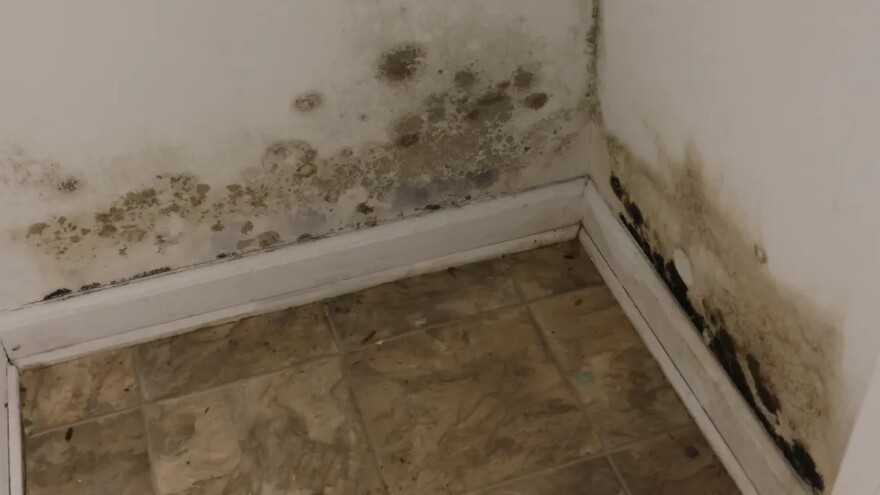
Why Mold Grows in Florida Homes – Why Ignoring It Costs More for Homes in Lauderhill
Mold doesn’t grow in Florida homes because people don’t clean enough. It grows because Florida hands mold exactly what it wants—warmth, moisture, and time. Real inspections inside homes across Lauderhill show the same thing again and again: mold growth usually starts small, gets ignored, and quietly turns into a much bigger and more expensive problem.
This isn’t fear-based talk. It’s the reality inspectors and remediation teams see once walls open up and systems get checked.
Why Florida Homes Are Naturally Mold-Friendly
Florida isn’t just humid—it’s consistently humid. That consistency matters.
Florida homes deal with:
- High year-round humidity
- Warm indoor temperatures
- Limited natural drying
- Heavy air conditioning use
- Frequent rain and storms
Mold doesn’t need dramatic water damage here. It just needs moisture that sticks around a little too long.
The Real Reason Mold Loves Lauderhill Homes
Lauderhill homes face a perfect storm of conditions.
Local factors include:
- Persistent humidity
- Condensation-prone HVAC systems
- Homes sealed tightly for efficiency
- Slow evaporation indoors
- Storm-related moisture intrusion
IMO, most mold problems here don’t start with leaks—they start with moisture that never fully dries.
Moisture Is the Root of Every Mold Problem
Mold Doesn’t Care About Cleanliness
This is the biggest misunderstanding homeowners have.
Mold grows when:
- Moisture stays active
- Materials absorb humidity
- Drying slows down
- Airflow can’t keep up
You can clean constantly and still have mold if moisture stays behind walls or under floors.
Condensation: The Mold Trigger Most People Ignore
Condensation feels harmless because it shows up and disappears.
Inspectors see condensation feeding mold:
- On AC vents and registers
- Inside ductwork
- On windows and sliding doors
- On bathroom ceilings
- On walls near temperature changes
Repeated condensation soaks materials from the inside out.
HVAC Systems Play a Bigger Role Than People Realize
Cooling Isn’t the Same as Dehumidifying
Air conditioners cool air, but they don’t always remove enough moisture.
Common HVAC-related mold issues include:
- Oversized AC systems
- Short cycling
- Wet coils
- Standing water in drain pans
- Clogged drain lines
- Condensation inside ducts
Cold air can still be mold-friendly air.
Why Mold Often Starts Where You Can’t See It
Mold rarely announces itself early.
Inspectors commonly find early growth:
- Behind drywall
- Inside wall cavities
- Under flooring
- Behind baseboards
- Inside insulation
- Inside AC closets
Visible mold usually shows up late in the process.
Why Ignoring Early Signs Always Costs More
Early mold problems stay small. Ignored mold problems don’t.
Inspection data shows waiting leads to:
- Wider contamination
- Hidden mold spreading
- Multiple rooms affected
- HVAC system involvement
- Higher remediation costs
- Longer project timelines
What could’ve been a small fix becomes a major disruption.
The “Small Leak” Myth That Drives Big Repairs
Homeowners often say, “It was just a small leak.”
Inspectors usually find:
- Damp drywall
- Moist insulation
- Hidden mold growth
- Multiple moisture pathways
- Problems far beyond the original spot
In Florida, small leaks rarely stay small.
Why Mold Spreads Faster in Lauderhill Homes
Local conditions accelerate everything.
Lauderhill homes deal with:
- Constant humidity
- Heavy AC dependence
- Condensation-prone construction
- Slow natural drying
- Storm-driven moisture
Mold grows quietly while homeowners assume things dried out.
DIY Cleaning: Why It Fails Long-Term
DIY cleaning removes what you can see—not what’s feeding the mold.
DIY efforts fail because:
- Moisture stays active
- Hidden mold remains
- Porous materials stay contaminated
- Spores spread during scrubbing
- HVAC systems go unchecked
Scrubbing buys time. It doesn’t solve the problem.
Why Mold Comes Back After “Fixing” It
Recurring mold isn’t bad luck—it’s unfinished work.
Mold returns when:
- Moisture sources never get fixed
- Materials never fully dry
- Hidden growth stays behind
- Humidity remains high
Covering symptoms doesn’t change conditions.
HVAC Involvement Is Where Costs Jump
Airflow Turns One Mold Area Into Many
Once mold reaches HVAC components, remediation scope expands fast.
HVAC-related mold often leads to:
- Air handler remediation
- Duct insulation removal
- System downtime
- Higher labor and equipment costs
Early action often prevents HVAC involvement entirely.
What Inspectors Actually Look for in Lauderhill Homes
Inspectors don’t guess—they follow moisture.
They evaluate:
- Humidity levels
- Condensation patterns
- Moisture inside materials
- HVAC performance
- Airflow behavior
- Past water events
Mold follows moisture every time.
Why Waiting Feels Safe (But Isn’t)
Waiting feels reasonable because:
- Odors fade
- Stains dry
- Mold disappears temporarily
- Comfort returns
But inspections show conditions rarely changed—just the symptoms.
What Early Action Really Looks Like
Early action doesn’t mean panic.
Smart steps include:
- Investigating musty odors
- Monitoring indoor humidity
- Addressing condensation immediately
- Fixing leaks promptly
- Scheduling inspections after storms or leaks
Early attention limits damage and cost.
Why Lauderhill Homes Benefit From Proactive Mold Control
Homes here face:
- Persistent humidity
- Heavy AC use
- Condensation-prone systems
- Storm-related moisture risks
Proactive moisture control keeps mold from gaining ground.
The Real Cost of Ignoring Mold in Florida Homes
The most expensive mold jobs didn’t start worse—they started ignored.
Homes in Lauderhill show that mold costs rise not because mold is aggressive, but because moisture and time quietly work together. When homeowners act early, mold stays manageable. When they wait, remediation gets bigger, longer, and far more expensive.
Control moisture, respond early, and don’t ignore the small signs. In Florida homes, that’s the difference between a minor fix and a major project 🙂
