
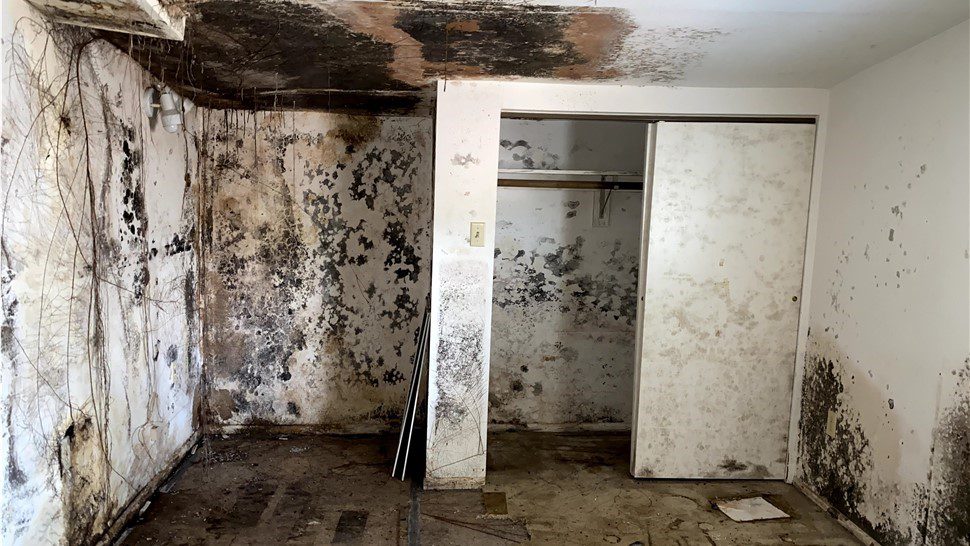
Why Mold Grows in Florida Homes – Practical Advice From Experts for Homes in Plantation
If mold had a favorite place to live, Florida would be at the top of the list—and Plantation homes are no exception. Between the heat, humidity, and constant AC use, mold often grows without dramatic leaks or floods. Experts who inspect South Florida homes see the same patterns over and over, and the reasons are surprisingly practical.
Let’s break down why mold grows so easily in Plantation homes and what professionals want homeowners to understand before it becomes a costly problem.
Florida’s Climate Does Most of the Work for Mold
Mold needs three things: moisture, warmth, and something to feed on. Florida provides all three almost year-round.
In Plantation, high outdoor humidity regularly sneaks indoors. Even when your home feels cool, moisture can linger inside walls, ceilings, and AC systems. Once moisture sticks around for more than a day or two, mold doesn’t waste time.
Key issue: You don’t need a leak—humidity alone can be enough.
Air Conditioning Creates Hidden Moisture
AC systems are meant to remove humidity, but they can also create mold problems when something is off.
Experts frequently find mold linked to:
- Dirty or clogged AC drain lines
- Condensation around vents
- Oversized units that cool fast but don’t dehumidify well
- Moist ductwork
Once mold starts in the HVAC system, it can spread spores throughout the entire home—quietly.
Small Leaks Are the Biggest Culprits
In real inspections, mold is rarely caused by major plumbing failures. It’s usually the slow, boring stuff:
- Minor pipe leaks under sinks
- Old caulking around tubs or showers
- Window or sliding door seepage
- Tiny roof leaks after storms
These issues don’t always leave visible damage, but they keep materials damp long enough for mold to grow behind the scenes.
Poor Ventilation Traps Moisture
Many Plantation homes struggle with airflow, especially in:
- Bathrooms
- Laundry rooms
- Closets on exterior walls
- Attics
When moist air can’t escape, it settles. Mold loves still, damp air—and it often grows in places homeowners rarely check.
Attics Are a Hidden Hotspot
Attic mold is extremely common in South Florida homes.
Why?
- Hot air meets cooler surfaces
- Poor ventilation traps humidity
- Roof leaks go unnoticed
By the time staining shows on ceilings, mold may already be widespread above the living space.
Building Materials Feed Mold Easily
Drywall, wood framing, insulation, and cabinets are all mold-friendly once they get wet. In Plantation’s climate, materials don’t always dry quickly—especially inside walls or under flooring.
That’s why experts say mold growth is often a moisture-management issue, not a cleanliness issue.
Why Homeowners Don’t Notice Right Away
One of the biggest challenges with mold is that early growth is easy to miss:
- It may not smell strong at first
- It often grows out of sight
- Symptoms are gradual
Many homeowners don’t investigate until health symptoms appear or visible damage shows up—by then, mold has usually been there for a while.
Expert Advice to Reduce Mold Risk
Professionals who deal with mold daily recommend simple but consistent habits:
- Keep indoor humidity under control
- Service AC systems regularly
- Fix small leaks immediately
- Don’t ignore musty smells
- Make sure bathrooms and attics are properly ventilated
These steps won’t make a home mold-proof—but they dramatically reduce the risk.
The Plantation Reality
In Plantation, mold growth isn’t a sign of a neglected home—it’s often the result of Florida’s environment combined with everyday moisture. Understanding why mold grows helps homeowners spot problems early and avoid expensive remediation later.
Final Takeaway
Mold grows in Florida homes because conditions allow it to—not because homeowners did something wrong. In Plantation, staying ahead of moisture is the real key. The sooner humidity, leaks, and ventilation issues are addressed, the less chance mold has to take hold.
When it comes to mold, prevention isn’t complicated—but ignoring the basics is what usually makes it expensive.
