
Lessons From Real Inspections: Air Duct Mold Insights for Homes in Lauderhill
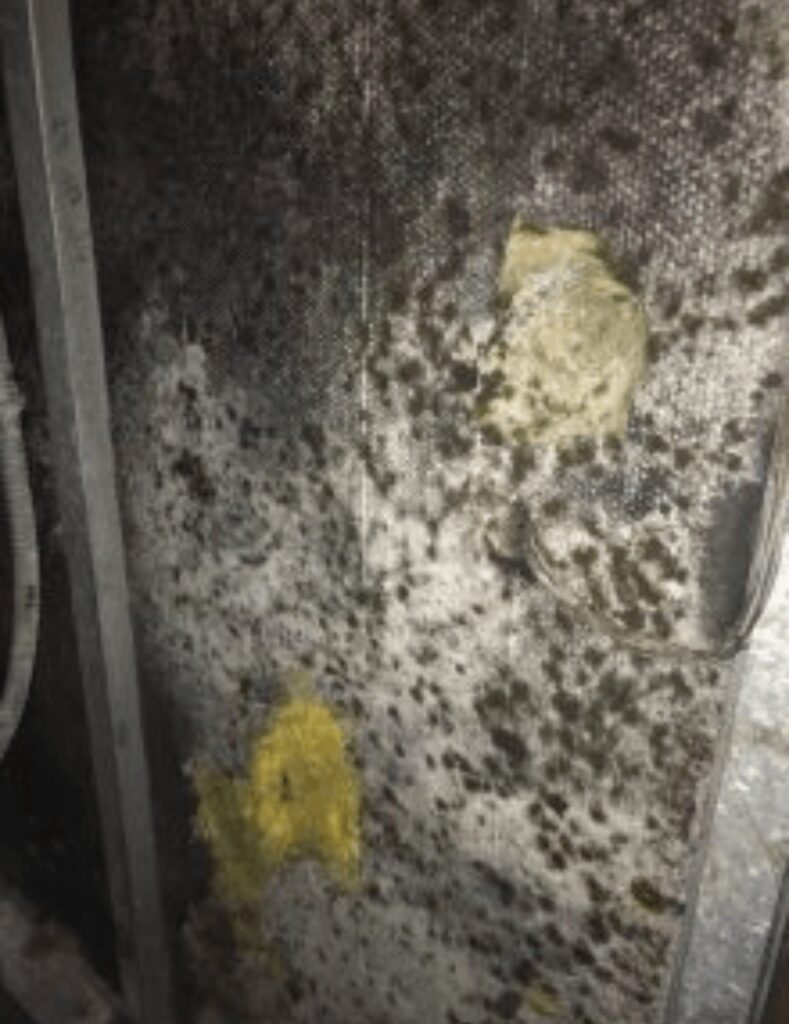
Air duct mold rarely announces itself. In Lauderhill homes, it usually shows up as a pattern—rooms that never feel fresh, odors that come and go, or allergies that spike for no clear reason. Inspections tell us one thing loud and clear: when mold gets into the ductwork, it doesn’t stay contained.
I’ve opened plenty of systems that looked fine from the outside but told a very different story inside. Ever wonder why cleaning one room never seems to fix the air? This is usually why.
Air Duct Mold Starts Small but Spreads Fast
Ductwork Creates the Perfect Environment
Air ducts provide darkness, dust, and airflow—everything mold needs once moisture shows up.
During inspections, we often find:
- Condensation inside ductwork
- Mold growth on duct liners
- Moist insulation around ducts
- Debris buildup feeding mold
Rhetorical question time: if moisture enters the duct system, where else would mold prefer to grow?
HVAC Systems Turn Duct Mold Into a Whole-Home Issue
Airflow Does the Spreading
Once mold develops in air ducts, the HVAC system distributes spores throughout the entire home. Every AC cycle becomes a delivery system.
This usually leads to:
- Mold odors in multiple rooms
- Allergy symptoms worsening indoors
- Dust that returns quickly after cleaning
FYI, duct mold explains why issues feel “everywhere” instead of localized.
Why Homeowners Miss Air Duct Mold
You Can’t See What You Don’t Open
Most homeowners never look inside their ductwork. Inspections often reveal duct mold long before any visible growth appears in rooms.
Common warning signs include:
- Musty smells when the AC runs
- Vent covers with discoloration
- Excess condensation around vents
- Persistent indoor air quality issues
IMO, air duct mold hides better than almost any other type.
DIY Duct Cleaning Doesn’t Remove Mold
Cleaning Isn’t the Same as Removal
Basic duct cleaning removes dust, not mold. Without addressing moisture and contaminated materials, mold stays put.
DIY or basic cleaning often:
- Leaves mold colonies intact
- Misses insulated duct interiors
- Spreads spores during agitation
That’s why problems return quickly after surface-level duct cleaning.
Why Mold Inspection and Testing Matter for Duct Issues
Data Shows the Full Picture
Mold inspection identifies mold inside duct systems and HVAC components. Mold testing confirms whether spores circulate through the home.
A proper approach includes:
- Mold inspection of ductwork and HVAC units
- Mold testing to measure airborne spores
- Targeted mold removal of contaminated duct materials
- Full mold remediation to prevent regrowth
Skipping inspection usually means duct mold gets overlooked.
Lauderhill Homes Face Higher Air Duct Mold Risk
Climate Keeps Moisture Active
Humidity and near-constant AC use keep condensation present inside duct systems in Lauderhill homes. Mold doesn’t need a flood—it needs time and moisture.
Higher-risk homes often include:
- Older duct systems
- Poorly insulated ducts
- Past water damage
- High indoor humidity
Across Broward County, inspections show the same air duct mold patterns repeatedly.
Lessons Homeowners Learn After Duct Mold Is Addressed
Clean Air Feels Different
Once duct mold gets properly removed and moisture controlled, homeowners notice changes fast. Air smells fresher, dust settles slower, and symptoms ease up.
Key takeaways from inspections:
- Duct mold affects the entire home
- Moisture control matters more than cleaning
- HVAC systems can’t be ignored
- Proper remediation prevents repeat issues
Why keep fighting air problems room by room when the ducts connect everything?
Final Thoughts: Air Duct Mold Hides—but Inspections Find It
Air duct mold in Lauderhill homes stays hidden until inspections reveal it. Ignoring the duct system often explains why mold and air quality problems keep returning.
When mold inspection, mold testing, mold removal, and mold remediation work together, air duct mold stops spreading and homes finally start breathing easier 🙂
