
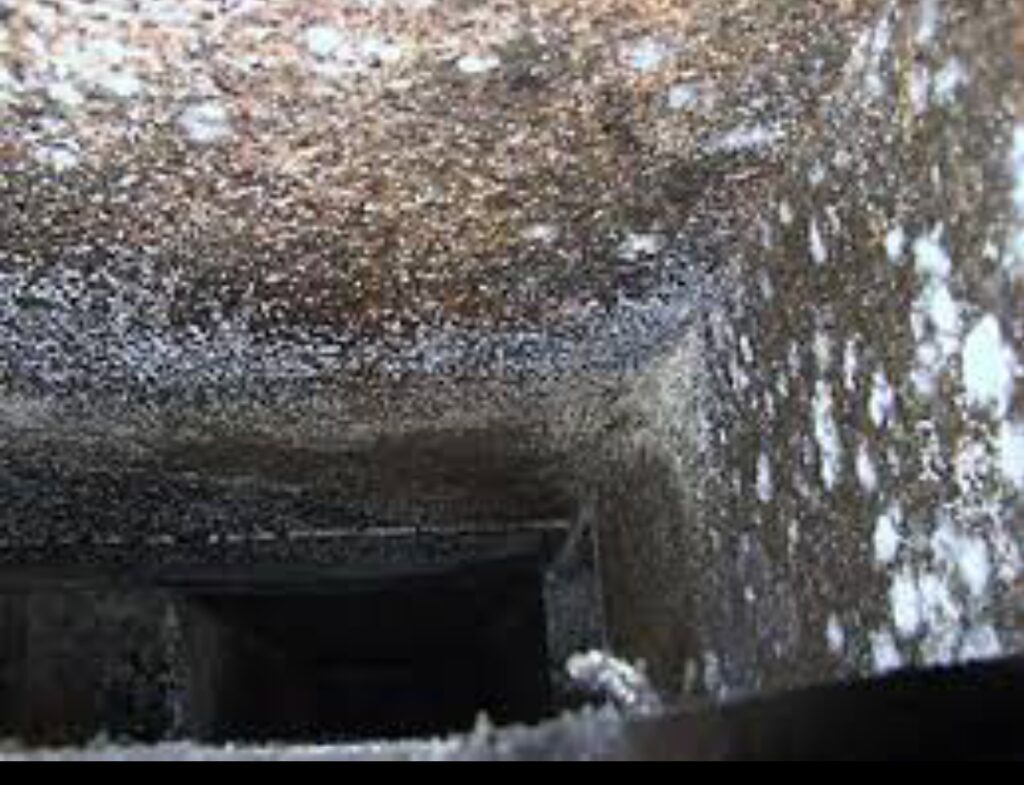
How Mold Spreads Through HVAC Systems – A Homeowner’s Guide for Homes in Tamarac
In Tamarac homes, mold doesn’t always stay where it starts. One of the fastest—and most misunderstood—ways mold travels is through the HVAC system. Homeowners are often surprised to learn that a small moisture issue near the AC can quietly affect air quality throughout the entire house.
This guide breaks down how mold actually spreads through HVAC systems, what experts see during inspections, and what Tamarac homeowners should watch for.
Why HVAC Systems Are a Perfect Mold Highway
Your HVAC system moves air everywhere—bedrooms, living areas, closets, and bathrooms. When mold gets a foothold inside that system, it doesn’t stay put.
Mold needs moisture to grow, and HVAC systems naturally produce it through:
- Condensation on coils
- Drain pans collecting water
- Humid air passing through cool ductwork
If that moisture isn’t draining or drying properly, mold has exactly what it needs.
Where Mold Starts Inside HVAC Systems
Despite the scary ads, mold doesn’t usually coat all your ducts at once. Experts most often find mold starting in very specific places:
Air Handlers and Evaporator Coils
These areas stay cool and damp, especially when maintenance is skipped. Dust buildup gives mold something to feed on.
Drain Pans and Drain Lines
Clogged or slow drains allow water to sit. Standing water is one of the most common mold triggers in Tamarac homes.
Insulated Duct Liners
While metal ducts resist mold, the insulation inside or around ducts does not. Once insulation gets wet, mold can spread quickly.
Supply Vents
Condensation around vents can allow mold to form nearby and be pushed back into airflow.
How Mold Moves From One Area to Another
Once mold is present, HVAC airflow does the rest.
Here’s how spread typically happens:
- Spores become airborne inside the system
- The blower distributes spores through ductwork
- Spores settle in new areas with moisture
- Growth begins in walls, ceilings, or closets
This is why homeowners may see mold showing up in multiple rooms—even though the original problem started near the AC.
Signs Your HVAC System May Be Spreading Mold
Tamarac homeowners often notice patterns before mold is confirmed:
- Musty smells when the AC turns on
- Dark residue around vents that keeps returning
- Increased allergy or asthma symptoms indoors
- Uneven odors in different rooms
- Condensation forming regularly around vents
These signs don’t automatically mean mold—but they strongly justify inspection.
Why Cleaning Alone Doesn’t Stop the Spread
One of the biggest misconceptions is that duct cleaning alone solves mold issues.
Experts warn:
- Cleaning without fixing moisture = mold comes back
- Sprays or fogging don’t remove contaminated materials
- Insulation that’s moldy usually needs removal
If the source of moisture remains, the HVAC system continues acting as a delivery system for spores.
How Professionals Stop HVAC Mold From Spreading
Legitimate mold professionals focus on control first, cleanup second:
- Identify and correct moisture issues
- Inspect air handlers, coils, and drain systems
- Remove contaminated insulation when necessary
- Use containment to prevent spore spread
- Verify results after remediation
The goal is stopping mold at the source—not chasing symptoms room by room.
What Homeowners Can Do to Reduce Risk
Experts consistently recommend simple but effective steps:
- Schedule regular AC maintenance
- Keep drain lines clear
- Replace filters on schedule
- Address condensation quickly
- Don’t ignore musty smells
In Tamarac’s climate, HVAC systems need attention year-round—not just during summer.
Why This Matters for Tamarac Homes
Because AC systems run almost constantly, HVAC-related mold spreads faster here than in drier climates. A small, hidden issue can impact the entire home’s air quality if it’s not caught early.
Final Takeaway
Mold spreads through HVAC systems because moisture and airflow work together. In Tamarac homes, understanding how that process works gives homeowners a major advantage. When moisture is controlled and systems are properly inspected, mold loses its ability to travel—and your indoor air stays healthier.
When it comes to HVAC mold, the smartest move isn’t panic—it’s prevention, maintenance, and early action.
