
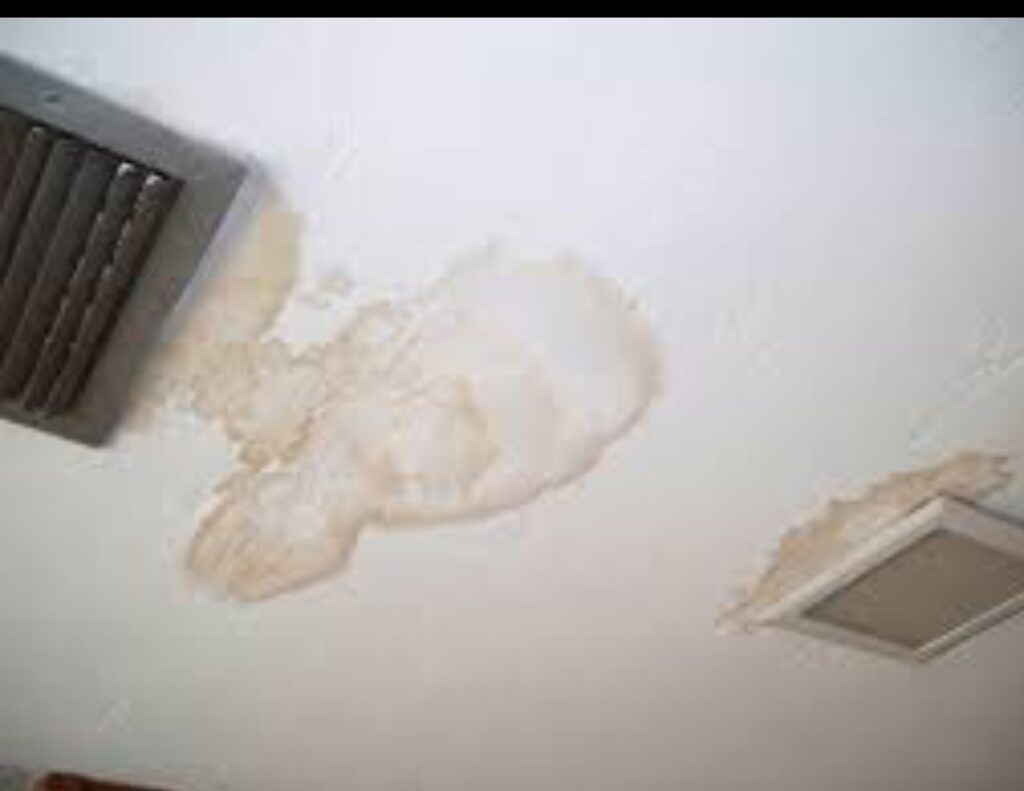
How Mold Spreads Through HVAC Systems – The Science Explained Simply for Homes in Deerfield Beach
Mold spreading through an HVAC system sounds complicated, but the science behind it is actually pretty simple. In Deerfield Beach homes, humidity, condensation, and airflow work together in ways that make HVAC systems one of the most common paths for mold to travel.
No scare tactics here—just a clear, easy-to-understand breakdown of how it really happens and why it’s so common in coastal South Florida homes.
The Three Things Mold Needs (And HVAC Systems Provide)
Mold only needs three basic ingredients:
- Moisture
- A food source (dust counts)
- Time
HVAC systems naturally supply all three.
- Air conditioners cool warm, humid air → moisture forms
- Dust builds up inside systems → food source
- Systems run daily → steady environment
When moisture doesn’t drain or dry properly, mold can begin growing without anyone noticing.
Where the Moisture Comes From
This is where most homeowners get surprised.
As your AC removes humidity from the air:
- Water forms on the evaporator coil
- It drips into the drain pan
- It exits through the drain line
If that process gets interrupted—by clogs, poor airflow, or insulation issues—water stays behind. Standing moisture is the trigger that allows mold to grow.
Why Mold Starts in Specific HVAC Areas
Mold doesn’t randomly coat every duct. It grows where conditions are right.
Air Handlers & Evaporator Coils
Cold surfaces attract condensation. Add dust, and mold has both water and food.
Drain Pans & Drain Lines
Clogged or slow drains allow water to sit. This is one of the most common mold triggers in Deerfield Beach homes.
Duct Insulation
Metal ducts resist mold, but the insulation inside or around them does not. Once insulation gets wet, mold spreads quickly.
Supply Vents
Condensation around vents can allow mold to form and re-enter the airflow.
How Mold Actually Spreads Through the Home
Here’s the science made simple.
Mold spreads through microscopic spores, not visible patches.
Once mold grows inside the HVAC system:
- Spores become airborne
- The blower fan moves them through ductwork
- Spores exit through vents
- They settle where moisture already exists
- New mold growth begins
That’s why mold may appear in multiple rooms—even if the original problem started near the AC.
Why You Often Smell Mold Before You See It
Mold releases compounds called MVOCs (microbial volatile organic compounds). These create that familiar musty smell.
Because HVAC systems circulate air:
- Odors travel quickly
- Smells may appear only when the AC runs
- Different rooms may smell stronger than others
Smell is often the first warning sign inspectors take seriously.
Common Myth: “Just Clean the Ducts”
From a science standpoint, duct cleaning alone rarely solves the problem.
Why?
- Cleaning removes surface buildup
- It doesn’t stop moisture
- It doesn’t dry wet insulation
If moisture remains, mold simply grows back—sometimes faster than before.
How Professionals Actually Stop Mold Spread
Experts focus on breaking mold’s growth cycle:
- Remove moisture (fix drains, airflow, humidity)
- Remove contaminated materials when needed
- Control airflow during cleanup
- Verify dryness after remediation
Once moisture is gone, mold can’t grow—or spread.
Why This Matters More in Deerfield Beach
Deerfield Beach homes face:
- High coastal humidity
- Year-round AC use
- Salt air contributing to condensation
These conditions don’t change the science—they just speed it up. Small HVAC moisture issues turn into mold problems faster here than in drier climates.
What Homeowners Can Do (Based on Science)
Simple, effective steps:
- Keep AC drain lines clear
- Replace filters regularly
- Address condensation immediately
- Schedule routine HVAC maintenance
- Don’t ignore musty smells
These actions interrupt mold’s ability to spread before it becomes a bigger issue.
Final Takeaway
Mold spreads through HVAC systems because moisture and airflow work together. In Deerfield Beach homes, understanding this simple science helps homeowners stay ahead of the problem.
Control moisture, and mold loses its advantage. When the HVAC system stays dry and well-maintained, it stops being a mold highway—and starts doing what it’s meant to do: keep your home comfortable and healthy.
