
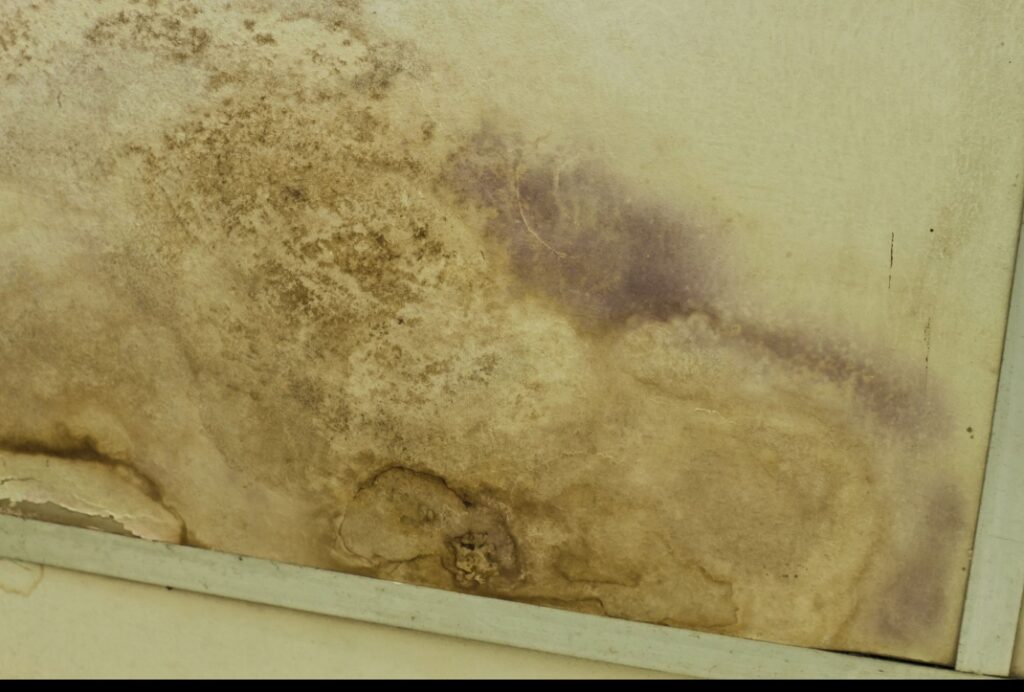
How Water Damage Turns Into Mold Problems – The Science Explained Simply for Homes in Plantation
Water damage doesn’t magically become mold—but the science behind how it does is straightforward. In Plantation homes, warm temperatures, high humidity, and common building materials shorten the timeline. When moisture sticks around, mold follows. No drama, no mystery—just physics and biology doing their thing.
Here’s the simple science homeowners need to know.
The Mold Timeline (Why Timing Matters)
Mold doesn’t need much time once materials get wet:
- 0–24 hours: Materials are wet; mold hasn’t established yet.
- 24–48 hours: Spores activate on damp surfaces.
- 3–7 days: Active growth commonly begins.
- Weeks later: Mold spreads behind walls, under floors, and into HVAC systems.
Plantation’s humidity often speeds this up, especially if drying is incomplete.
“Dry to the Touch” Isn’t Dry (Here’s Why)
Surfaces can feel dry while moisture remains inside materials.
- Drywall traps moisture in the core.
- Wood framing dries unevenly.
- Insulation holds water long after surfaces dry.
Mold grows where moisture stays, not where you can touch.
How Water Moves (And Takes Mold With It)
Water doesn’t sit politely where it lands. It wicks.
- Moisture travels through drywall and framing.
- It settles in cooler, low-airflow spaces.
- HVAC airflow moves spores once growth begins.
That’s why mold often appears far from the original leak—closets, ceiling corners, or near vents.
Common Water Sources That Start Mold (Quietly)
In Plantation homes, inspections most often trace mold back to:
- AC drain line clogs or condensation
- Roof leaks after storms
- Slow plumbing leaks behind cabinets
- Window or sliding door seepage
- Past water events that weren’t fully dried
Big floods get attention; small, persistent moisture causes most mold problems.
The HVAC Effect (Why Problems Spread Faster)
Once moisture elevates indoor humidity or reaches the AC system:
- Condensation feeds growth near coils and drain pans.
- Spores enter circulating air.
- Duct insulation (not metal) becomes a growth zone.
At that point, a localized water issue can become a whole-home problem.
Why Florida Makes This Worse
Same science—faster results.
- Warm air holds more moisture.
- High humidity slows drying.
- Constant AC use hides condensation issues.
In Plantation, moisture gets more time to linger—and mold gets a head start.
What Actually Stops Mold (Scientifically)
You don’t “kill” mold; you remove what it needs.
- Dry materials completely (verify, don’t guess).
- Fix the moisture source.
- Control indoor humidity (aim ~30–50%).
- Improve airflow where drying is slow.
- Inspect HVAC components after water events.
When moisture is gone, mold can’t grow. Period.
Early Clues Homeowners Miss
Before visible mold, inspectors often see:
- Musty odors days or weeks after a water event
- Warped baseboards or flooring
- Peeling paint near ceilings or windows
- Persistent condensation in the same spots
These are science-backed warnings, not cosmetic quirks.
The Plantation Takeaway
Water damage becomes mold because moisture stays longer than expected—especially in Florida’s climate. The science is simple: time + moisture = mold. Act fast, dry thoroughly, and verify conditions, and mold usually never gets the chance.
Final Takeaway
In Plantation homes, the smartest response to water damage isn’t waiting to see what happens—it’s assuming moisture needs confirmation, control, and follow-up. Do that within the first 48 hours, and you dramatically reduce the odds that a small water issue turns into a mold problem.
