
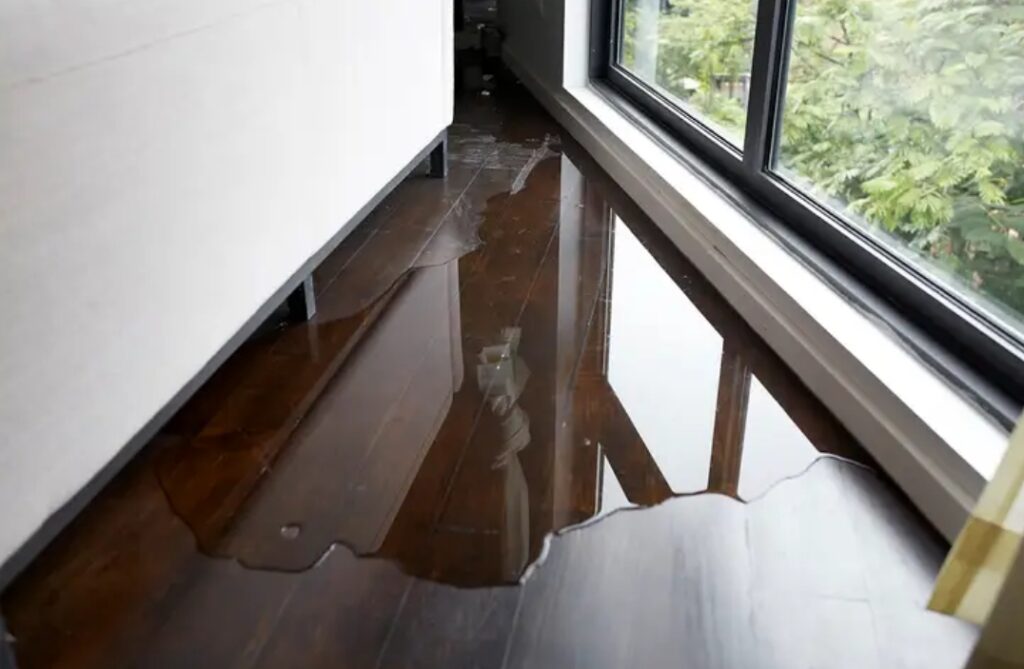
How Water Damage Turns Into Mold Problems – Facts vs Common Myths for Homes in Pembroke Pines
Water damage in Pembroke Pines homes is common—but the mold problems that follow are usually misunderstood. Homeowners either underestimate small leaks or assume mold appears instantly after any spill. Real inspections across South Florida show something calmer and clearer: mold growth follows predictable rules, and most costly outcomes come from believing the wrong myths.
Let’s separate facts from common myths using what inspectors actually see inside homes.
Myth #1: “If the leak is fixed, the problem is over”
Fact: Stopping the leak is step one—not the finish line.
Inspections frequently find:
- Materials still damp behind walls
- Insulation holding moisture long after surfaces dry
- Mold growth weeks or months after repairs
In Pembroke Pines’ humid climate, moisture often doesn’t dry on its own, even when the water source is gone.
Myth #2: “If it feels dry, it is dry”
Fact: Dry to the touch isn’t dry enough.
Inspectors regularly measure moisture inside:
- Drywall cores
- Wood framing
- Baseboards and cabinetry
Mold grows where moisture is trapped—not where you can feel it.
Myth #3: “Mold only happens after major flooding”
Fact: Most mold problems come from small, persistent moisture.
Real inspections most often trace mold back to:
- AC drain line clogs or condensation
- Slow plumbing leaks under sinks
- Roof leaks after storms
- Window or sliding door seepage
Big floods are obvious. Small leaks quietly feed mold.
Myth #4: “If I don’t see mold, there isn’t any”
Fact: Hidden mold is far more common than visible mold.
Inspectors in Pembroke Pines often find growth:
- Behind drywall
- Under cabinets
- Above ceilings
- Inside HVAC duct insulation
Visible mold is often the last sign, not the first.
Myth #5: “Cleaning or painting fixes water damage mold”
Fact: Cosmetic fixes don’t stop biological growth.
Inspections after DIY fixes often reveal:
- Mold continuing behind painted surfaces
- Moisture still present in materials
- Mold returning faster than before
Without drying and moisture control, mold simply waits.
Myth #6: “Water damage in one room can’t affect others”
Fact: Water and mold travel.
Inspectors routinely see:
- Moisture wicking through walls and framing
- Mold appearing far from the original leak
- HVAC airflow distributing spores
That’s how a bathroom leak can lead to mold in a bedroom or closet.
Myth #7: “If it hasn’t grown yet, it won’t”
Fact: Mold growth is a time issue, not a chance issue.
Typical inspection timelines show:
- 24–48 hours: mold spores activate on damp materials
- Several days: active growth begins
- Weeks later: spread into walls, ceilings, and HVAC systems
In Pembroke Pines, humidity often speeds this process up.
What Inspectors Know That Homeowners Often Don’t
Professionals focus less on the water event and more on:
- How wet materials stayed
- How long drying took
- Whether moisture was verified
- How humidity affected drying
That’s why two homes with the same leak can have very different outcomes.
Facts That Actually Prevent Mold After Water Damage
Experts consistently recommend:
- Drying within the first 24–48 hours
- Verifying dryness with moisture meters
- Removing materials that can’t dry fully
- Inspecting HVAC systems after water events
- Controlling indoor humidity during and after drying
These steps interrupt mold before it establishes.
The Pembroke Pines Reality
Pembroke Pines homes face:
- High humidity year-round
- Frequent storms
- Constant AC use
- Limited natural drying time
Here, water damage is less forgiving. Moisture that might dry elsewhere often lingers—and mold takes advantage.
Final Takeaway
Water damage turns into mold problems not because of bad luck, but because of misunderstood facts. In Pembroke Pines homes, mold follows moisture, time, and airflow—every time.
Ignore the myths. Focus on drying, verification, and humidity control. When homeowners do that early, water damage usually stays a temporary inconvenience—not a long-term mold problem.
