
Why Ignoring It Costs More: Mold Removal Insights for Homes in Pembroke Pines
In Pembroke Pines homes, mold rarely starts as a big, scary problem. It usually begins quietly—a small leak, a little condensation, a faint musty smell. The costly part isn’t the mold itself. It’s the decision to wait.
After real inspections and removal projects across South Florida, one pattern is crystal clear: the longer mold is ignored, the more expensive removal becomes. Here’s why that happens and what homeowners should understand before a small issue turns into a major project.
Mold Gets More Expensive the Longer It’s Fed
Mold doesn’t suddenly explode overnight—but it does expand steadily when moisture stays present.
What experts consistently see:
- Early-stage mold limited to one area
- Mold spreading behind walls and cabinets over time
- Growth reaching insulation, framing, or HVAC systems
Removal costs rise not because mold becomes “stronger,” but because more materials become contaminated.
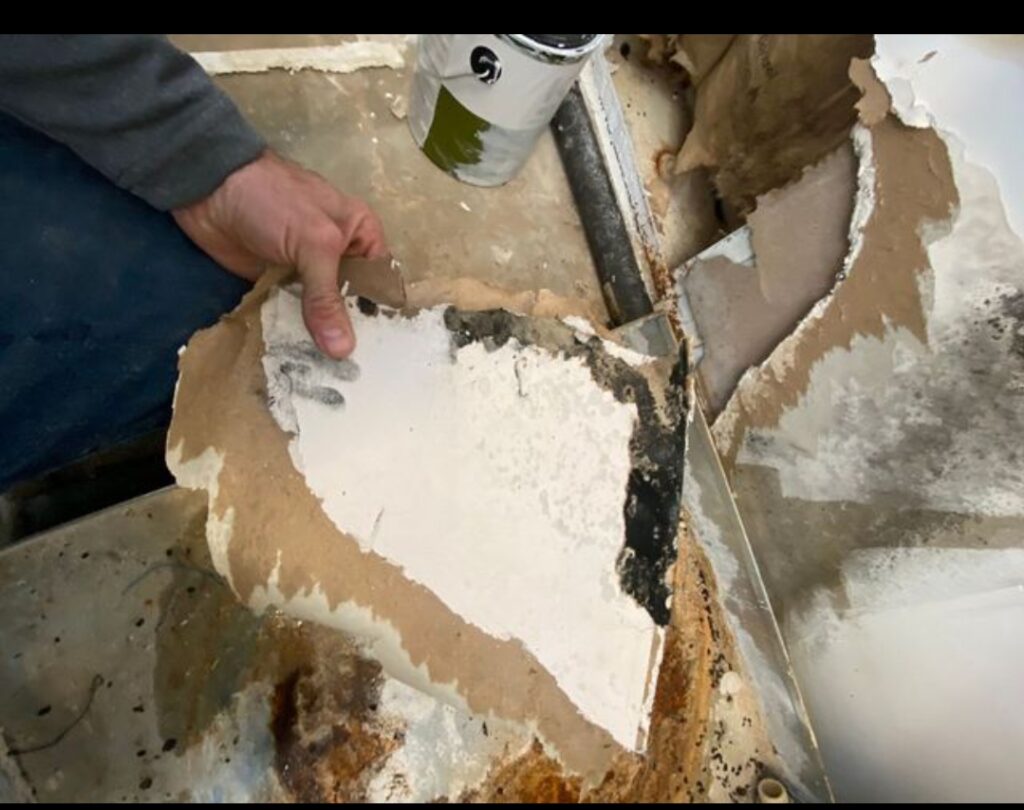
Hidden Mold Is the Real Cost Driver
One of the biggest cost multipliers in Pembroke Pines homes is hidden growth.
When mold is ignored, inspectors often find it:
- Behind drywall that looked fine
- Under kitchen and bathroom cabinets
- Inside wall cavities near slow leaks
- Beneath flooring or baseboards
Once mold spreads into hidden areas, removal shifts from simple cleaning to material removal and reconstruction.
Moisture Keeps Working Even When You’re Not Looking
Homeowners often assume a small leak or condensation issue “dried up.”
In reality, inspections frequently reveal:
- Dry surfaces with damp cores
- Insulation holding moisture for weeks
- Humidity continuing to feed growth
As long as moisture remains, mold keeps growing—and removal becomes more involved.
HVAC Involvement Raises the Stakes
One of the most expensive turning points happens when mold reaches the HVAC system.
Experts often find:
- Mold near air handlers or evaporator coils
- Damp duct insulation acting as a growth medium
- Spores circulating throughout the home
Once HVAC systems are involved, removal is no longer localized. Containment, filtration, and broader remediation are often required.
Small Fixes Turn Into Structural Work
Early mold removal often involves:
- Isolated cleanup
- Minor repairs
- Targeted material replacement
Delayed removal commonly requires:
- Drywall and insulation removal
- Cabinet or flooring replacement
- Extended drying and verification
- Larger remediation zones
The difference is timing—not severity.
DIY Delays Usually Increase Final Costs
Many Pembroke Pines homeowners try DIY cleaning first, hoping to avoid professional removal.
What inspections often show afterward:
- Mold roots still active behind surfaces
- Moisture problems untouched
- Faster regrowth and wider spread
DIY efforts rarely reduce total cost when mold keeps returning—they usually delay proper removal until the scope is larger.
Why Pembroke Pines Homes Are Especially Vulnerable
Local conditions speed everything up:
- High humidity year-round
- Frequent storms and rain
- Constant AC use
- Condensation around vents and ducts
Here, mold spreads faster and dries slower. Waiting costs more in this climate than homeowners expect.
Early Removal Looks Very Different From Late Removal
Inspection data consistently shows:
| Timing | Typical Removal Scope |
|---|---|
| Early | Limited area, minimal disruption |
| Delayed | Hidden spread, material removal |
| Ignored | HVAC involvement, structural work |
Mold removal isn’t expensive because it’s complicated—it’s expensive because it’s late.
Warning Signs That Mean “Don’t Wait”
Experts strongly advise action when homeowners notice:
- Mold returning after cleaning
- Musty odors that don’t go away
- Condensation around vents or ceilings
- Past water damage with no follow-up
- Allergy-like symptoms worsening at home
These signs often mean mold has already moved beyond the surface.
What Actually Keeps Removal Costs Down
Based on real projects, professionals recommend:
- Addressing moisture immediately
- Investigating musty smells early
- Inspecting HVAC systems when mold appears
- Removing affected materials before spread
- Verifying dryness before rebuilding
These steps stop mold while it’s still manageable.
The Pembroke Pines Reality
In Pembroke Pines, mold problems don’t usually start big—but they almost always end big if ignored. Homes don’t become expensive because of mold alone. They become expensive because moisture and growth were allowed to continue unchecked.
Final Takeaway
Mold removal costs more when it’s delayed—not because mold becomes dangerous overnight, but because it spreads quietly into places that require more work to fix. In Pembroke Pines homes, early action consistently means smaller removal areas, fewer repairs, and lower overall costs.
The smartest money move isn’t waiting to see what happens. It’s stopping mold while it’s still asking for attention—not demanding it.
