
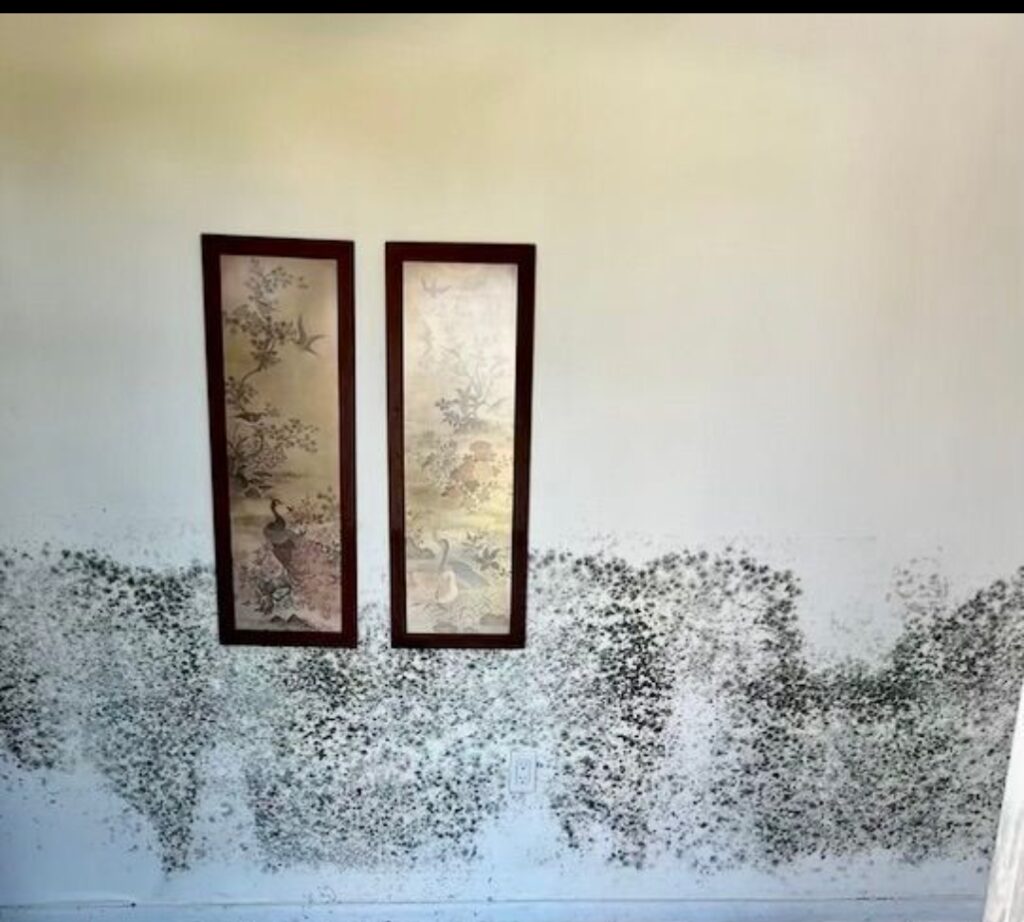
The Science Explained Simply: Mold Remediation Insights for Homes in Coral Springs
Mold remediation sounds technical—and it can be—but the science behind it is actually very simple. In Coral Springs homes, effective remediation isn’t about harsh chemicals or dramatic demolition. It’s about removing moisture, removing contaminated materials, and stopping spores from spreading. That’s it.
Here’s how mold remediation really works, explained clearly and without fear tactics.
Mold Is a Moisture Problem First (Biology Second)
Mold needs three things:
- Moisture
- A food source (drywall, wood, dust)
- Time
Remediation works by breaking this cycle—primarily by eliminating moisture. Without moisture, mold can’t grow or return. That’s why remediation always starts with finding and fixing the water source.
Why Cleaning Alone Isn’t Remediation
Cleaning removes stains. Remediation removes conditions.
Inspectors and remediation teams regularly find that:
- Mold roots remain inside porous materials
- Moisture is still present behind surfaces
- Growth returns after surface cleaning
Porous materials (drywall, insulation, cabinets) often can’t be “cleaned” once contaminated—they must be removed.
The Role of Containment (Stopping the Spread)
Mold spreads through microscopic spores. During remediation, the goal is to keep those spores from traveling.
That’s why professionals use:
- Plastic containment barriers
- Negative air pressure
- HEPA air scrubbers
This isn’t overkill—it’s basic airflow science. Control the air, control the spread.
Why Air Scrubbing Matters
HEPA filtration captures particles far smaller than household filters can.
In Coral Springs projects, air scrubbers help:
- Remove airborne spores
- Reduce cross-contamination
- Improve indoor air during remediation
Think of it as cleaning the air while the source is being removed.
Material Removal Is About Drying Speed
Why remove drywall or insulation at all?
Because:
- Wet porous materials dry slowly
- Mold grows faster than materials dry
- Trapped moisture keeps feeding growth
Removing contaminated materials allows framing and remaining structures to dry fully—ending the growth cycle.
Drying Is Measured, Not Guessed
One of the most misunderstood parts of remediation is drying.
Professionals:
- Use moisture meters to verify dryness
- Compare readings to unaffected areas
- Don’t rely on “it looks dry”
In humid Coral Springs homes, guessing leads to mold returning.
Why HVAC Systems Are Checked
HVAC systems can move spores throughout the home.
Remediation often includes:
- Inspecting air handlers and drain pans
- Addressing duct insulation issues
- Correcting condensation and drainage problems
If HVAC moisture isn’t handled, remediation won’t last.
Post-Remediation Verification (Why It Matters)
Verification confirms the science worked.
This may include:
- Visual confirmation
- Moisture checks
- Air testing when appropriate
It’s not about paperwork—it’s about confirming the environment no longer supports mold.
Common Myths About Mold Remediation
Myth: Stronger chemicals mean better remediation
Fact: Drying and removal matter far more than chemicals
Myth: Fogging kills mold permanently
Fact: Fogging doesn’t remove moisture or contaminated materials
Myth: Mold remediation always means tearing the house apart
Fact: Early remediation is often limited and targeted
Why Coral Springs Homes Need Precision
Coral Springs homes face:
- High humidity most of the year
- Frequent rain
- Constant AC use
- Slow natural drying
The science doesn’t change—but the margin for error is smaller. Proper remediation is about precision and timing.
What Actually Makes Remediation Successful Long-Term
Based on real-world results:
- Fix the moisture source first
- Remove contaminated porous materials
- Control airflow during work
- Verify dryness before rebuilding
- Address HVAC moisture issues
Skip any step, and mold often returns.
Final Takeaway
Mold remediation isn’t magic—it’s science. In Coral Springs homes, successful remediation comes down to controlling moisture, removing what can’t be dried, and preventing spore spread.
When the science is followed, mold doesn’t “come back.” When it’s ignored, it usually does. Understanding that difference is what keeps remediation effective, targeted, and lasting.
